
Introduction
Whether you're manufacturing dietary supplements, herbal teas, cosmetics, pharmaceuticals, or functional foods, purchasing herbal extracts in bulk can significantly reduce costs and improve supply chain efficiency. However, buying in large quantities also requires careful planning. Factors such as supplier reliability, product quality, pricing, minimum order quantities (MOQ), packaging, and international shipping all play a crucial role in ensuring a successful procurement process.
Unlike purchasing small retail quantities, bulk sourcing involves long-term partnerships and larger investments. Selecting the right supplier and understanding the buying process can help businesses avoid costly delays, inconsistent product quality, and regulatory issues.
This guide walks you through everything you need to know before purchasing herbal extracts in bulk, helping you make informed decisions and build a reliable supply chain.
Why Businesses Buy Herbal Extracts in Bulk
Bulk purchasing offers several advantages, particularly for manufacturers and distributors with ongoing production requirements.
Key benefits include:
Lower cost per kilogram
Consistent product availability
Better inventory management
Reduced shipping costs per unit
Long-term pricing agreements
Stronger supplier relationships
For businesses with regular production schedules, bulk buying ensures continuity while reducing the risk of supply shortages.
Determine Your Product Requirements First
Before requesting quotations, clearly define your product specifications. This helps suppliers provide accurate pricing and ensures you receive the right material.
Consider the following:
Botanical name of the herb
Required extract ratio (e.g., 10:1, 20:1)
Standardized active ingredient percentage
Powder or liquid extract
Solubility requirements
Food-grade or pharmaceutical-grade quality
Organic or conventional
Packaging preferences
Expected annual volume
Providing detailed specifications reduces misunderstandings and speeds up the procurement process.
Understanding Minimum Order Quantity (MOQ)
One of the first questions buyers ask is about MOQ.
A Minimum Order Quantity (MOQ) is the smallest quantity a supplier is willing to manufacture or supply in a single order.
MOQs vary depending on:
Type of herbal extract
Manufacturing process
Packaging requirements
Availability of raw materials
Customization needs
While some suppliers accommodate smaller trial orders, larger quantities often unlock better pricing and production efficiencies.
If you're launching a new product, discuss sample quantities or pilot orders before committing to full-scale purchases.
What Influences Bulk Herbal Extract Pricing?
Many buyers assume that price is determined solely by weight, but several factors influence the final cost of herbal extracts.
1. Raw Material Availability
Seasonal herbs or plants grown in limited regions may cost more due to restricted supply.
2. Extraction Method
Advanced extraction technologies that preserve active compounds often require additional processing, increasing production costs.
3. Standardization
Extracts standardized to specific active compounds generally involve more testing and quality control, making them more expensive than non-standardized extracts.
4. Organic Certification
Certified organic herbal extracts typically cost more because of certification, traceability, and specialized farming practices.
5. Order Volume
Larger orders often qualify for volume discounts and more competitive pricing.
6. Packaging Requirements
Custom packaging, private labeling, or specialized export packaging may affect overall costs.
Never Buy Based on Price Alone
Although competitive pricing is important, choosing the lowest-cost supplier can lead to unexpected problems.
Very low prices may indicate:
Inferior raw materials
Low active ingredient content
Poor manufacturing controls
Limited laboratory testing
Inconsistent product quality
Lack of export experience
Instead, evaluate suppliers based on the overall value they provide, including quality assurance, documentation, technical support, and long-term reliability.
Packaging Options for Bulk Herbal Extracts
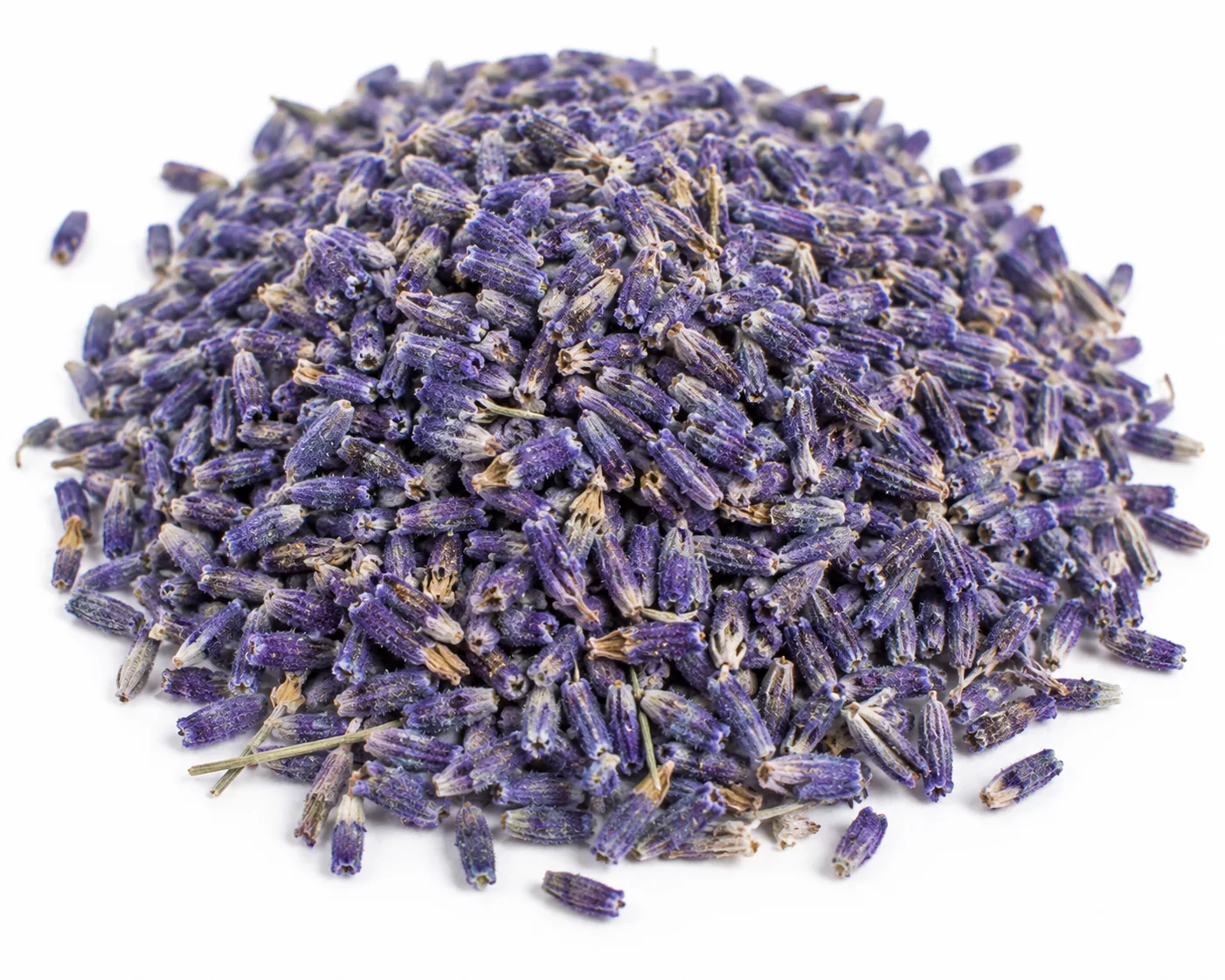
Proper packaging protects herbal extracts during storage and international transportation.
Common bulk packaging options include:
Food-grade polyethylene bags
Aluminum foil liners
Fiber drums
HDPE containers
Vacuum-sealed bags
Moisture-resistant packaging
Packaging should preserve product quality while meeting international shipping requirements.
For sensitive extracts, suppliers may recommend additional protective packaging to maintain stability throughout transit.
Storage Recommendations
Even the highest-quality herbal extracts can deteriorate if stored improperly.
To maximize shelf life:
Store in a cool, dry place.
Keep containers tightly sealed.
Protect products from direct sunlight.
Avoid excessive humidity.
Follow recommended storage temperatures provided by the supplier.
Proper storage helps maintain product potency and minimizes the risk of contamination.
Essential Documents Buyers Should Request
Before confirming a bulk order, ask your supplier for supporting documentation.
Important documents include:
Certificate of Analysis (COA)
Product Specification Sheet
Safety Data Sheet (SDS/MSDS)
Organic Certification (if applicable)
GMP or ISO Certifications
Product Data Sheet
Country of Origin information
These documents support product quality verification and facilitate customs clearance in many countries.
Shipping and Export Considerations
International buyers should ensure their supplier has experience managing export logistics.
Discuss topics such as:
Shipping methods (Air, Sea)
Incoterms (FOB, CIF, EXW, DDP)
Export documentation
Customs requirements
Transit times
Insurance options
Working with an experienced exporter can significantly reduce delays and improve supply chain reliability.
Common Mistakes Bulk Buyers Should Avoid
Many first-time importers make avoidable purchasing mistakes.
Some of the most common include:
Choosing the Cheapest Supplier
Price should never outweigh quality and reliability.
Skipping Product Samples
Always evaluate samples before placing large production orders.
Ignoring Quality Documentation
Request certifications and laboratory reports for every batch.
Underestimating Lead Times
Manufacturing and shipping schedules should be considered when planning inventory.
Not Clarifying Product Specifications
Clearly define extract ratios, active compounds, and packaging requirements before production begins.
Questions to Ask Before Placing a Bulk Order
Before finalizing your supplier, consider asking:
What is your standard MOQ?
Can you provide recent Certificates of Analysis?
Are your products tested by accredited laboratories?
What certifications do you hold?
What are your lead times?
Can you customize packaging?
What Incoterms do you offer?
How do you ensure batch consistency?
The answers to these questions provide valuable insight into the supplier's capabilities and professionalism.
Why Businesses Partner with Damodarr for Bulk Herbal Extracts
At Damodarr, we understand that bulk ingredient sourcing is about more than fulfilling purchase orders—it requires dependable quality, transparent communication, and a reliable supply chain.
Our team supports manufacturers, distributors, and importers by providing:
High-quality herbal extracts sourced from trusted botanical suppliers.
Consistent manufacturing and quality control processes.
Flexible packaging solutions for international shipments.
Comprehensive documentation, including Certificates of Analysis and technical specifications.
Export-ready logistics support for global markets.
Responsive customer service throughout the procurement process.
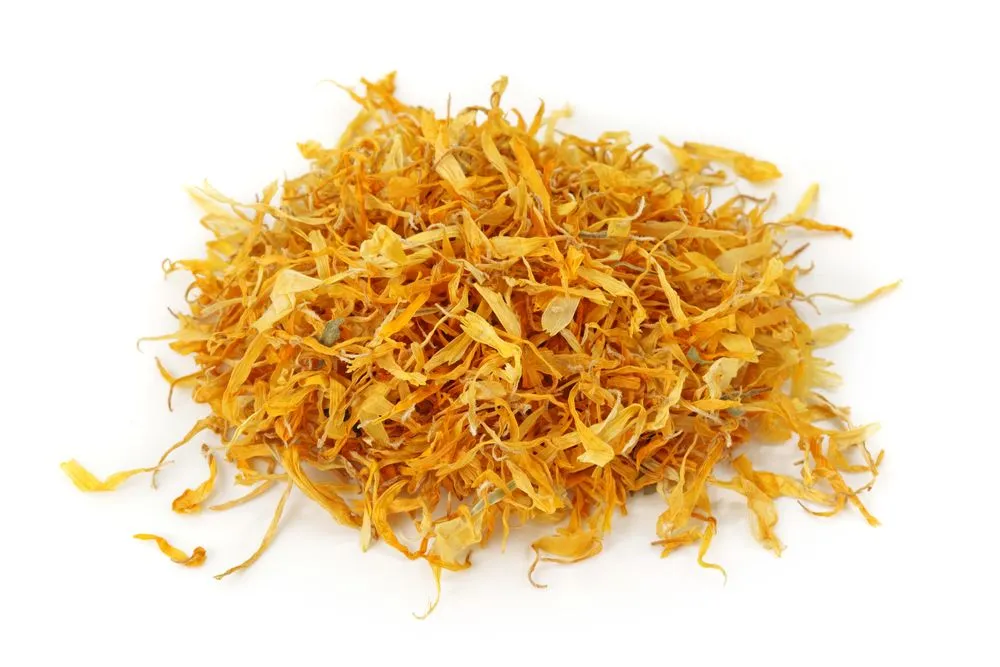
Whether you're sourcing ingredients for a new product launch or managing ongoing production, we work to simplify the bulk buying process while maintaining the quality standards expected by international buyers.
Building Long-Term Supplier Partnerships
Successful bulk purchasing isn't just about securing a single shipment—it involves establishing a reliable relationship with a supplier who understands your business.
Long-term partnerships can provide:
Stable pricing agreements
Priority production scheduling
Improved inventory planning
Consistent product quality
Faster communication
Collaborative product development opportunities
Choosing a supplier committed to long-term collaboration can strengthen your supply chain and support future business growth.
Conclusion
Bulk purchasing herbal extracts offers significant commercial advantages when approached strategically. By understanding product specifications, evaluating suppliers carefully, requesting comprehensive documentation, and planning logistics effectively, businesses can reduce procurement risks while ensuring consistent product quality.
Rather than focusing solely on price, buyers should prioritize suppliers with proven manufacturing expertise, strong quality systems, and international export experience.
At Damodarr, we combine quality-focused sourcing, technical support, and global logistics expertise to help businesses confidently procure herbal extracts in bulk. Our goal is to build lasting partnerships that support reliable supply chains and sustainable growth for customers worldwide.
Frequently Asked Questions
What is the typical MOQ for bulk herbal extracts?
MOQ varies depending on the product, extraction process, and packaging requirements. Some suppliers offer trial quantities, while others specialize in large-scale commercial orders.
What documents should I request before importing herbal extracts?
Request a Certificate of Analysis (COA), Product Specification Sheet, Safety Data Sheet (SDS/MSDS), quality certifications (such as GMP or ISO), and any applicable organic certifications.
How are herbal extracts packaged for export?
Bulk herbal extracts are commonly packed in food-grade polyethylene bags with aluminum liners, fiber drums, HDPE containers, or vacuum-sealed packaging to protect product quality during transportation.
How can I ensure consistent quality in bulk orders?
Choose suppliers with robust quality management systems, batch testing, traceability, and comprehensive documentation. Reviewing samples before placing large orders is also recommended.
Why choose Damodarr as a bulk herbal extract supplier?
Damodarr combines premium botanical sourcing, rigorous quality control, export-ready documentation, flexible packaging options, and global logistics support to help businesses source herbal extracts with confidence.