
Introduction
As consumer demand for healthy snacks, functional foods, breakfast cereals, bakery products, and natural ingredients continues to rise, businesses are increasingly turning to bulk dehydrated fruit suppliers for reliable, year-round sourcing. Dehydrated fruits offer extended shelf life, reduced transportation costs, and consistent quality, making them an ideal ingredient for manufacturers and distributors.
Whether you're a food processor, bakery, cereal manufacturer, confectionery brand, private-label business, or importer, buying dehydrated fruits in bulk can improve operational efficiency and reduce procurement costs. However, selecting the right supplier involves much more than comparing prices. Quality standards, food safety certifications, packaging options, and logistics all play a significant role in building a dependable supply chain.
This guide explains everything businesses need to know about purchasing dehydrated fruits in bulk—from understanding product specifications to evaluating suppliers and optimizing procurement costs.
Why Businesses Buy Dehydrated Fruits in Bulk
Bulk purchasing has become the preferred sourcing strategy for commercial food manufacturers because it offers both economic and operational advantages.
Key benefits include:
Lower cost per kilogram
Consistent product availability
Reduced shipping costs
Improved inventory management
Better production planning
Long-term supplier relationships
Stable pricing agreements
For companies with ongoing production requirements, buying in bulk helps ensure a continuous supply of ingredients while improving overall procurement efficiency.
Industries That Use Bulk Dehydrated Fruits
Dehydrated fruits are used across a wide range of industries due to their versatility and long shelf life.
Bakery Industry
Bakeries incorporate dehydrated fruits into:
Cakes
Muffins
Cookies
Fruit breads
Pastries
Energy bars
The low moisture content of dehydrated fruits helps maintain product stability while delivering concentrated fruit flavour.
Breakfast Cereals & Granola
Breakfast cereal manufacturers use dehydrated fruits such as raisins, apples, strawberries, blueberries, bananas, and cranberries to enhance taste, texture, and nutritional value.
Snack Food Manufacturers
Healthy snack brands increasingly use dehydrated fruits as standalone snacks or as ingredients in trail mixes and fruit blends.
Popular options include:
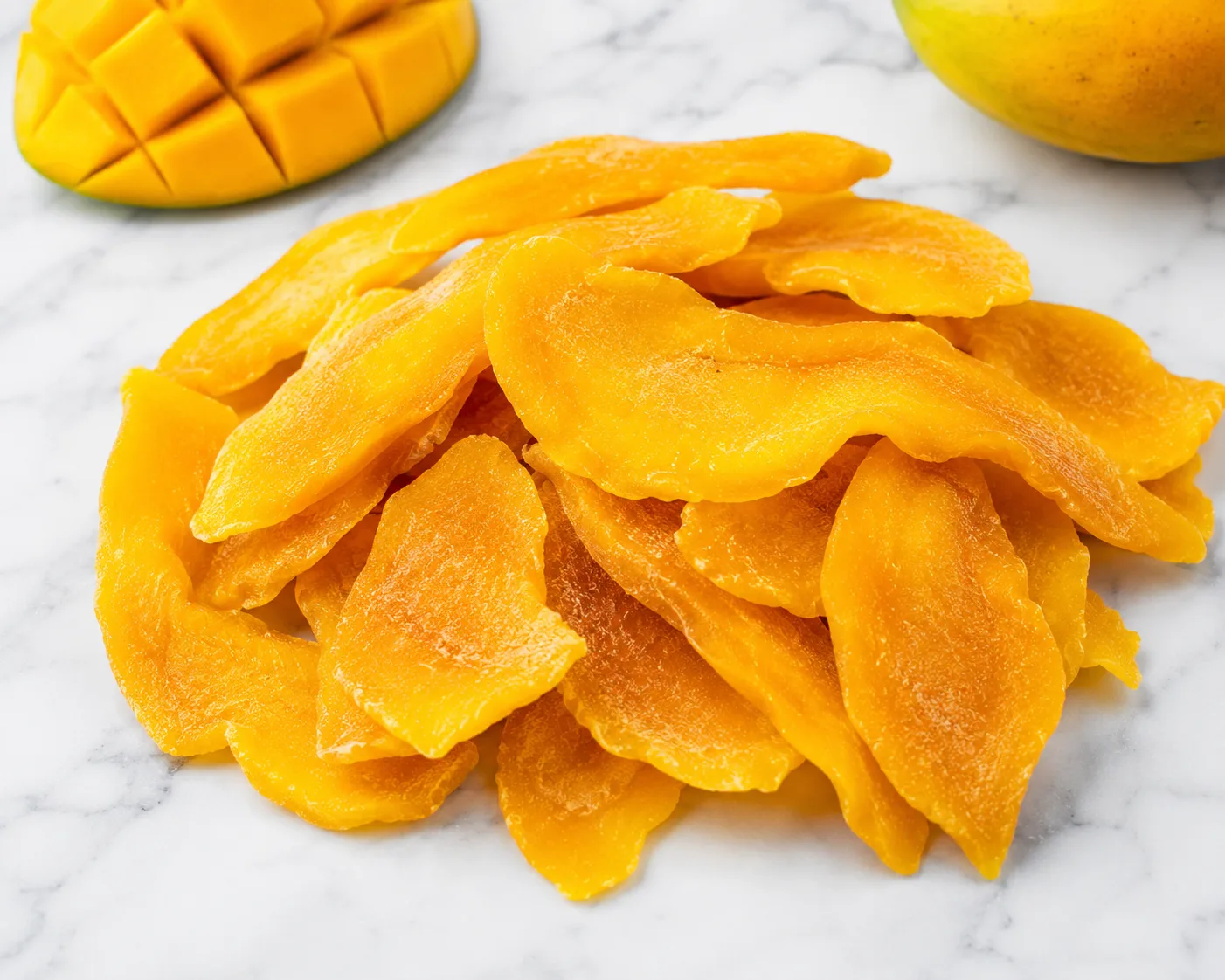
Mango
Pineapple
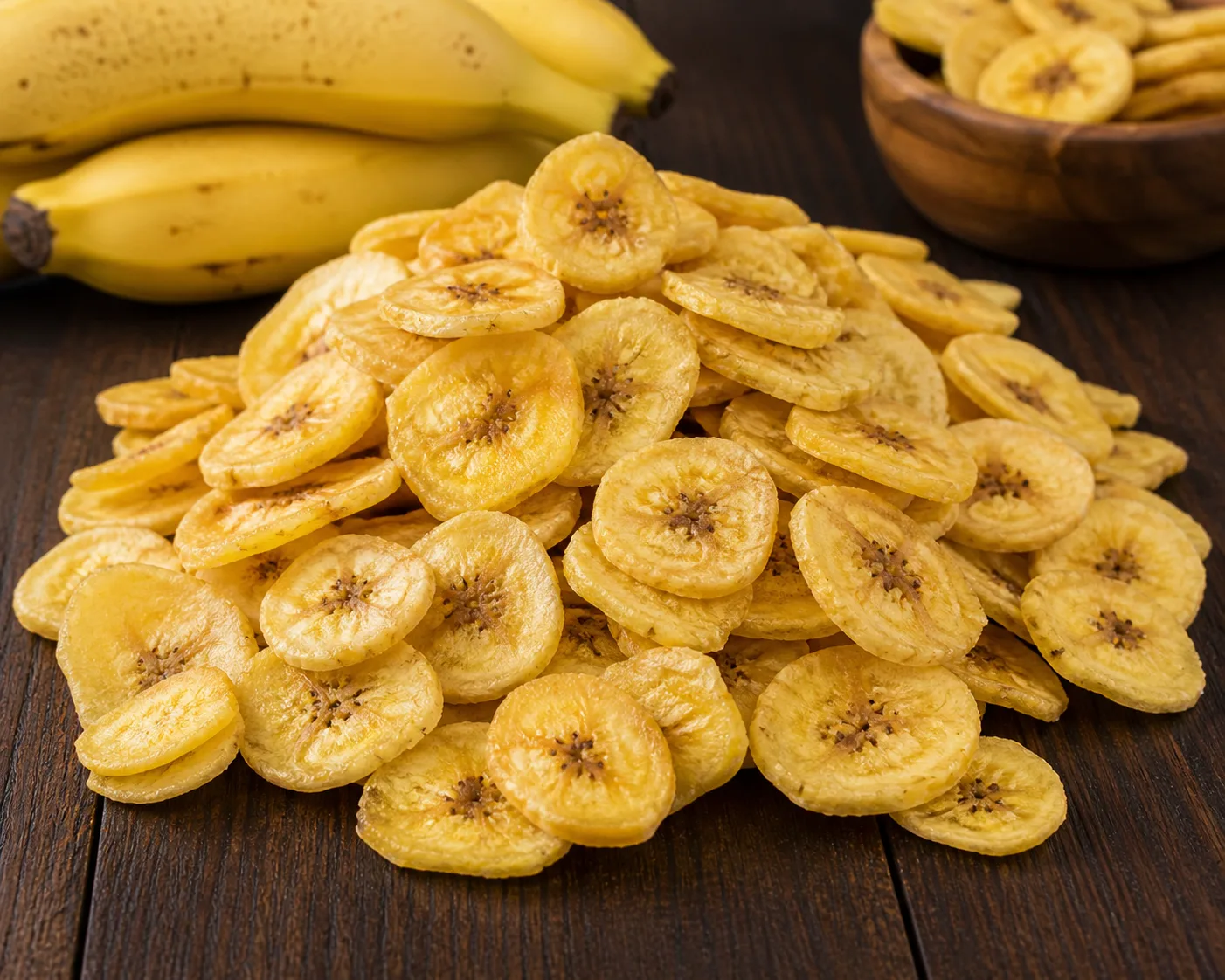
Banana
Apple
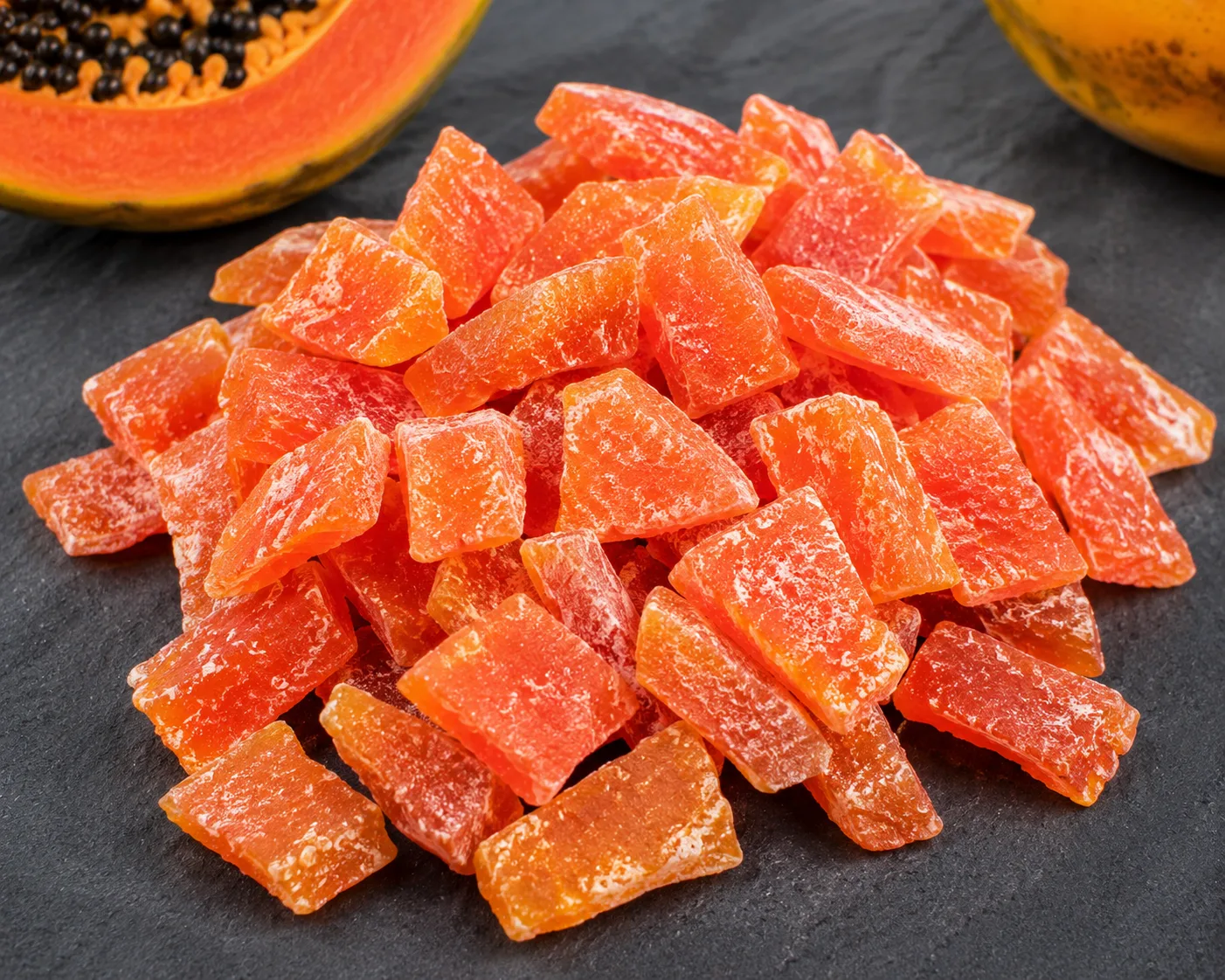
Papaya
Coconut
Kiwi
Dairy Industry
Yogurt manufacturers and dessert producers add dehydrated fruits to improve flavour, appearance, and consumer appeal.
Confectionery Industry
Chocolate manufacturers and confectionery companies use dried fruits in premium products and seasonal gift ranges.
Nutraceutical & Functional Foods
Many wellness products incorporate dehydrated fruit powders and pieces to provide natural flavours and nutritional benefits.
Popular Bulk Dehydrated Fruits
Reliable suppliers generally offer a wide variety of products to meet different manufacturing requirements.
Popular wholesale products include:
Dehydrated Mango
Dehydrated Apple
Dehydrated Banana
Dehydrated Pineapple
Dehydrated Papaya
Dehydrated Coconut
Dehydrated Strawberry
Dehydrated Blueberries
Raisins
Mixed Fruit Blends
Working with suppliers offering multiple fruit varieties simplifies procurement and reduces the need for multiple vendors.
What to Look for in Bulk Dehydrated Fruit Suppliers
Choosing the right supplier requires evaluating several critical factors beyond pricing.
Product Quality
Premium dehydrated fruits should have:
Uniform size
Consistent colour
Natural aroma
Proper moisture levels
Minimal broken pieces
No foreign matter
Always request product samples before placing a commercial order.
Food Safety Certifications
Food-grade ingredients should be supported by internationally recognised certifications.
Look for suppliers with:
GMP
HACCP
ISO Certification
Organic Certification (where applicable)
Certificate of Analysis (COA)
These certifications demonstrate the supplier's commitment to food safety and quality.
Manufacturing Capability
Evaluate suppliers based on:
Production capacity
Modern processing facilities
Batch traceability
Quality inspection systems
Automated sorting equipment
Suppliers with advanced manufacturing capabilities typically provide more consistent products.

Product Availability
A reliable supplier should maintain inventory levels that support year-round production.
Discuss:
Seasonal availability
Production schedules
Inventory planning
Lead times
Supply continuity
Consistent availability helps avoid production disruptions.
Understanding Minimum Order Quantities (MOQ)
Minimum Order Quantity (MOQ) refers to the smallest quantity a supplier is willing to sell.
MOQ depends on:
Product type
Packaging
Export destination
Manufacturing process
Some suppliers offer trial orders for new customers, while larger commercial buyers may qualify for discounted pricing through higher-volume purchases.
Clarifying MOQ requirements early helps avoid misunderstandings during procurement.
Packaging Options for Wholesale Orders
Proper packaging protects dehydrated fruits throughout storage and transportation.
Common wholesale packaging options include:
Food-grade polyethylene bags
Aluminium foil liners
Fibre drums
Corrugated export cartons
Vacuum-sealed packaging
Bulk pallet shipments
Businesses requiring retail-ready products may also request custom packaging and private-label solutions.
Storage Best Practices
Proper storage preserves product quality and extends shelf life.
Dehydrated fruits should be stored:
In cool, dry environments
Away from direct sunlight
In moisture-resistant packaging
At stable temperatures
In clean warehouse conditions
Following recommended storage practices minimizes spoilage and maintains product quality.
Factors That Affect Wholesale Pricing
Wholesale dehydrated fruit prices vary depending on several factors.
These include:
Fruit Variety
Some fruits are naturally more expensive due to cultivation costs or limited availability.
Quality Grade
Higher-quality products command premium prices because of better appearance and consistency.
Processing Method
Different drying techniques may influence both quality and cost.
Order Volume
Larger purchases generally receive more competitive pricing.
Packaging Requirements
Specialized packaging or private-label options can increase costs.
Shipping Destination
International freight and customs charges affect total landed costs.
Rather than comparing suppliers solely on price, businesses should evaluate the overall value they receive.
Common Buying Mistakes
Many procurement challenges can be avoided through careful supplier evaluation.
Avoid these common mistakes:
Buying Solely on Price
The lowest quotation may result in inconsistent quality or hidden costs.
Ignoring Documentation
Always request Certificates of Analysis and product specifications.
Not Testing Samples
Product samples help verify suitability before commercial production.
Choosing Multiple Suppliers Without a Strategy
Managing numerous vendors increases procurement complexity and logistics costs.
Overlooking Export Expertise
International buyers should work with suppliers experienced in global shipping and documentation.
Why Businesses Choose Damodarr for Bulk Dehydrated Fruits
At Damodarr, we understand that food manufacturers require ingredients they can trust. Our dehydrated fruits are produced using carefully selected raw materials and modern processing methods to ensure consistent quality and food safety.
Businesses choose Damodarr because we provide:
A comprehensive portfolio of premium dehydrated fruits.
Consistent product quality backed by strict quality control.
Batch-specific Certificates of Analysis.
Flexible wholesale packaging solutions.
Export-ready documentation.
Reliable global logistics.
Responsive customer support.
Long-term sourcing partnerships.
Whether you're producing bakery products, cereals, confectionery, dairy products, snacks, or nutritional foods, we help simplify your procurement process with dependable wholesale solutions.
Questions to Ask Before Buying in Bulk
Before selecting a supplier, ask:
What is your minimum order quantity?
Can you provide recent laboratory reports?
Which certifications do you maintain?
How are products packaged?
Which countries do you export to?
Can you support customized packaging?
What are your lead times?
How do you ensure batch consistency?
The answers help buyers identify suppliers capable of supporting long-term growth.
Conclusion
Buying dehydrated fruits in bulk is one of the most effective ways for food manufacturers to improve efficiency, reduce procurement costs, and maintain consistent ingredient availability. However, successful sourcing depends on selecting suppliers that prioritize quality, food safety, certifications, reliable logistics, and customer support.
At Damodarr, we combine premium dehydrated fruit products with rigorous quality assurance, flexible packaging, and international export expertise to help businesses source ingredients with confidence. Whether you're expanding production or launching a new product line, we're committed to becoming your trusted wholesale partner.
Frequently Asked Questions
Why should businesses buy dehydrated fruits in bulk?
Bulk purchasing reduces costs, improves inventory management, ensures a consistent supply of ingredients, and strengthens supplier relationships.
What industries use dehydrated fruits?
Dehydrated fruits are widely used in bakeries, breakfast cereals, snack foods, dairy products, confectionery, nutraceuticals, and food manufacturing.
What certifications should bulk dehydrated fruit suppliers have?
Reliable suppliers should provide GMP, HACCP, ISO Certification, Organic Certification (if applicable), and batch-specific Certificates of Analysis.
How can I evaluate a bulk dehydrated fruit supplier?
Assess product quality, certifications, production capacity, packaging, export experience, customer support, and laboratory testing before placing an order.
Why choose Damodarr for wholesale dehydrated fruits?
Damodarr offers premium dehydrated fruits, strict quality assurance, export-ready documentation, flexible packaging, and dependable global logistics, making us a trusted sourcing partner for manufacturers worldwide.