
Introduction
The global food industry relies heavily on dehydrated fruits for use in bakery products, breakfast cereals, confectionery, dairy, snack foods, nutraceuticals, and functional food manufacturing. As demand continues to grow, so does the need for suppliers that consistently deliver safe, high-quality ingredients.
For importers, food manufacturers, distributors, and private-label brands, selecting a supplier isn't simply about price. Product quality directly impacts manufacturing efficiency, product consistency, consumer satisfaction, and regulatory compliance.
This is why understanding dehydrated fruit quality standards is essential before choosing a wholesale supplier.
From food safety certifications and laboratory testing to moisture content and packaging, several factors determine whether dehydrated fruits meet international commercial standards.
In this guide, we'll explain the most important quality parameters every buyer should evaluate and how working with experienced suppliers like Damodarr helps ensure long-term sourcing confidence.
Why Quality Standards Matter
Poor-quality dehydrated fruits can affect every stage of food production.
Common issues include:
Inconsistent flavour
Colour variation
Excess moisture
Reduced shelf life
Microbial contamination
Production delays
Product recalls
Customer complaints
High-quality ingredients help manufacturers maintain consistency while protecting their brand reputation.
What Defines High-Quality Dehydrated Fruits?
Quality isn't determined by appearance alone.
Professional food manufacturers evaluate multiple characteristics before approving ingredients.
Appearance
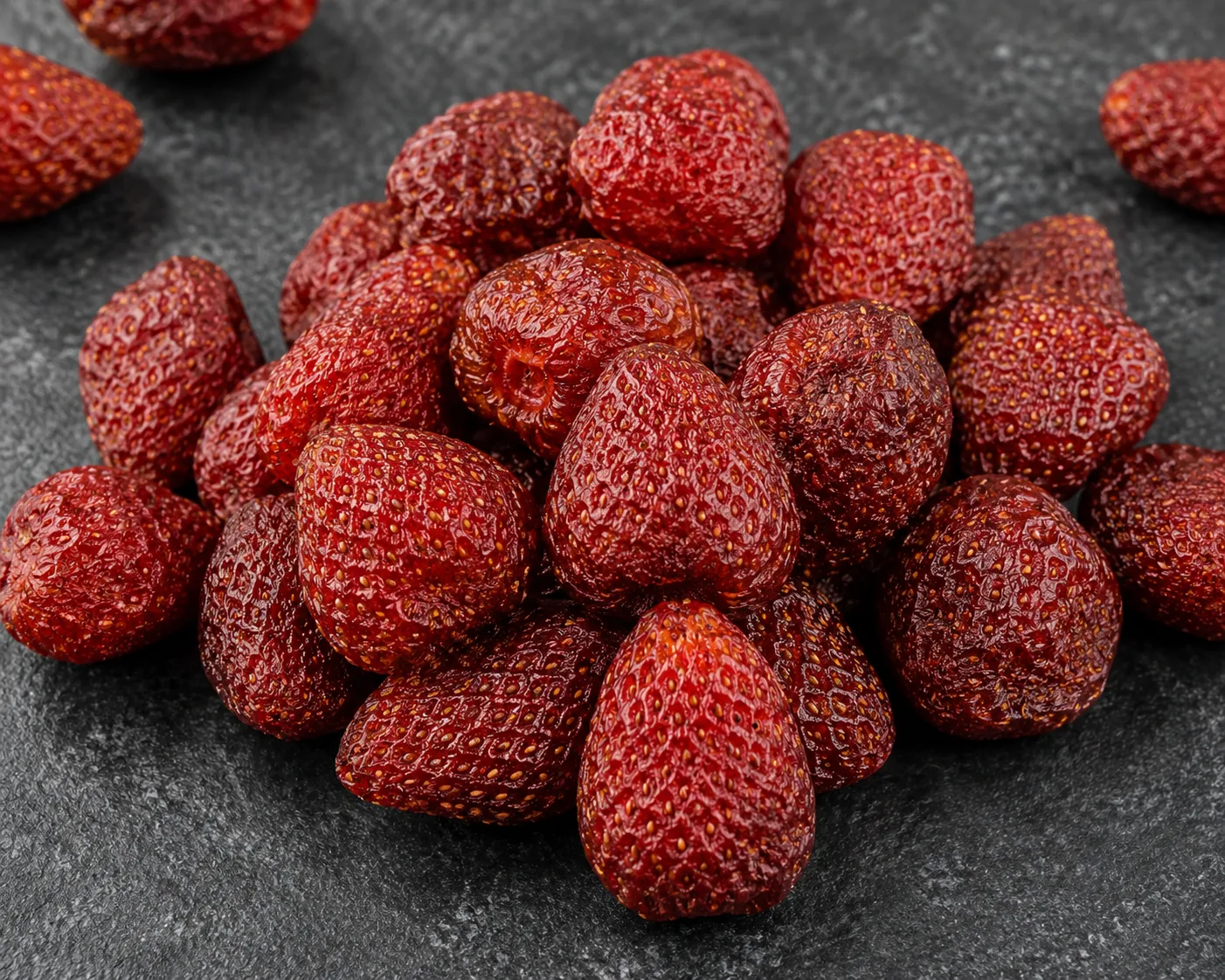
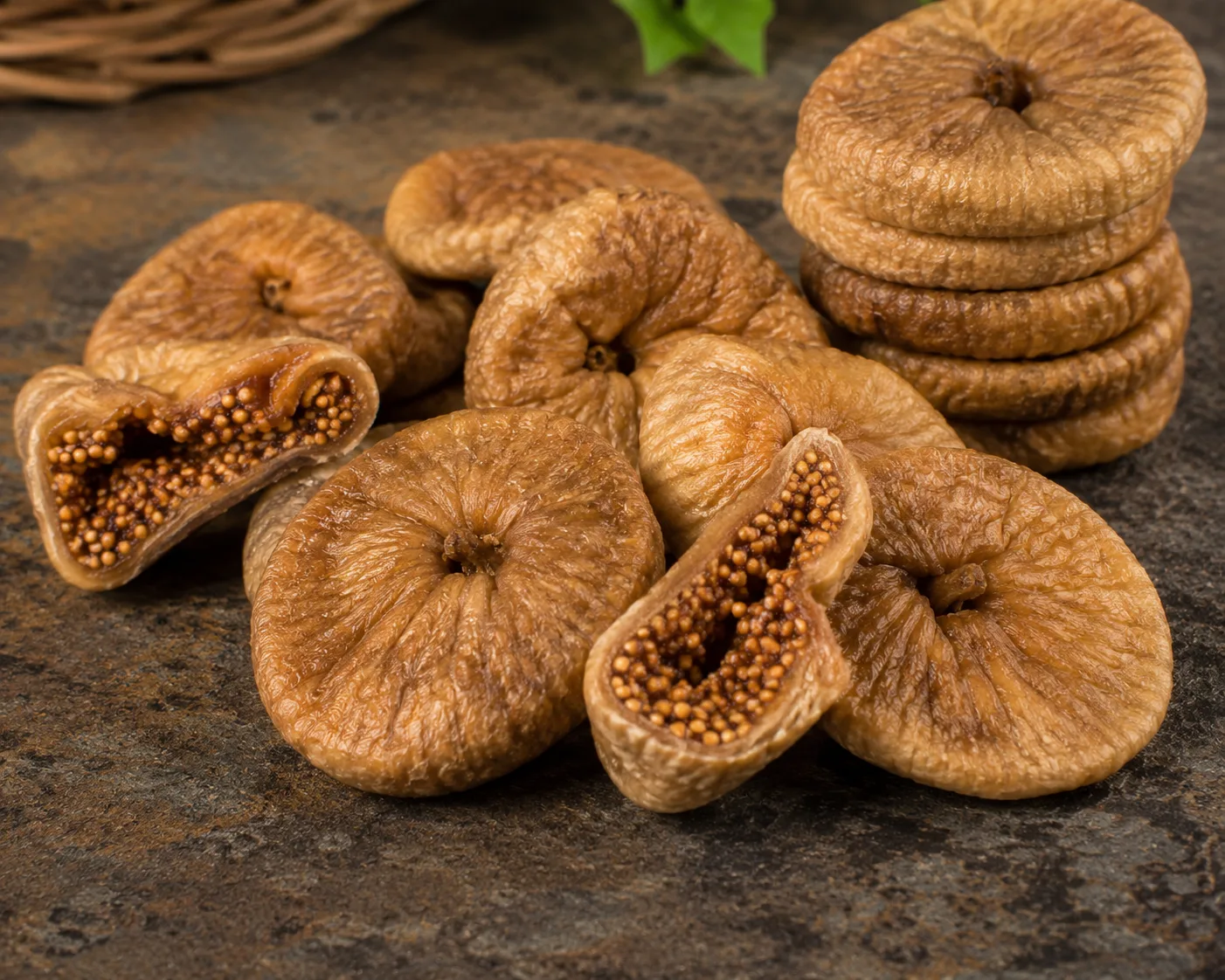
Premium dehydrated fruits should display:
Natural colour
Uniform shape
Consistent size
Minimal broken pieces
Clean surface
No foreign material
Uniform appearance improves the visual quality of finished food products.
Moisture Content
Moisture is one of the most important quality indicators.
Proper moisture levels help:
Prevent microbial growth
Extend shelf life
Maintain texture
Improve storage stability
Excess moisture increases the risk of spoilage, while over-drying may affect flavour and texture.
Taste & Aroma
Premium dehydrated fruits should retain much of their natural fruit flavour and aroma.
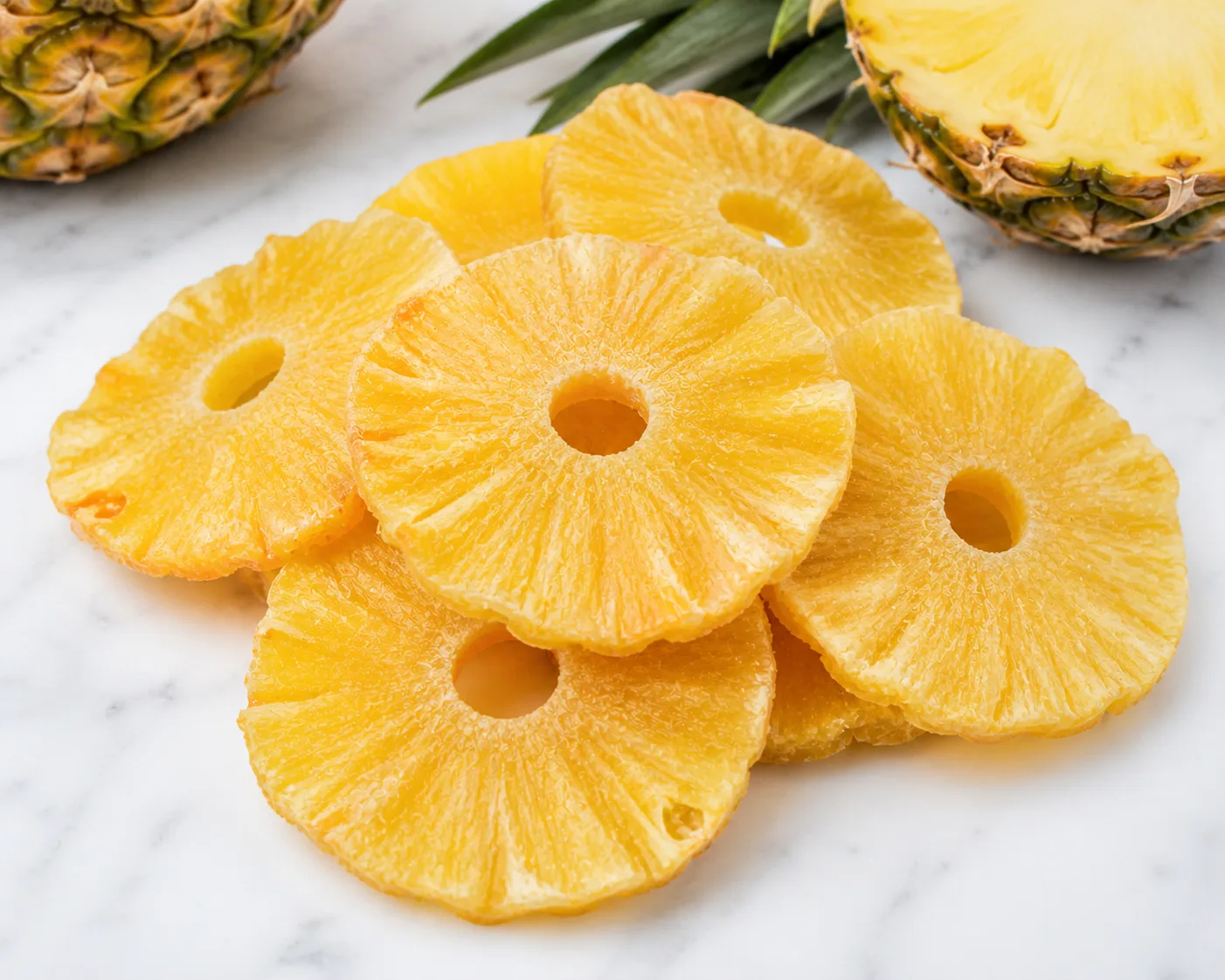
Buyers should evaluate:
Fresh taste
Characteristic fruit aroma
No burnt flavour
No fermentation odour
No off-notes
These characteristics reflect proper processing techniques.
Texture
Depending on the product, dehydrated fruits should maintain an appropriate texture that supports processing and final product performance.
Texture consistency is particularly important for:
Bakery products
Snack foods
Breakfast cereals
Dairy applications
Essential Food Safety Certifications
International buyers should always verify supplier certifications.
GMP (Good Manufacturing Practices)
GMP ensures products are manufactured under hygienic and controlled conditions.
This includes:
Facility cleanliness
Equipment maintenance
Personnel hygiene
Process control
Documentation
HACCP
Hazard Analysis and Critical Control Points (HACCP) is one of the most important food safety systems.
It identifies and controls risks throughout production, helping manufacturers maintain food safety standards.
ISO Certification
ISO-certified manufacturers follow internationally recognized quality management systems.
Benefits include:
Standardized production
Continuous improvement
Better documentation
Process consistency
Organic Certification
For certified organic products, suppliers should maintain recognized organic certifications that comply with destination market requirements.
Laboratory Testing Buyers Should Expect
Reliable dehydrated fruit suppliers conduct extensive laboratory testing before shipment.
Important tests include:
Microbiological Testing
Checks for harmful microorganisms including:
Yeast
Mould
Salmonella
E. coli
Total Plate Count
Food safety testing helps ensure products meet regulatory standards.
Moisture Analysis
Confirms products meet specified moisture requirements for stability and shelf life.
Heavy Metal Testing
Laboratories screen products for contaminants that may affect food safety and international compliance.
Pesticide Residue Testing
Particularly important for buyers sourcing fruits for regulated international markets.
Product Identity Verification
Confirms the botanical identity and authenticity of each product batch.
Certificate of Analysis (COA)
Every commercial shipment should include a Certificate of Analysis (COA).
A COA typically contains:
Batch number
Product name
Moisture content
Microbiological results
Appearance
Product specifications
Manufacturing date
Laboratory approval
Always review the COA before accepting shipments.
Importance of Traceability
Modern food manufacturing requires complete traceability.
Reliable suppliers should be able to identify:
Raw material source
Harvest date
Processing records
Batch numbers
Packaging date
Shipping documentation
Traceability improves transparency while simplifying quality investigations if needed.
Packaging Standards
Proper packaging protects dehydrated fruits from moisture, contamination, and physical damage.
Professional suppliers generally offer:
Food-grade polyethylene bags
Aluminium foil liners
Fibre drums
Corrugated cartons
Vacuum packaging
Export-grade pallets
Packaging should comply with international food safety requirements.
Storage Requirements
Even premium-quality products require proper storage.
Recommended storage conditions include:
Cool environment
Dry warehouse
Away from direct sunlight
Sealed packaging
Controlled humidity
Clean storage facilities
Following these practices helps preserve product quality throughout its shelf life.
Common Quality Problems Buyers Should Watch For
During supplier evaluation, inspect products for signs of poor quality.
Potential issues include:
Uneven Colour
May indicate inconsistent drying or raw material quality.
Excess Moisture
Increases spoilage risk.
Foreign Matter
Poor cleaning and sorting processes may introduce unwanted contaminants.
Broken Pieces
Excessive breakage may reduce product value and manufacturing performance.
Inconsistent Size
Variation affects processing efficiency, especially in bakery and cereal applications.
Questions to Ask Your Supplier
Before placing an order, ask:
Which quality certifications do you maintain?
Can you provide recent Certificates of Analysis?
What laboratory testing is performed?
How do you maintain traceability?
What food safety systems are in place?
How are products packaged?
What is your shelf life?
Can you provide product specifications?
Transparent suppliers willingly provide this information.
Why Businesses Trust Damodarr
At Damodarr, quality is integrated into every stage of our sourcing and manufacturing process. We understand that our customers rely on consistent ingredients to produce high-quality food products, so we maintain strict quality assurance protocols throughout production.
Businesses choose Damodarr because we provide:
Premium dehydrated fruits sourced from trusted growers.
Modern processing facilities with strict hygiene standards.
Comprehensive laboratory testing and quality inspections.
Batch-specific Certificates of Analysis.
Export-ready documentation.
Food-grade packaging solutions.
Reliable global logistics.
Dedicated customer support from inquiry to delivery.
Our commitment to quality enables manufacturers, distributors, and food brands to source ingredients with confidence while meeting international food safety expectations.
Future Trends in Food Quality
Consumer expectations continue to evolve, placing greater emphasis on transparency and food safety.
Emerging trends include:
Increased traceability
Clean-label ingredients
Sustainable sourcing
Digital quality monitoring
Enhanced laboratory testing
Greater regulatory compliance
Food safety automation
Businesses working with quality-focused suppliers will be better positioned to meet future market demands.
Conclusion
Understanding dehydrated fruit quality standards is essential for businesses that depend on reliable food ingredients. Evaluating certifications, laboratory testing, moisture levels, packaging, traceability, and supplier capabilities helps reduce procurement risks while supporting consistent manufacturing quality.
Rather than selecting suppliers based solely on price, businesses should prioritize quality systems that protect product performance and consumer trust.
At Damodarr, we combine premium dehydrated fruits with rigorous quality assurance, comprehensive laboratory testing, and international export expertise to help customers build dependable supply chains. Our commitment to food safety and consistency makes us a trusted wholesale partner for businesses worldwide.
Frequently Asked Questions
What quality standards should dehydrated fruits meet?
High-quality dehydrated fruits should have consistent colour, low moisture content, proper texture, food safety certifications, laboratory testing, and complete traceability.
Why is moisture content important?
Proper moisture levels help extend shelf life, prevent microbial growth, and maintain product quality during storage and transportation.
What certifications should dehydrated fruit suppliers have?
Reliable suppliers should maintain GMP, HACCP, ISO Certification, Organic Certification (where applicable), and provide Certificates of Analysis.
What is a Certificate of Analysis?
A Certificate of Analysis (COA) is a laboratory document confirming that each production batch meets agreed quality and safety specifications.
Why choose Damodarr for premium dehydrated fruits?
Damodarr supplies premium dehydrated fruits supported by strict quality assurance, laboratory testing, export-ready documentation, and reliable global logistics, helping manufacturers source ingredients with confidence.