
Introduction
Consumer demand for healthier, natural, and convenient food products has transformed the global food industry. From artisan bakeries and breakfast cereal brands to dairy manufacturers and snack producers, businesses are increasingly incorporating dehydrated fruits into their product formulations to improve flavour, texture, nutritional value, and shelf life.
Unlike fresh fruits, dehydrated fruits provide consistent quality throughout the year, require less storage space, reduce transportation costs, and significantly extend product shelf life. These advantages make them an ideal ingredient for large-scale food manufacturing.
Whether you're producing baked goods, granola, confectionery, dairy products, ready-to-eat snacks, or nutritional foods, selecting the right bulk dehydrated fruit supplier is essential for maintaining consistent product quality and efficient production.
This guide explains how dehydrated fruits are used across different food industries, what to consider when sourcing in bulk, and why businesses worldwide trust suppliers like Damodarr for premium dehydrated fruit ingredients.
Why Food Manufacturers Choose Dehydrated Fruits
Fresh fruits offer excellent flavour and nutrition, but they also present challenges such as short shelf life, seasonal availability, and transportation difficulties.
Dehydrated fruits solve many of these issues by offering:
Longer shelf life
Reduced storage requirements
Lower transportation costs
Consistent product quality
Year-round availability
Minimal food waste
Easy handling during production
Better inventory management
These advantages make dehydrated fruits an essential ingredient for commercial food production.
Industries That Use Bulk Dehydrated Fruits
Bakery Industry
The bakery sector is one of the largest consumers of dehydrated fruits.
Popular applications include:
Cakes
Muffins
Cookies
Fruit breads
Danish pastries
Croissants
Energy bars
Breakfast pastries
Common bakery ingredients include:
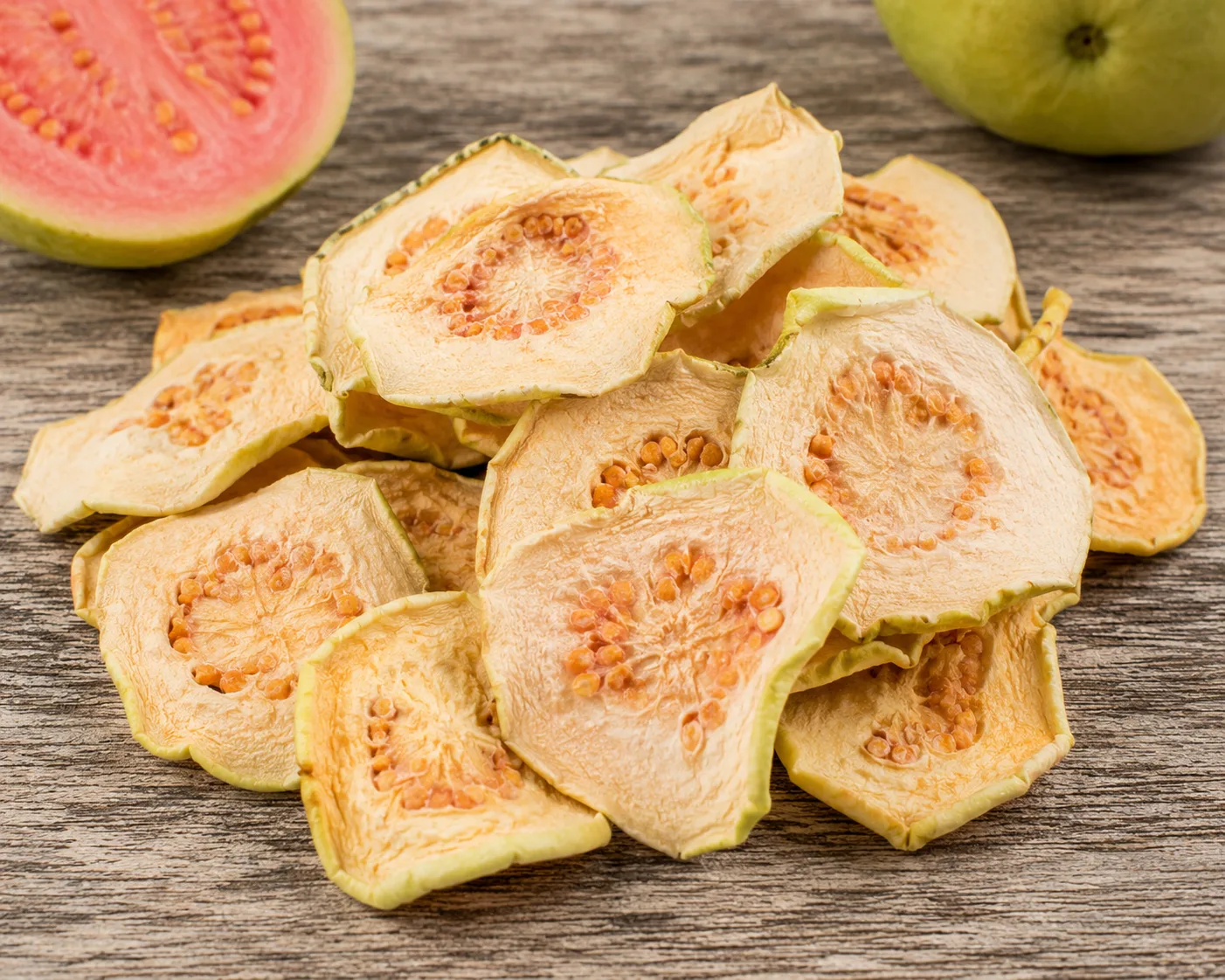
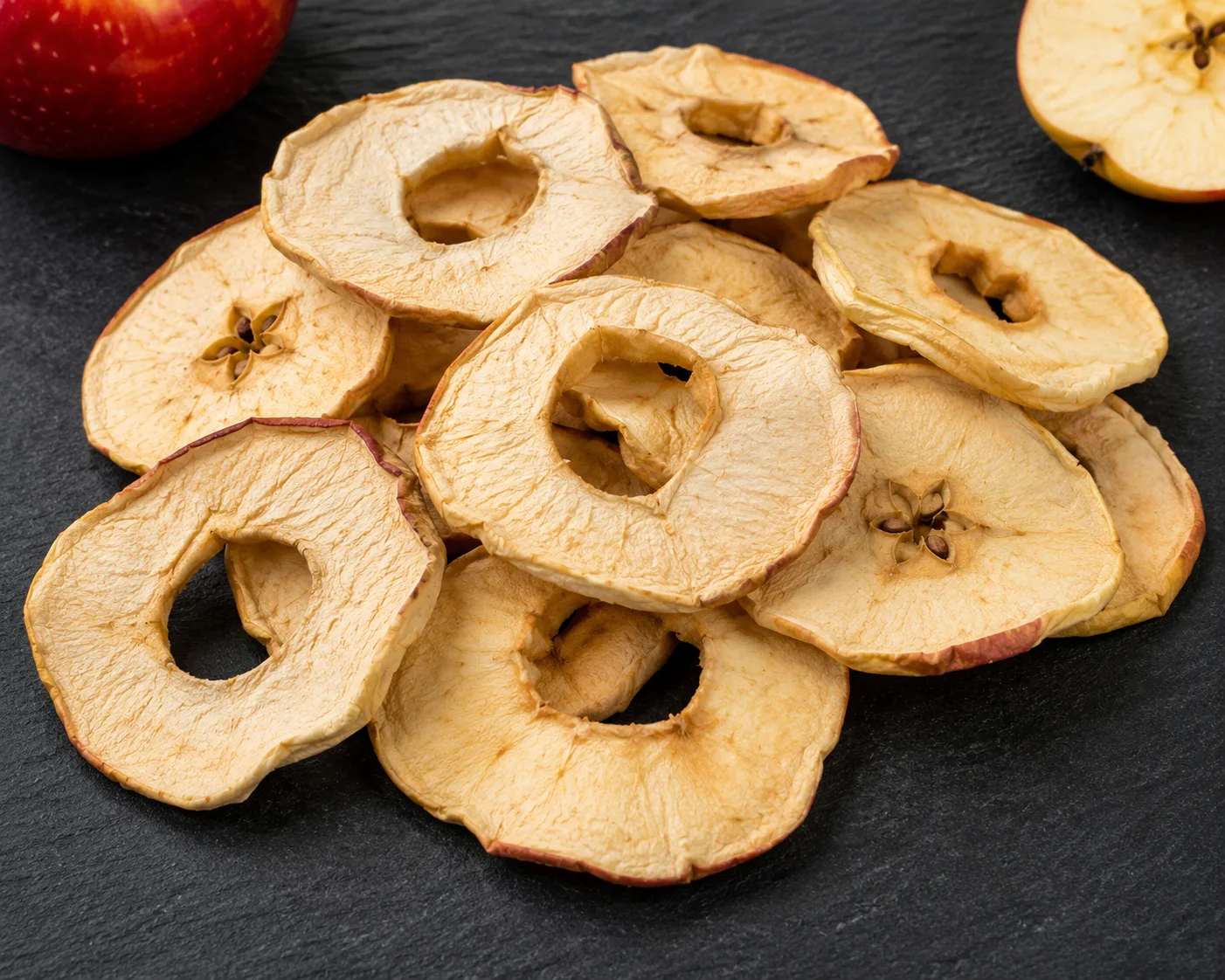
Dehydrated Apple
Dehydrated Cranberries
Raisins
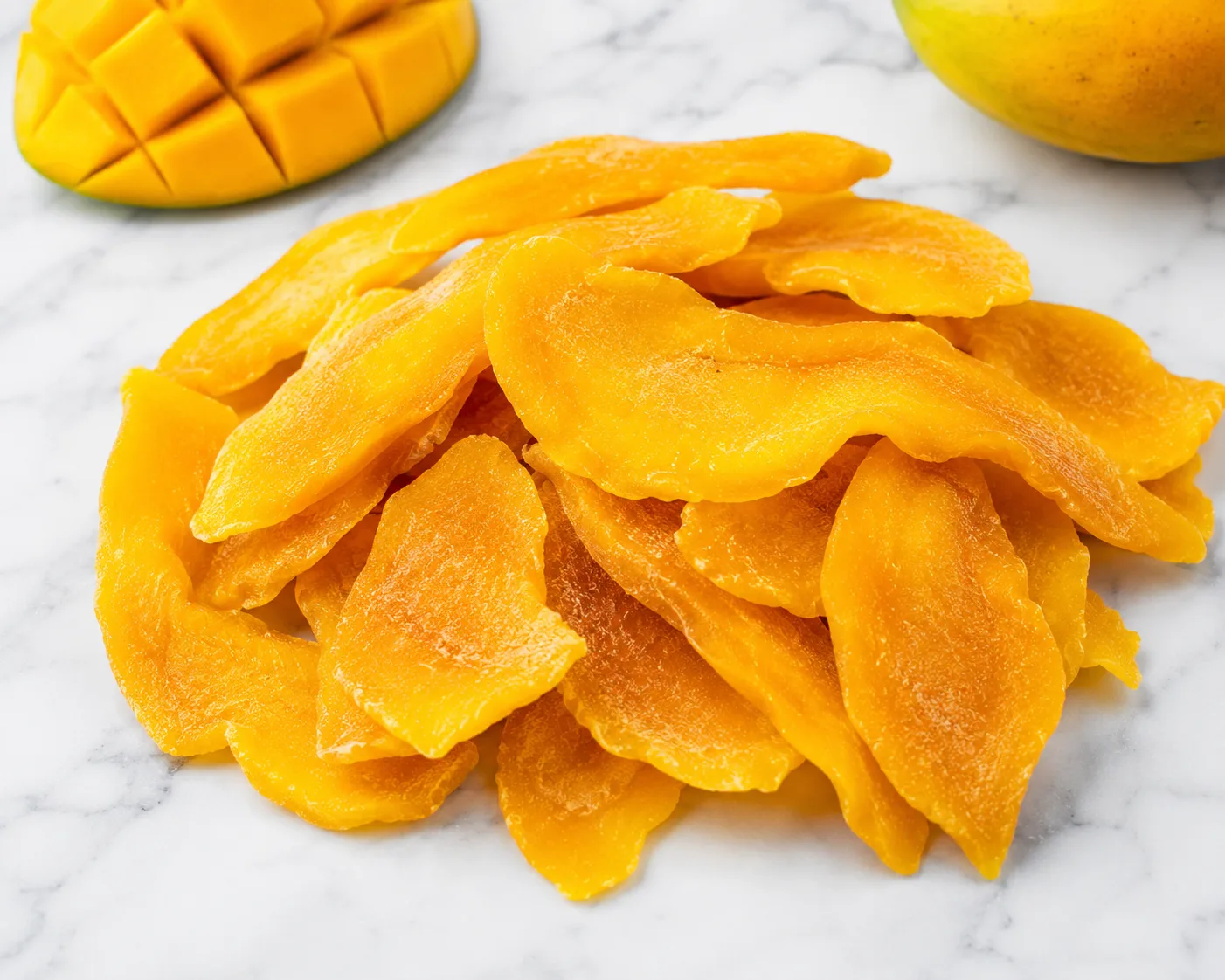
Dehydrated Mango
Dehydrated Pineapple
Dehydrated Papaya
Dehydrated Coconut
Compared to fresh fruits, dehydrated fruits maintain product consistency while reducing moisture-related production challenges.
Breakfast Cereals & Granola
Breakfast cereals increasingly feature dried fruits as consumers seek healthier breakfast options.
Manufacturers use dehydrated fruits in:
Granola
Muesli
Oatmeal
Ready-to-eat cereals
Protein cereals
Popular fruit ingredients include:
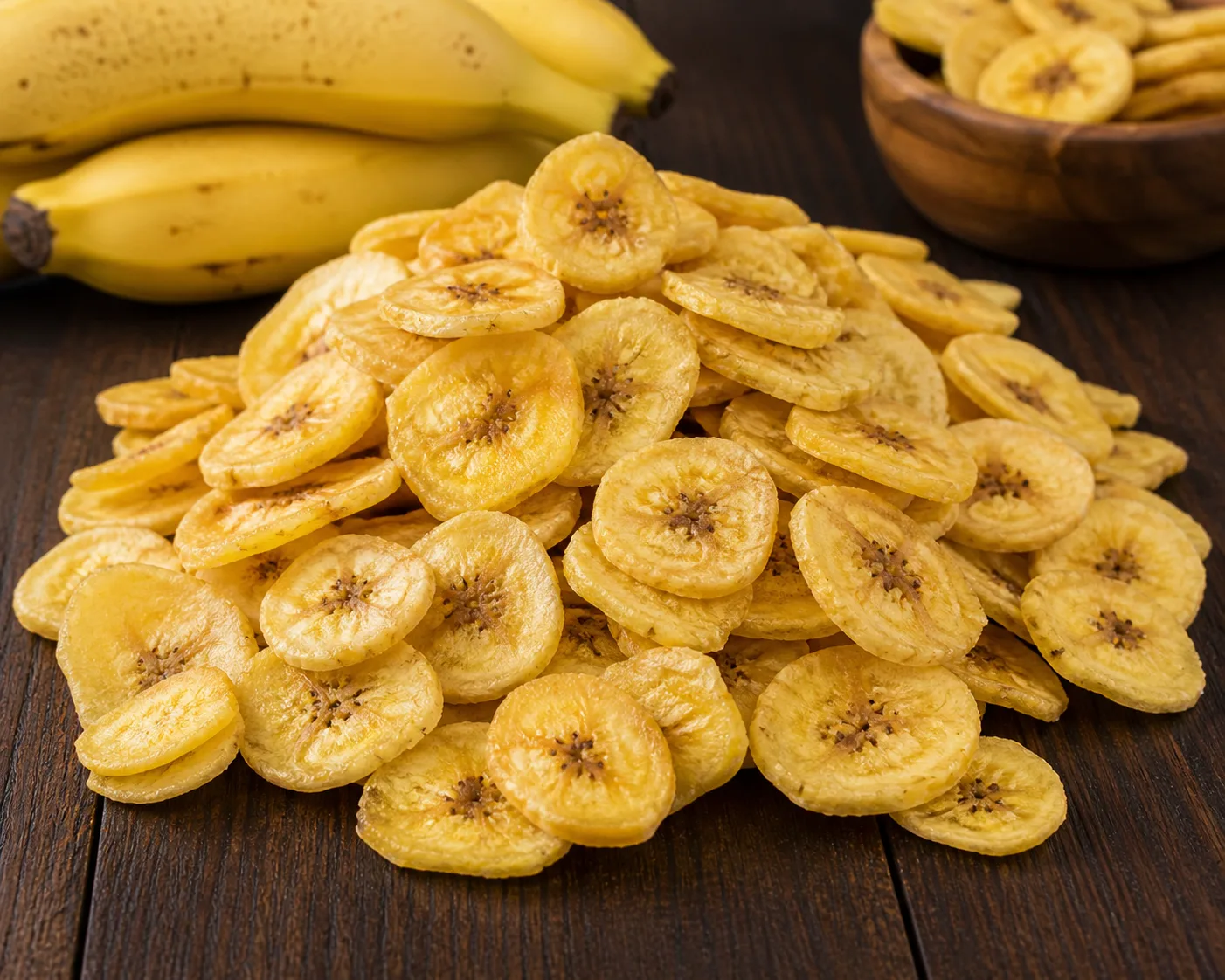
Banana
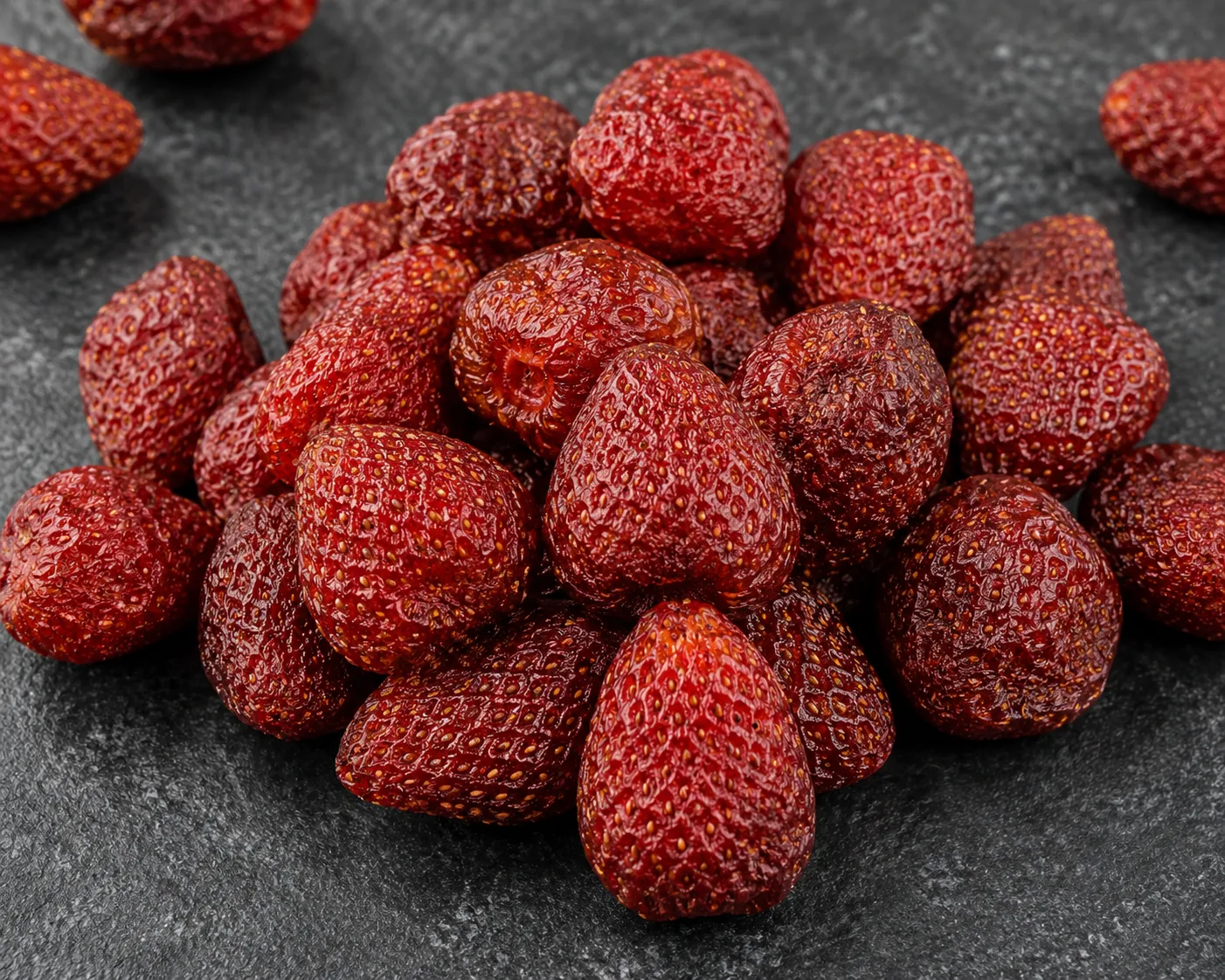
Strawberry
Apple
Blueberries
Cranberries
Raisins
Dehydrated fruits add natural sweetness without requiring artificial flavouring.
Snack Food Industry
The healthy snacking category continues to experience significant growth worldwide.
Snack manufacturers use dehydrated fruits in:
Fruit snacks
Trail mixes
Protein snacks
Granola bars
Energy bites
Nut mixes
Consumers increasingly prefer snacks made with recognizable, natural ingredients, making dehydrated fruits an attractive choice.
Dairy Industry
Dairy manufacturers use dehydrated fruits because they offer excellent stability compared to fresh fruit.
Applications include:
Yogurt
Ice cream
Frozen desserts
Milk beverages
Smoothie mixes
Low moisture content helps preserve product quality during storage and transportation.
Confectionery Industry
Chocolate manufacturers and confectionery brands incorporate dehydrated fruits into premium products such as:
Chocolate bars
Fruit-filled chocolates
Premium confectionery
Seasonal gift boxes
Gummies
Fruit chews
The concentrated fruit flavour enhances overall product appeal.
Functional Food & Nutraceutical Industry
Health-focused manufacturers increasingly use dehydrated fruit powders and pieces in:
Meal replacements
Protein powders
Smoothie blends
Nutrition bars
Functional beverages
Wellness products
Consumers appreciate natural fruit ingredients that align with clean-label trends.
Choosing the Right Dehydrated Fruit Ingredients
Different applications require different fruit characteristics.
When selecting ingredients, consider:
Fruit Variety
Each fruit offers unique flavour, colour, texture, and nutritional properties.
Cut Size
Available formats include:
Diced
Cubes
Slices
Flakes
Granules
Powder
The correct cut size improves manufacturing efficiency.
Moisture Content
Consistent moisture levels are essential for:
Shelf life
Product stability
Processing performance
Always verify moisture specifications before purchasing.
Colour Consistency
Uniform colour enhances the appearance of finished food products and reflects proper processing methods.
Taste Profile
Depending on the application, manufacturers may require:
Naturally sweet fruits
Unsweetened fruits
Tart fruits
Mild fruit flavours
Discuss flavour expectations with your supplier.
Quality Standards Buyers Should Expect
Food manufacturers must source ingredients that meet strict safety and quality requirements.
Reliable suppliers should provide:
GMP Certification
Ensures controlled manufacturing processes.
HACCP Compliance
Critical for food safety throughout production.
ISO Certification
Demonstrates internationally recognized quality management systems.
Organic Certification
Required when producing certified organic food products.
Certificate of Analysis (COA)
Each batch should include documentation covering:
Moisture content
Microbiological analysis
Product specifications
Appearance
Quality testing
Packaging for Food Manufacturing
Proper packaging protects dehydrated fruits throughout transportation and storage.
Common packaging options include:
Food-grade polyethylene bags
Aluminium foil liners
Fibre drums
Corrugated cartons
Vacuum packaging
Bulk pallet shipments
Custom packaging is often available for manufacturers with specific production requirements.
Storage Best Practices
To maintain product quality, dehydrated fruits should be stored:
In cool, dry conditions
Away from direct sunlight
Inside sealed food-grade packaging
At stable temperatures
In clean warehouse facilities
Proper storage preserves flavour, texture, and shelf life.
Common Buying Mistakes
Businesses often encounter avoidable sourcing challenges.
Avoid these mistakes:
Choosing Based Only on Price
Lower prices may indicate inconsistent quality or insufficient food safety controls.
Ignoring Product Specifications
Always review moisture levels, cut size, and quality standards.
Not Requesting Samples
Samples allow buyers to confirm product suitability before large-scale purchasing.
Overlooking Certifications
Food manufacturers should always verify quality certifications and laboratory reports.
Working with Multiple Suppliers
Managing numerous vendors often increases procurement complexity and logistics costs.
Partnering with a trusted supplier simplifies sourcing.
Why Food Manufacturers Choose Damodarr
At Damodarr, we understand that food manufacturers require ingredients that consistently meet production standards. Our dehydrated fruits are carefully sourced and processed to preserve their natural flavour, colour, and quality while meeting international food safety expectations.
Businesses worldwide choose Damodarr because we provide:
A comprehensive range of premium dehydrated fruits.
Ingredients suitable for bakery, cereals, snacks, dairy, confectionery, and food processing.
Strict quality assurance supported by laboratory testing.
Batch-specific Certificates of Analysis.
Flexible bulk packaging solutions.
Export-ready documentation.
Reliable global logistics.
Dedicated customer support from inquiry to delivery.
Whether you're developing a new product or scaling production, our team works with you to provide dependable ingredient solutions that support long-term business growth.
Future Trends in Food Manufacturing
Consumer preferences continue to shape ingredient sourcing.
Growing trends include:
Clean-label foods
Natural ingredients
Functional nutrition
Healthy snacking
Premium bakery products
Plant-based foods
Reduced food waste
Sustainable sourcing
Manufacturers incorporating premium dehydrated fruits into their products are well-positioned to meet evolving market expectations.
Conclusion
Dehydrated fruits have become an essential ingredient across modern food manufacturing due to their versatility, extended shelf life, consistent quality, and ease of use. Whether used in bakery products, breakfast cereals, dairy, confectionery, snacks, or functional foods, they help manufacturers deliver products that meet today's consumer expectations.
Selecting a reliable supplier is equally important. Businesses should evaluate product quality, certifications, manufacturing capabilities, packaging, and export expertise rather than focusing solely on price.
At Damodarr, we combine premium dehydrated fruit ingredients with rigorous quality assurance, export expertise, and customer-focused service to help manufacturers source ingredients confidently. By partnering with a trusted supplier, businesses can strengthen their supply chains while producing high-quality food products for global markets.
Frequently Asked Questions
Why are dehydrated fruits widely used in bakeries?
Dehydrated fruits provide longer shelf life, consistent flavour, lower moisture, and easier handling compared to fresh fruits, making them ideal for baked goods.
Which food industries use dehydrated fruits?
They are commonly used in bakeries, breakfast cereals, snack foods, dairy products, confectionery, nutraceuticals, and food manufacturing.
What should I look for when buying dehydrated fruits in bulk?
Evaluate product quality, certifications, moisture content, packaging, laboratory testing, export experience, and supplier reliability.
Can dehydrated fruits be customized for manufacturing?
Yes. Many suppliers offer different cut sizes, moisture specifications, packaging options, and customized bulk solutions based on production requirements.
Why choose Damodarr for dehydrated fruit ingredients?
Damodarr supplies premium dehydrated fruits supported by strict quality assurance, flexible packaging, export-ready documentation, and reliable global logistics, making us a trusted partner for food manufacturers worldwide.