
Introduction
Natural ingredients have become a cornerstone of modern product innovation. As consumers increasingly seek clean-label foods, plant-based supplements, botanical skincare, and wellness-focused products, herbal extracts have emerged as one of the fastest-growing ingredient categories across multiple industries.
Derived from carefully selected medicinal plants, herbs, flowers, roots, and leaves, herbal extracts provide concentrated bioactive compounds that offer functional, nutritional, and sensory benefits. Their versatility allows manufacturers to develop products that align with consumer demand for natural, sustainable, and science-backed ingredients.
From turmeric in dietary supplements to green tea extracts in skincare formulations, herbal extracts now play a critical role in product development across the food, nutraceutical, cosmetic, pharmaceutical, and even pet care industries.
In this article, we'll explore how herbal extracts are used across different sectors, the factors businesses should consider when sourcing botanical ingredients, and why partnering with an experienced supplier like Damodarr can help ensure quality and consistency.
What Are Herbal Extracts?
Herbal extracts are concentrated substances obtained from plants through specialized extraction processes designed to preserve their beneficial compounds. Depending on the intended application, manufacturers may use water, ethanol, hydro-alcoholic solutions, or other approved extraction methods to isolate valuable phytochemicals.
Herbal extracts are available in various forms, including:
Powder extracts
Liquid extracts
Standardized extracts
Water-soluble extracts
Spray-dried botanical powders
Compared to raw herbs, extracts offer improved consistency, easier formulation, longer shelf life, and standardized levels of active compounds.
Why Herbal Extracts Are in High Demand
The global shift toward healthier lifestyles has significantly increased the demand for botanical ingredients.
Manufacturers are responding to trends such as:
Clean-label products
Plant-based nutrition
Natural cosmetics
Functional beverages
Preventive healthcare
Sustainable sourcing
Consumers are increasingly reading ingredient labels and choosing products that contain recognizable, plant-derived ingredients. As a result, herbal extracts have become valuable functional ingredients rather than simple flavoring agents.
Herbal Extract Applications in the Food Industry
The food industry is one of the largest consumers of herbal extracts, particularly as manufacturers move away from artificial additives and synthetic ingredients.
Functional Foods
Functional foods contain ingredients that provide benefits beyond basic nutrition.
Common herbal extracts include:
Turmeric Extract
Moringa Extract
Ginger Extract
Green Tea Extract
Amla Extract
These ingredients are incorporated into cereals, nutrition bars, soups, snacks, and meal replacements.
Beverages
Herbal extracts are widely used in:
Herbal teas
Functional beverages
Energy drinks
Wellness drinks
Ready-to-drink formulations
Botanical extracts enhance flavor while supporting product differentiation.
Natural Flavoring
Many herbal extracts provide natural flavor profiles and aromatic characteristics suitable for premium food products.
Examples include:
Mint
Basil
Cinnamon
Rosemary
Cardamom
Herbal Extracts in the Nutraceutical Industry
The nutraceutical sector has become one of the fastest-growing markets for herbal extracts.
Consumers increasingly seek dietary supplements that support overall wellness using plant-derived ingredients.
Popular applications include:
Immunity supplements
Stress management
Joint health
Digestive wellness
Weight management
Cognitive health
Sports nutrition
Frequently used botanical extracts include:
Ashwagandha
Turmeric
Boswellia
Brahmi
Fenugreek
Shatavari
Ginseng
Licorice
Standardized extracts are particularly important in this industry because they ensure consistent levels of active compounds.
Herbal Extracts in Cosmetics & Personal Care
The beauty industry has embraced botanical ingredients as consumers increasingly prefer naturally derived skincare and haircare products.
Herbal extracts are incorporated into:
Face creams
Serums
Shampoos
Conditioners
Face masks
Body lotions
Cleansers
Hair oils
Common cosmetic botanical extracts include:
Aloe Vera
Green Tea
Chamomile
Neem
Rose
Calendula
Licorice
Turmeric
These ingredients are valued for their soothing, antioxidant, moisturizing, and skin-conditioning properties.
Pharmaceutical Applications
Although pharmaceutical products undergo strict regulatory requirements, herbal extracts continue to play an important role in various formulations.
Applications include:
Herbal medicines
Traditional medicine formulations
Botanical drug research
Supportive healthcare products
Manufacturers typically prioritize standardized extracts with documented quality specifications and comprehensive testing.
Herbal Extracts in Animal Nutrition
The use of botanical ingredients in pet food and livestock nutrition is steadily increasing.
Common applications include:
Digestive support
Feed supplements
Immune support
Natural antioxidants
Livestock nutrition
As demand for natural animal nutrition grows, manufacturers are increasingly exploring plant-based alternatives to synthetic additives.
Choosing the Right Herbal Extract for Your Industry
Different industries have unique requirements, so selecting the appropriate extract involves more than choosing a popular ingredient.
Consider factors such as:
Product application
Required active compounds
Solubility
Flavor profile
Regulatory requirements
Shelf life
Standardization
Organic certification (if applicable)
Working with an experienced supplier can help businesses identify the most suitable botanical ingredients for their formulations.
Quality Matters Across Every Industry
Regardless of the application, quality remains one of the most important considerations when sourcing herbal extracts.
Reliable suppliers should provide:
Certificate of Analysis (COA)
Batch traceability
Heavy metal testing
Microbial testing
Active compound verification
GMP and ISO certifications
Technical specifications
Consistent quality not only supports product performance but also helps manufacturers comply with regulatory standards in domestic and international markets.
Emerging Trends Shaping the Herbal Extract Market
The herbal extract industry continues to evolve in response to changing consumer preferences and technological advancements.
Some notable trends include:
Clean-Label Products
Consumers prefer products made with recognizable, plant-based ingredients and minimal processing.
Plant-Based Innovation
Manufacturers are increasingly incorporating botanical extracts into vegan and vegetarian product formulations.
Sustainable Sourcing
Brands are placing greater emphasis on ethically sourced herbs, traceability, and environmentally responsible production.
Personalized Nutrition
The growing interest in personalized wellness is driving demand for targeted herbal formulations tailored to specific health goals.
Standardized Extracts
Manufacturers are prioritizing extracts with consistent concentrations of active compounds to ensure reliable product performance.
These trends are expected to continue shaping product development and ingredient sourcing strategies in the coming years.
Why Global Manufacturers Choose Damodarr
At Damodarr, we understand that every industry has unique ingredient requirements. Whether you're formulating dietary supplements, functional foods, cosmetics, or wellness products, consistency and quality are essential.
We partner with businesses across the globe by supplying carefully sourced herbal extracts and botanical ingredients backed by robust quality processes and export expertise.
Our capabilities include:
Premium herbal extracts sourced from trusted botanical suppliers.
Consistent quality through rigorous testing and manufacturing controls.
Support for food, nutraceutical, cosmetic, and wellness industries.
Export-ready documentation for international markets.
Flexible packaging options for bulk orders.
Reliable logistics and customer support.
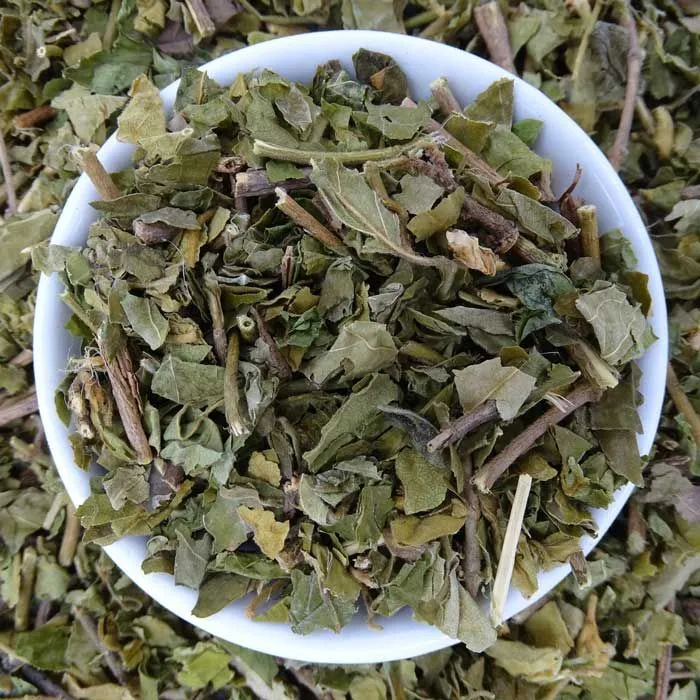
Rather than offering one-size-fits-all solutions, we work closely with our customers to understand their formulation requirements and provide botanical ingredients that align with their specific applications.
The Future of Herbal Extracts
The future of herbal extracts is closely tied to consumer demand for healthier, more sustainable products. As scientific research continues to validate the benefits of botanical ingredients and manufacturers invest in advanced extraction technologies, herbal extracts are expected to play an even greater role across industries.
Businesses that prioritize quality sourcing, regulatory compliance, and trusted supplier relationships will be well-positioned to capitalize on this growing market.
Conclusion
Herbal extracts have evolved from traditional botanical ingredients into essential components of modern product development. Their versatility allows manufacturers to create innovative products for the food, nutraceutical, cosmetic, pharmaceutical, and animal nutrition sectors while meeting growing consumer demand for natural, plant-based solutions.
However, selecting the right herbal extract is only part of the equation. Partnering with an experienced supplier that emphasizes quality, consistency, and international standards is equally important.
At Damodarr, we combine sourcing expertise, rigorous quality management, and global export capabilities to help businesses access premium botanical ingredients tailored to their industry needs. As demand for herbal extracts continues to grow, we remain committed to supporting manufacturers with reliable products and long-term partnerships.
Frequently Asked Questions
Which industries use herbal extracts?
Herbal extracts are widely used in the food, nutraceutical, cosmetic, pharmaceutical, personal care, and animal nutrition industries.
Why are herbal extracts preferred over raw herbs?
Herbal extracts provide concentrated active compounds, better consistency, easier formulation, longer shelf life, and standardized quality, making them more suitable for commercial manufacturing.
What are the most commonly used herbal extracts?
Popular herbal extracts include Ashwagandha, Turmeric, Moringa, Green Tea, Ginger, Neem, Aloe Vera, Brahmi, Chamomile, and Licorice.
How do manufacturers ensure the quality of herbal extracts?
Quality is maintained through GMP-compliant manufacturing, laboratory testing, Certificates of Analysis (COA), batch traceability, and adherence to international quality standards.
Why choose Damodarr for herbal extract sourcing?
Damodarr supplies high-quality herbal extracts backed by rigorous quality control, export expertise, comprehensive documentation, and customized solutions for food, nutraceutical, cosmetic, and wellness manufacturers worldwide.
Internal Linking Suggestions
Herbal Extract Suppliers (Category Page)
How to Choose the Right Herbal Extract Supplier (Blog)
Organic vs Conventional Herbal Extracts (Blog)
Herbal Extract Quality Standards (Blog)
Bulk Herbal Extract Buying Guide (Blog)
Industries We Serve
Export Logistics
Contact Us