
Introduction
The global herbal extract market is expanding rapidly, driven by increasing demand for natural ingredients in dietary supplements, functional foods, pharmaceuticals, cosmetics, and personal care products. While sourcing high-quality herbal extracts offers significant business opportunities, it also comes with a critical responsibility: ensuring that every ingredient meets internationally recognized quality and safety standards.
For manufacturers, distributors, and importers, product quality goes far beyond appearance or price. Buyers must verify that herbal extracts are manufactured under controlled conditions, tested for purity and safety, and supported by proper documentation. Failing to assess these factors can lead to regulatory issues, inconsistent product performance, delayed shipments, or damage to brand reputation.
This guide explains the essential certifications, laboratory tests, and documentation every buyer should evaluate before selecting a herbal extract supplier.
Why Quality Standards Matter in Herbal Extracts
Herbal extracts are used as active ingredients in products consumed or applied by millions of people every day. Their quality directly influences:
Product safety
Consumer confidence
Regulatory compliance
Shelf life
Manufacturing consistency
Brand reputation
Unlike raw herbs, herbal extracts undergo concentration and processing, making quality control even more important. Even minor variations in raw materials or manufacturing can affect the potency and stability of the final product.
For businesses exporting or importing herbal extracts, maintaining consistent quality is essential for long-term success.
Understanding Quality Assurance vs. Quality Control
Although often used interchangeably, quality assurance (QA) and quality control (QC) serve different purposes.
Quality Assurance (QA)
Quality assurance focuses on preventing problems during production by establishing standardized procedures, documentation, and manufacturing practices.
Examples include:
Standard Operating Procedures (SOPs)
Employee training
Equipment calibration
Process validation
Documentation systems
Quality Control (QC)
Quality control involves testing products before they are released to ensure they meet predefined specifications.
QC typically includes:
Laboratory analysis
Microbial testing
Heavy metal analysis
Moisture testing
Active ingredient verification
A reputable herbal extract manufacturer should have both QA and QC systems in place.
Essential Certifications Every Herbal Extract Supplier Should Have
1. Good Manufacturing Practices (GMP)
GMP certification ensures that herbal extracts are produced in clean, controlled environments following standardized manufacturing procedures.
A GMP-certified facility typically maintains:
Hygienic production areas
Controlled manufacturing processes
Proper employee training
Batch traceability
Documented quality procedures
For buyers in the nutraceutical and pharmaceutical sectors, GMP compliance is often considered a baseline requirement.
2. ISO Certification
ISO certification demonstrates that a company follows internationally recognized quality management systems.
For herbal extract manufacturers, ISO certification indicates:
Consistent manufacturing processes
Continuous quality improvement
Customer-focused operations
Risk management procedures
Documented operational controls
ISO-certified suppliers often have better systems for maintaining product consistency across multiple production batches.
3. HACCP Certification
Hazard Analysis and Critical Control Points (HACCP) is particularly important for herbal extracts used in food and beverage applications.
HACCP focuses on identifying and controlling potential hazards throughout the production process.
It helps minimize risks related to:
Biological contamination
Chemical contamination
Physical contamination
Food safety
Food manufacturers frequently prioritize suppliers that operate under HACCP principles.
4. Organic Certification (When Applicable)
If your finished products are marketed as organic, the herbal extracts used must also comply with recognized organic standards.
Organic certification generally verifies that:
Herbs are grown without prohibited synthetic pesticides or fertilizers.
Processing follows approved organic methods.
The supply chain maintains traceability and segregation.
Annual audits are completed by accredited certification bodies.
Always confirm that the certification is valid for the market where your products will be sold.
5. Certificate of Analysis (COA)
A Certificate of Analysis is one of the most important documents buyers should request for every batch of herbal extract.
A typical COA includes:
Product identification
Botanical name
Batch number
Active compound levels
Moisture content
Microbiological results
Heavy metal analysis
Residual solvent results (where applicable)
Test methods used
Never rely solely on product specifications—batch-specific COAs provide evidence that each shipment meets agreed quality standards.
Laboratory Testing Every Buyer Should Request
Beyond certifications, comprehensive laboratory testing provides confidence in product quality and safety.
Heavy Metal Testing
Medicinal plants can absorb heavy metals from soil and water. Testing helps ensure levels remain within acceptable regulatory limits.
Common metals tested include:
Lead
Arsenic
Mercury
Cadmium
Microbial Testing
Microbiological analysis helps detect harmful microorganisms that could compromise product safety.
Testing commonly includes:
Total Plate Count
Yeast and Mold
E. coli
Salmonella
Staphylococcus aureus
These tests are especially important for ingredients used in food, supplements, and pharmaceuticals.
Pesticide Residue Analysis
Although herbal ingredients are natural, they may contain pesticide residues if cultivation practices are not properly managed.
Testing verifies compliance with maximum residue limits (MRLs) established by importing countries.
Active Compound Verification
Many herbal extracts are standardized based on their active constituents.
Examples include:
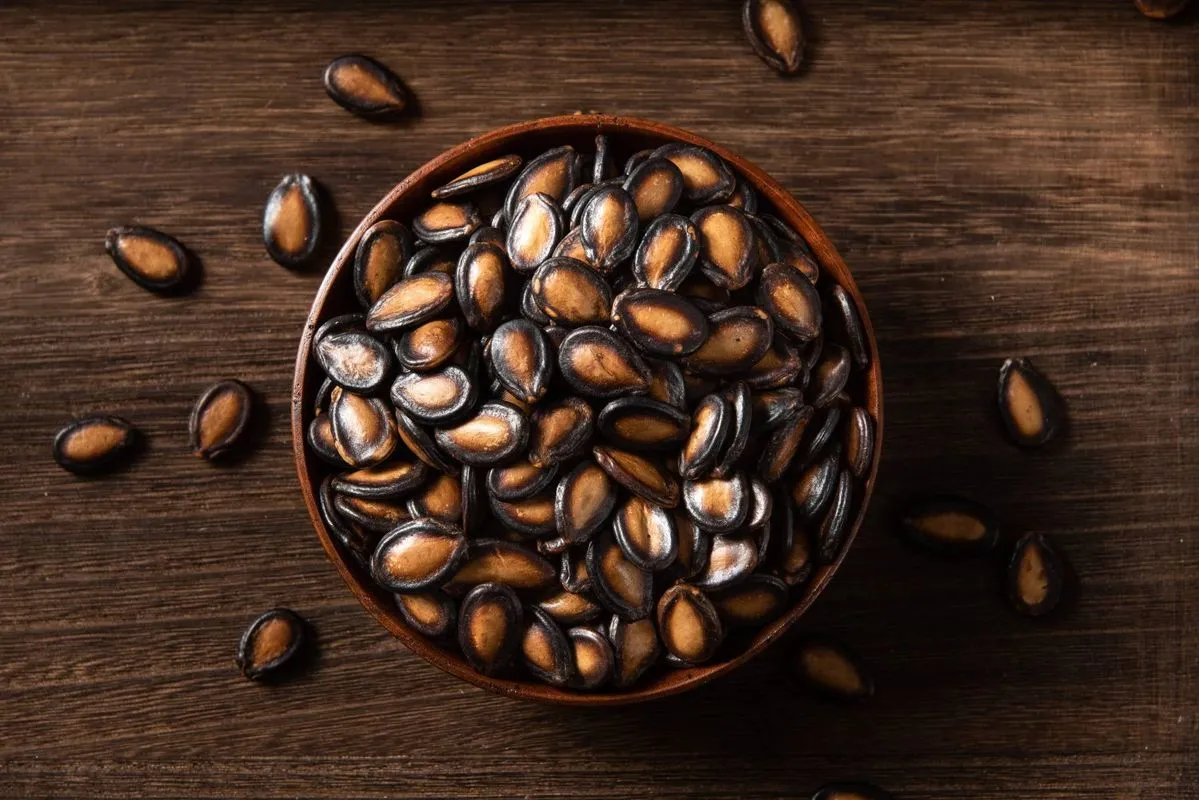
Curcuminoids in Turmeric Extract
Withanolides in Ashwagandha Extract
Saponins in Fenugreek Extract
Polyphenols in Green Tea Extract
Verifying active compounds ensures product consistency and efficacy.
Moisture Content
Excess moisture can reduce shelf life and increase the risk of microbial growth.
Routine moisture testing helps maintain product stability during storage and transportation.
Traceability: A Critical Part of Quality
Modern buyers increasingly demand complete traceability throughout the supply chain.
An effective traceability system allows manufacturers to identify:
The origin of raw herbs
Harvest dates
Processing records
Production batches
Laboratory results
Shipping information
This level of transparency is particularly important for companies exporting to highly regulated markets such as the UK and the European Union.
Questions Buyers Should Ask Before Importing
Before placing an order, consider asking your supplier:
Which certifications does your facility hold?
Can you provide a recent Certificate of Analysis?
Are products tested by accredited laboratories?
How is batch traceability maintained?
What quality management systems are implemented?
Can you provide product specifications and safety data sheets?
How often are manufacturing facilities audited?
Reliable suppliers will answer these questions openly and provide supporting documentation.
Common Mistakes Importers Make
Many sourcing issues arise because buyers overlook critical quality checks.
Some common mistakes include:
Selecting suppliers based solely on price.
Not requesting Certificates of Analysis.
Assuming all herbal extracts are manufactured to the same standard.
Failing to verify certifications.
Ignoring laboratory testing reports.
Overlooking supplier export experience.
A proactive evaluation process helps minimize these risks and protects your business from costly quality issues.
How Damodarr Maintains Quality from Source to Shipment
At Damodarr, quality is integrated into every stage of our supply chain. We recognize that our customers rely on consistent herbal extracts for products sold across international markets, and we take that responsibility seriously.
Our quality-focused approach includes:
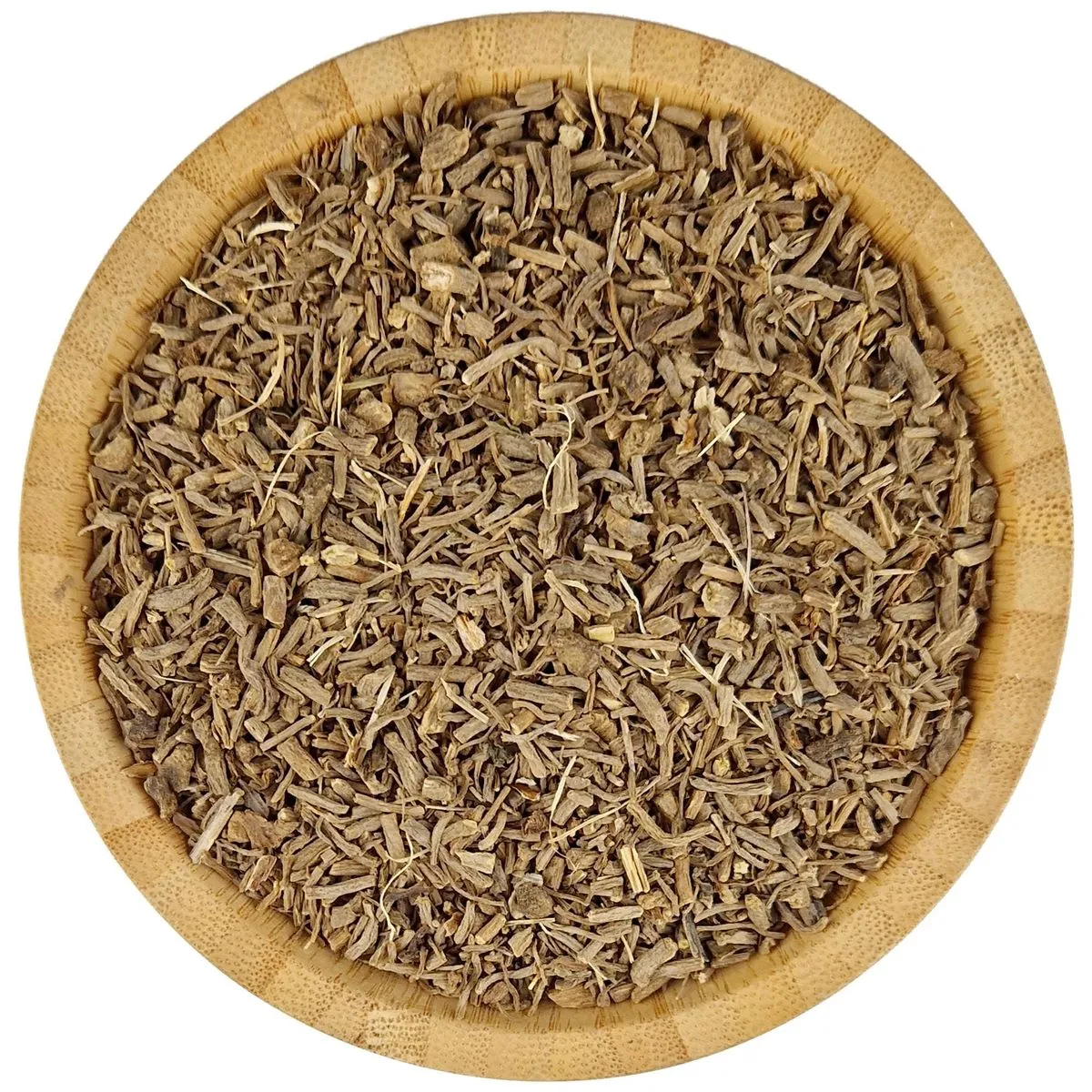
Careful sourcing of botanical raw materials.
Manufacturing under controlled processes.
Comprehensive batch documentation.
Quality inspections before dispatch.
Support with technical documentation for international buyers.
Reliable packaging designed for global transportation.
Rather than treating quality as a final inspection, we incorporate quality management throughout sourcing, production, testing, and export. This enables us to supply herbal extracts that consistently meet customer specifications while supporting regulatory compliance in international markets.
Building Long-Term Supplier Relationships Through Quality
Quality isn't just about passing laboratory tests—it's about building trust.
Businesses that establish long-term relationships with reliable herbal extract suppliers often benefit from:
More consistent product quality
Better communication
Faster order processing
Improved forecasting
Stable pricing
Simplified regulatory documentation
Choosing a supplier committed to continuous quality improvement can significantly reduce procurement risks over time.
Conclusion
Importing herbal extracts requires more than comparing product prices. Buyers should carefully evaluate certifications, manufacturing systems, laboratory testing, documentation, and traceability before making purchasing decisions.
International standards such as GMP, ISO, HACCP, and comprehensive Certificates of Analysis provide valuable assurance that products have been manufactured and tested according to recognized quality practices.
By partnering with experienced suppliers like Damodarr, businesses gain access to not only premium botanical ingredients but also the documentation, quality systems, and export expertise needed to support long-term success in global markets.
Frequently Asked Questions
What certifications should a herbal extract supplier have?
Reputable suppliers typically maintain certifications such as GMP, ISO, HACCP, and provide batch-specific Certificates of Analysis. Organic certification may also be required depending on the product.
Why is a Certificate of Analysis (COA) important?
A COA verifies the quality and safety of a specific batch by reporting results for active compounds, heavy metals, microbial testing, moisture content, and other quality parameters.
Are herbal extracts tested before export?
Yes. Reliable manufacturers conduct laboratory testing for microbiological safety, heavy metals, pesticide residues, moisture, and active ingredient levels before shipment.
How can I verify the quality of a herbal extract supplier?
Request certifications, recent laboratory reports, Certificates of Analysis, product specifications, and information about the supplier's quality management systems and traceability processes.
Does Damodarr provide documentation for international buyers?
Yes. Damodarr supports international customers with comprehensive product documentation, quality records, and export-ready paperwork to facilitate regulatory compliance and smooth global trade.