
The global herbal tea market has experienced remarkable growth as consumers increasingly choose natural, caffeine-free beverages that align with healthier lifestyles. Whether it's chamomile for relaxation, peppermint for digestion, or hibiscus for its refreshing taste, herbal teas have become a staple in supermarkets, specialty stores, cafés, and wellness brands worldwide.
For businesses entering or expanding in this market, sourcing premium ingredients is one of the most important decisions. The quality of herbs directly impacts flavour, aroma, consistency, shelf life, and ultimately customer satisfaction. That's why choosing the right herbal tea wholesaler is about much more than finding competitive prices—it's about partnering with a supplier that delivers quality, consistency, and reliability.
Whether you're launching a private-label tea brand, manufacturing wellness products, or supplying cafés and retailers, this guide will help you understand what to look for in a herbal tea wholesaler and how to build a reliable supply chain.
Why the Herbal Tea Market Is Growing
Consumer preferences have shifted significantly over the past decade. More people are choosing beverages made with natural ingredients and looking for products that fit into healthier lifestyles.
Some of the key drivers behind the growing demand for herbal tea include:
Rising interest in natural wellness products
Increased preference for caffeine-free beverages
Growth of clean-label food and drink products
Expansion of premium tea brands
Greater awareness of plant-based ingredients
Increasing popularity of herbal infusions
This growing demand has created opportunities for manufacturers, retailers, cafés, distributors, and private-label brands looking to introduce premium herbal tea products.
What Is a Herbal Tea Wholesaler?
A herbal tea wholesaler supplies herbs and botanical ingredients in bulk quantities to businesses rather than individual consumers.
Typical customers include:
Tea brands
Food manufacturers
Supermarkets
Specialty retailers
Cafés
Hotels
Wellness companies
Online tea businesses
Private-label manufacturers
Depending on the supplier, wholesale products may include:
Single-ingredient herbs
Herbal tea blends
Tea-cut herbs
Organic herbal teas
Dried flowers
Fruit pieces
Functional botanical ingredients
Professional wholesalers also assist with packaging, documentation, export logistics, and quality assurance.
Popular Herbs Used in Herbal Tea
A reliable wholesaler should offer a diverse portfolio of herbs suitable for different tea blends and consumer preferences.
Some of the most commonly used herbal tea ingredients include:
Chamomile
Known for its delicate floral flavour and widely used in calming herbal tea blends.
Peppermint
Popular for its refreshing taste and cooling aroma.
Hibiscus
Adds a vibrant colour and naturally tart flavour to fruit and wellness teas.
Lemongrass
Frequently used in detox, wellness, and refreshing tea formulations.
Tulsi (Holy Basil)
A popular botanical ingredient in traditional herbal tea blends.
Ginger
Widely incorporated into immunity, digestive, and warming tea blends.
Moringa
Increasingly used in functional wellness beverages.
Rose Petals
Used for premium floral tea blends and specialty beverages.
Cinnamon
Adds warmth and natural sweetness to herbal infusions.
Fennel
Commonly blended into digestive herbal teas.
A supplier offering a broad ingredient portfolio simplifies sourcing and reduces the need for multiple vendors.
How to Choose the Right Herbal Tea Wholesaler
Finding a reliable wholesale partner requires evaluating more than just pricing.
Product Quality
Premium herbal teas begin with premium ingredients.
Look for herbs that demonstrate:
Natural colour
Fresh aroma
Proper drying
Low moisture content
Minimal foreign matter
Consistent particle size
Always request samples before placing large commercial orders.
Quality Certifications
Quality assurance is essential when sourcing ingredients intended for food and beverages.
Important certifications include:
GMP (Good Manufacturing Practices)
ISO Certification
HACCP
Organic Certification (where applicable)
Certificate of Analysis (COA)
These certifications demonstrate a supplier's commitment to internationally recognised quality standards.
Laboratory Testing
Reliable wholesalers should conduct laboratory testing for:
Heavy metals
Microbiological safety
Moisture content
Identity verification
Pesticide residues (where applicable)
Batch-specific Certificates of Analysis provide confidence that products meet agreed specifications.
Consistent Supply
Tea brands depend on consistency throughout the year.
Ask suppliers about:
Production capacity
Seasonal availability
Inventory management
Backup sourcing strategies
Lead times
Reliable supply helps prevent production interruptions.
Organic Herbal Tea Ingredients
Consumer demand for organic tea continues to grow, particularly in premium retail markets.
If your products are marketed as organic, ensure your supplier provides:
Valid organic certification
Traceable sourcing
Separate storage facilities
Certified processing practices
Appropriate documentation
Organic certification is especially important for exports to markets with strict regulatory requirements.
Packaging for Wholesale Herbal Tea
Proper packaging protects herbs during storage and transportation.
Professional wholesalers generally offer:
Food-grade packaging
Aluminium foil liners
Fibre drums
Poly-lined cartons
Vacuum packaging
Private-label packaging (where applicable)
Quality packaging preserves freshness while reducing contamination risks.
Export Considerations for International Buyers
If you're importing herbal tea ingredients, your supplier should have strong export capabilities.
Reliable exporters typically provide:
Commercial invoices
Packing lists
Certificates of Origin
Certificates of Analysis
Shipping documentation
Product specifications
Choosing an experienced exporter simplifies customs clearance and reduces shipment delays.
Common Challenges When Buying Herbal Tea Ingredients
Businesses entering the herbal tea market often encounter similar sourcing challenges.
Inconsistent Product Quality
Different harvests may vary if suppliers lack proper quality control systems.
Poor Packaging
Improper packaging can reduce shelf life and compromise product quality.
Delayed Deliveries
Late shipments disrupt manufacturing schedules and inventory planning.
Limited Product Range
Working with multiple suppliers increases procurement complexity.
Inadequate Documentation
Missing Certificates of Analysis or quality records can delay imports.
Selecting an experienced wholesaler helps minimize these risks.
Questions to Ask Before Choosing a Herbal Tea Wholesaler
Before finalising your supplier, ask:
Which herbs do you supply?
Are products food-grade?
Can you provide recent Certificates of Analysis?
What certifications do you maintain?
Do you export internationally?
What are your lead times?
Do you offer organic ingredients?
Can you support private-label packaging?
The answers provide valuable insight into the supplier's professionalism and capabilities.
Why Businesses Choose Damodarr for Herbal Tea Ingredients
At Damodarr, we understand that every successful herbal tea brand begins with carefully selected ingredients. Whether you're producing premium loose-leaf teas, herbal infusions, wellness blends, or private-label products, consistency and quality are essential.
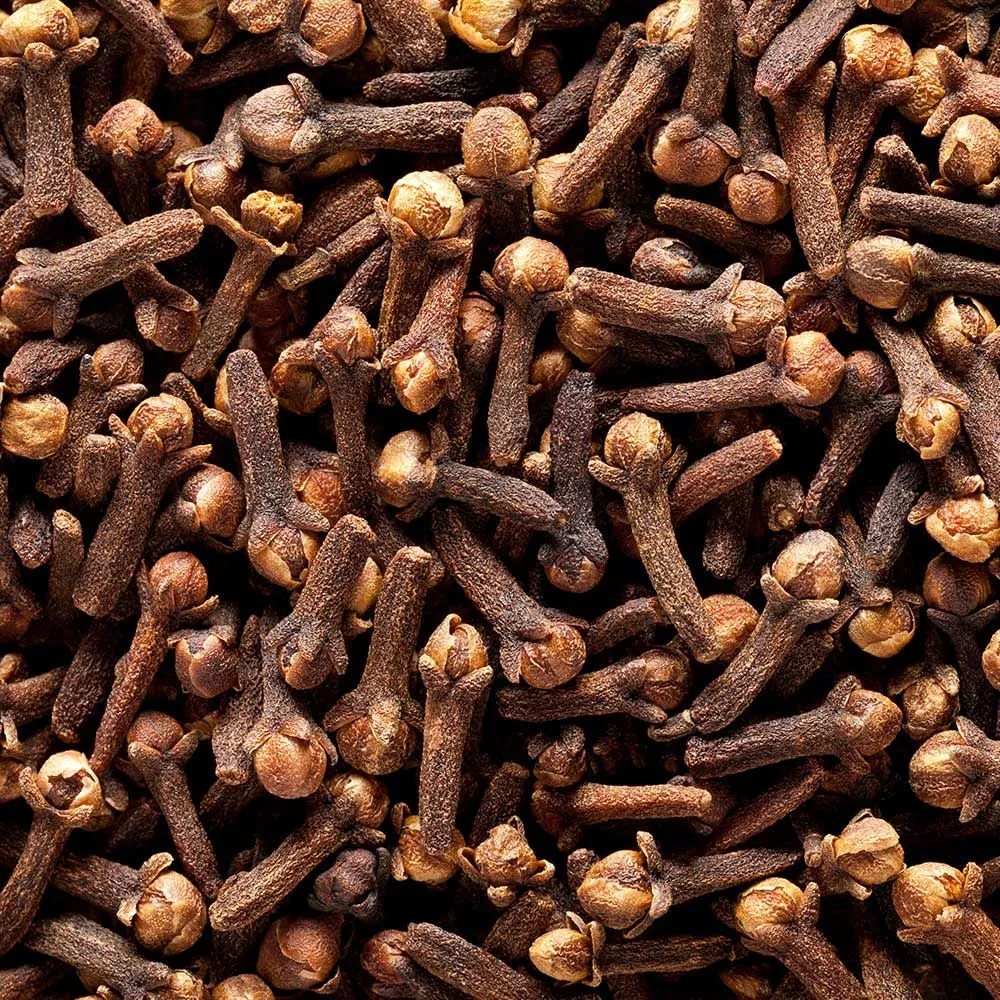
Our team supplies a wide range of premium herbal ingredients sourced through carefully managed supply chains and supported by rigorous quality assurance processes.
Businesses choose Damodarr because we provide:
Premium-quality dried herbs and botanical ingredients
Strict quality control and batch testing
Comprehensive Certificates of Analysis
Export-ready documentation
Flexible packaging options
Reliable international logistics
Consistent supply throughout the year
Responsive customer support
Rather than simply supplying herbs, we work alongside our customers to build long-term sourcing partnerships that support product quality and business growth.
Future Trends in Herbal Tea
The herbal tea industry continues to evolve as consumer preferences change.
Some of the fastest-growing trends include:
Functional wellness teas
Organic herbal blends
Botanical infusions
Sustainable packaging
Clean-label beverages
Adaptogenic herbs
Custom tea blends
Private-label herbal tea brands
Businesses that source high-quality ingredients today will be well-positioned to meet tomorrow's market demand.
Conclusion
Choosing the right herbal tea wholesaler is one of the most important decisions for tea brands, retailers, and manufacturers. While pricing remains an important consideration, quality, certifications, supply reliability, packaging, and export expertise ultimately determine long-term success.
Businesses should partner with wholesalers who demonstrate strong quality systems, transparent sourcing practices, and reliable international logistics.
At Damodarr, we combine carefully sourced herbal ingredients, comprehensive quality assurance, and export expertise to help businesses confidently develop premium herbal tea products for customers worldwide. Whether you're launching a new tea range or expanding an existing brand, we're committed to supporting your growth with reliable wholesale solutions.
Frequently Asked Questions
What does a herbal tea wholesaler supply?
Herbal tea wholesalers supply bulk herbs, dried flowers, botanical ingredients, herbal tea blends, and tea-cut herbs to manufacturers, retailers, distributors, cafés, and private-label brands.
How do I choose a reliable herbal tea wholesaler?
Evaluate suppliers based on product quality, certifications, laboratory testing, packaging, export experience, and customer support rather than price alone.
Which herbs are commonly used in herbal tea?
Popular herbal tea ingredients include chamomile, peppermint, hibiscus, ginger, lemongrass, tulsi, moringa, rose petals, fennel, and cinnamon.
Are organic herbal tea ingredients available in bulk?
Yes. Many wholesale suppliers offer certified organic herbs supported by appropriate documentation and traceability.
Why choose Damodarr for herbal tea ingredients?
Damodarr supplies premium herbal ingredients backed by strict quality control, export-ready documentation, flexible packaging, and reliable global logistics, making us a trusted wholesale partner for tea manufacturers and brands.