
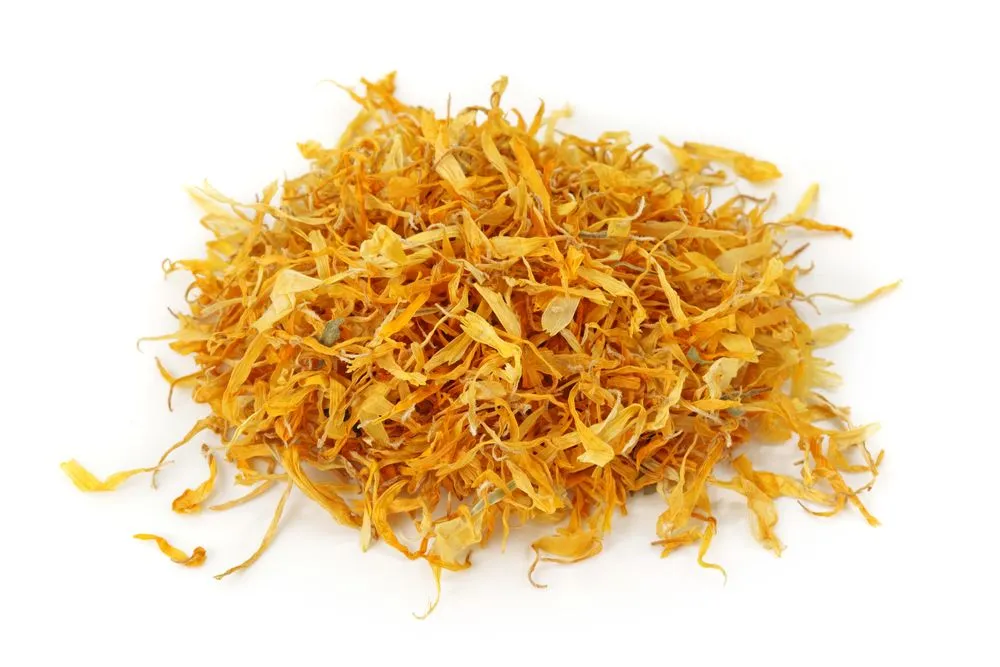
Whether you're manufacturing herbal supplements, blending herbal teas, producing natural cosmetics, or supplying wellness products, understanding herbal wholesale pricing is essential for managing costs and maintaining healthy profit margins.
One of the most common questions businesses ask is:
"What are the average wholesale prices for dried herbs?"
The answer isn't straightforward because herbal prices depend on numerous factors, including crop availability, quality standards, processing methods, certifications, packaging, order volume, and international logistics.
Many buyers make the mistake of comparing suppliers based solely on price per kilogram. However, wholesale pricing should always be evaluated alongside product quality, laboratory testing, certifications, consistency, and supplier reliability.
In this guide, we'll explain what influences herbal wholesale prices, provide general pricing expectations, and help you make informed purchasing decisions while building long-term supplier relationships.
Why Herbal Prices Vary So Much
Unlike manufactured products, herbs are agricultural commodities. Their prices fluctuate based on environmental conditions, harvesting cycles, global demand, and processing requirements.
Even the same herb may vary significantly in price depending on its origin, quality grade, and intended application.
Understanding these variables helps businesses compare supplier quotations more effectively.
Factors That Influence Herbal Wholesale Pricing
1. Type of Herb
Every herb has its own cultivation cycle, growing region, and market demand.
For example:
Chamomile
Peppermint
Tulsi
Ashwagandha
Ginger
Turmeric
Hibiscus
Moringa
Rosemary
Some herbs are cultivated on a large scale, while others are available only in limited quantities, resulting in significant price differences.
2. Quality Grade
Herbs are generally available in different quality grades.
Higher-grade products often feature:
Better colour
Stronger aroma
Lower moisture
Minimal foreign matter
Improved cleanliness
Uniform particle size
Premium grades naturally command higher prices but also deliver better consistency during manufacturing.
3. Organic vs Conventional
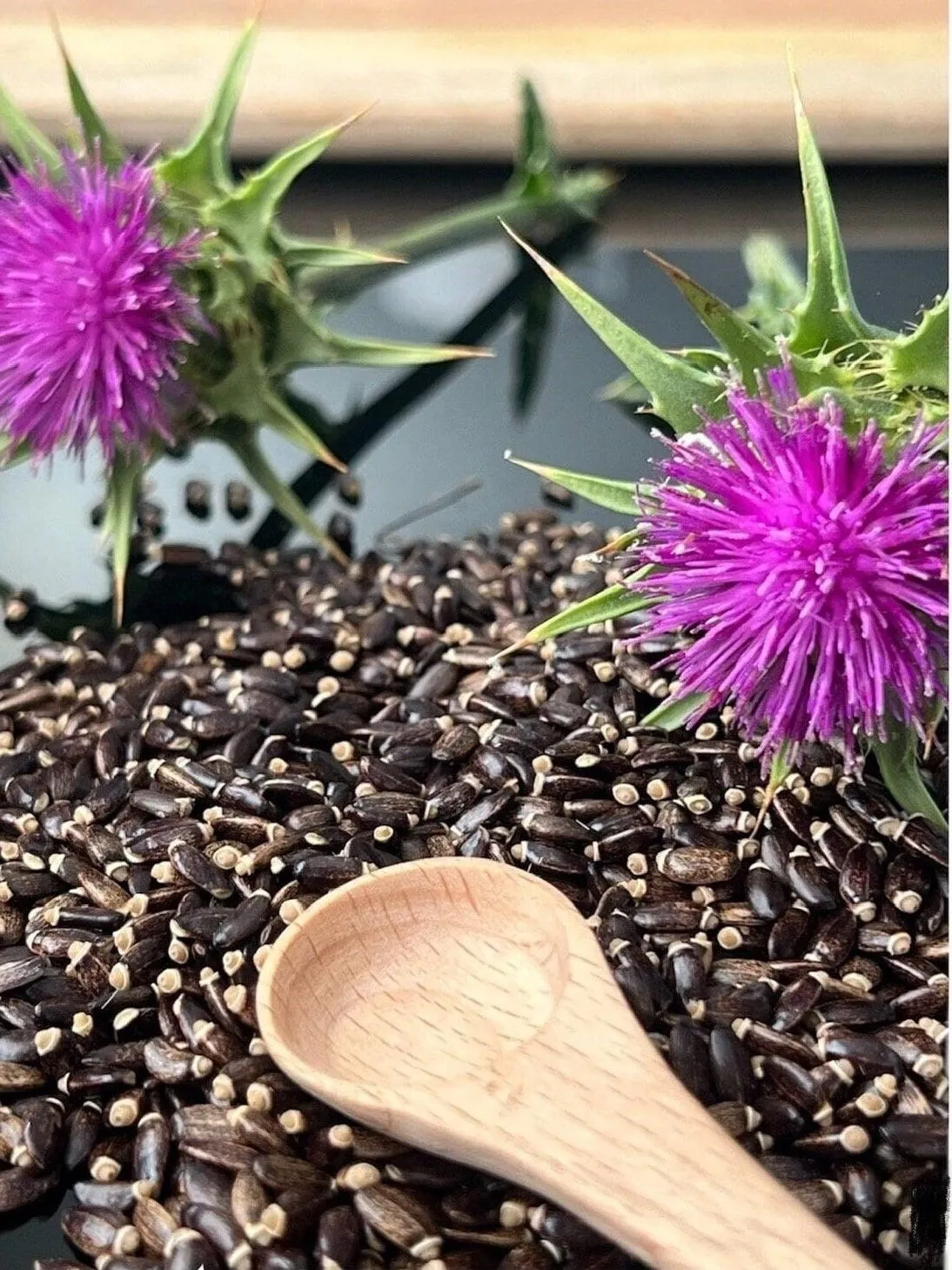
Organic herbs generally cost more because of:
Certified organic cultivation
Lower crop yields
Annual certification audits
Additional documentation
Segregated storage and processing
Businesses targeting premium or clean-label markets often find that the additional investment in organic ingredients aligns with consumer expectations and product positioning.
4. Processing Method
The level of processing also affects pricing.
Examples include:
Whole herbs
Cut and sifted herbs
Powdered herbs
Tea-cut herbs
Standardized extracts
Additional processing requires specialised equipment, labour, and quality controls, increasing production costs.
5. Order Quantity
One of the biggest factors affecting pricing is order volume.
Larger orders generally offer:
Lower unit costs
Reduced packaging expenses
Better freight efficiency
Improved commercial discounts
Businesses with predictable demand often benefit from long-term purchasing agreements.
6. Seasonal Availability
Many herbs are harvested only during specific seasons.
Poor weather conditions, lower harvest yields, or increased demand can significantly affect market prices.
Working with experienced wholesalers helps minimise the impact of seasonal fluctuations through better inventory planning.
7. Packaging Requirements
Packaging influences both product protection and overall procurement costs.
Wholesale suppliers commonly offer:
Food-grade bags
Aluminium foil liners
Fibre drums
Poly-lined cartons
HDPE containers
Vacuum packaging
Custom branding and private-label packaging can also increase costs.
8. International Shipping
Export logistics contribute to the final landed cost.
Pricing may vary depending on:
Shipping method
Destination country
Freight charges
Insurance
Customs clearance
Import duties
Businesses should evaluate total landed costs rather than product prices alone.
What Are the Average Wholesale Prices for Dried Herbs?
One of the most searched questions by buyers is:
"What are the average wholesale prices for dried herbs?"
The reality is that there is no universal wholesale price because costs depend on the factors discussed above. However, buyers can generally expect prices to vary based on:
Rather than comparing suppliers based only on price, businesses should compare the overall value offered, including quality, consistency, certifications, documentation, and logistics support.
Compare Prices of Popular Herbal Products
When comparing wholesale herb prices, businesses should avoid evaluating products solely by cost per kilogram.
Instead, compare:
Botanical origin
Purity
Moisture content
Active compounds (if applicable)
Packaging quality
Batch consistency
Certifications
Supplier reputation
A lower-priced herb may appear attractive initially but can lead to higher production costs if quality issues arise.
Hidden Costs Buyers Often Overlook
Many businesses focus only on supplier quotations while overlooking additional procurement expenses.
Common hidden costs include:
Import Duties
Taxes and duties vary depending on the destination country.
Freight Charges
Ocean freight, air freight, fuel surcharges, and inland transportation all affect total costs.

Storage Costs
Improper inventory planning may increase warehousing expenses.
Quality Issues
Poor-quality herbs can lead to:
Product rejection
Reformulation
Production delays
Increased waste
These hidden costs often outweigh initial price savings.
Should You Buy in Bulk?
For businesses with regular production schedules, bulk purchasing usually offers the best long-term value.
Benefits include:
Better pricing
Stable inventory
Reduced freight costs
Consistent product quality
Stronger supplier relationships
However, businesses should ensure proper storage conditions before purchasing large quantities.
How to Reduce Herbal Procurement Costs
Lower costs don't always mean buying cheaper herbs.
Instead, consider these strategies:
Establish long-term supplier relationships.
Consolidate multiple ingredients into one shipment.
Forecast demand accurately.
Purchase seasonal herbs during harvest periods.
Standardize packaging requirements.
Work with experienced exporters.
These practices often deliver greater savings without sacrificing quality.
Why Price Should Never Be Your Only Decision Factor
The lowest quotation doesn't necessarily represent the best value.
Before choosing a supplier, evaluate:
Product quality
Certifications
Laboratory testing
Traceability
Customer support
Export experience
Packaging quality
Delivery reliability
Consistent quality often reduces manufacturing costs over time by minimizing waste and improving production efficiency.
Why Businesses Choose Damodarr for Wholesale Herbal Products
At Damodarr, we believe wholesale pricing should reflect value, consistency, and long-term reliability rather than simply offering the lowest possible cost.
We work closely with manufacturers, distributors, retailers, and exporters by providing high-quality herbal ingredients supported by transparent pricing and dependable service.
Our customers benefit from:
Competitive wholesale pricing.
Premium-quality herbs sourced from trusted growers.
Flexible order quantities based on business requirements.
Comprehensive Certificates of Analysis.
Export-ready documentation.
Efficient international logistics.
Consistent product quality across every shipment.
Rather than focusing solely on price, we help businesses optimise their total procurement costs through reliable supply, efficient logistics, and long-term sourcing partnerships.
Questions to Ask Before Comparing Wholesale Prices
Before selecting a supplier, ask:
Does the quotation include export packaging?
Are Certificates of Analysis included?
What certifications are available?
What is the minimum order quantity?
Are prices based on FOB or CIF terms?
Are laboratory reports available?
Can pricing be fixed through long-term agreements?
Comparing quotations on an equal basis leads to better purchasing decisions.
Conclusion
Understanding herbal wholesale pricing requires looking beyond the price per kilogram. Factors such as quality, certifications, processing methods, order volume, packaging, and logistics all contribute to the total cost of sourcing herbal ingredients.
Businesses that focus on overall value rather than the lowest quotation often experience better product consistency, fewer supply chain disruptions, and stronger long-term profitability.
At Damodarr, we combine competitive wholesale pricing with rigorous quality assurance, transparent documentation, and global export expertise to help businesses source premium herbal products confidently. Whether you're purchasing dried herbs, botanical ingredients, or herbal extracts, we're committed to providing value that extends far beyond price alone.
Frequently Asked Questions
What affects herbal wholesale pricing?
Wholesale prices depend on herb type, quality grade, organic certification, processing method, packaging, order volume, seasonal availability, and shipping costs.
Are organic herbs more expensive than conventional herbs?
Yes. Organic herbs generally cost more because of certified farming practices, lower yields, additional documentation, and certification requirements.
How can I reduce the cost of buying herbs in bulk?
Consolidate orders, build long-term supplier relationships, purchase larger quantities where practical, and work with experienced exporters who can optimise shipping and logistics.
Should I choose the cheapest herbal supplier?
Not necessarily. Product quality, certifications, testing, consistency, and supplier reliability often provide greater long-term value than the lowest initial price.
Why choose Damodarr for wholesale herbs?
Damodarr offers premium herbal ingredients, transparent pricing, comprehensive quality documentation, export-ready logistics, and consistent supply, helping businesses optimise both quality and procurement costs.