
Introduction
The demand for botanical extracts has grown rapidly across industries such as food and beverages, nutraceuticals, cosmetics, pharmaceuticals, and personal care. As manufacturers continue replacing synthetic ingredients with plant-based alternatives, choosing the right botanical extract supplier has become a critical business decision.
A dependable supplier is more than just a vendor—they become a strategic partner who contributes to product quality, regulatory compliance, supply chain reliability, and business growth. Whether you're sourcing botanical extracts for dietary supplements, skincare products, herbal teas, or functional foods, selecting the right supplier can directly influence the success of your products.
In this guide, we'll discuss the key factors buyers should consider when evaluating botanical extract suppliers and how partnering with an experienced exporter like Damodarr can simplify global sourcing.
What Are Botanical Extracts?
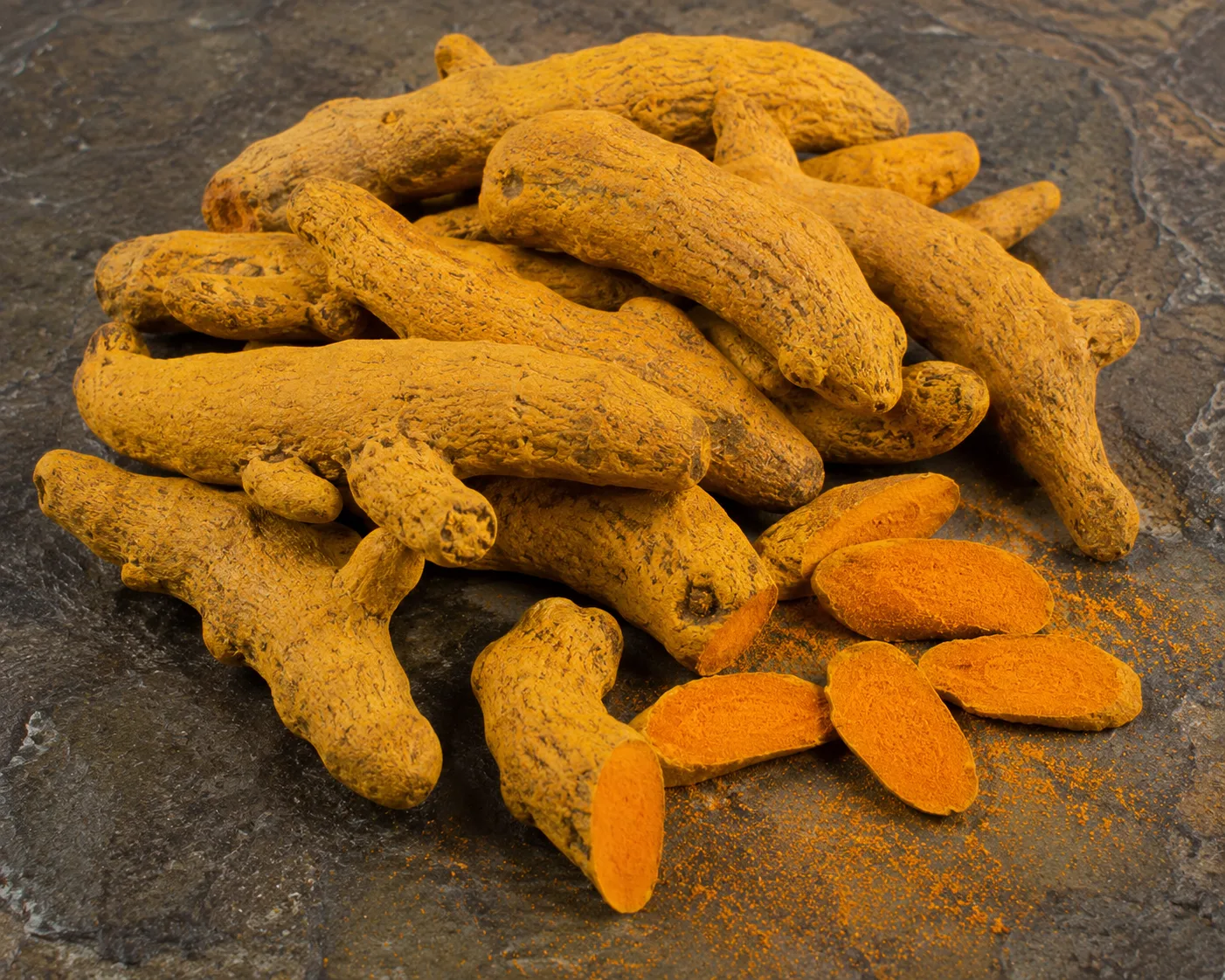
Botanical extracts are concentrated substances derived from plants, including roots, leaves, flowers, seeds, bark, fruits, and herbs. Through specialized extraction methods, manufacturers isolate beneficial phytochemicals that can be incorporated into commercial products.
Botanical extracts are widely used in:
Functional foods
Dietary supplements
Cosmetics
Pharmaceuticals
Herbal beverages
Personal care products
Aromatherapy formulations
They are available in several forms, including powder extracts, liquid extracts, standardized extracts, and oil-based botanical ingredients.
Why Choosing the Right Botanical Extract Supplier Matters
The quality of botanical extracts affects every stage of product development—from manufacturing efficiency to customer satisfaction.
A reliable supplier helps ensure:
Consistent ingredient quality
Reliable supply chain management
Regulatory compliance
Batch-to-batch consistency
Technical documentation
Long-term business continuity
Choosing a supplier solely based on price often results in inconsistent quality, delayed deliveries, and increased production risks.
Start by Defining Your Product Requirements
Before approaching suppliers, prepare detailed product specifications.
Important information includes:
Botanical name
Plant part required
Extract ratio
Standardized active compounds
Powder or liquid extract
Solubility requirements
Organic or conventional
Packaging preferences
Expected order quantities
Clear specifications help suppliers recommend suitable products and provide accurate quotations.
Evaluate Manufacturing Capabilities
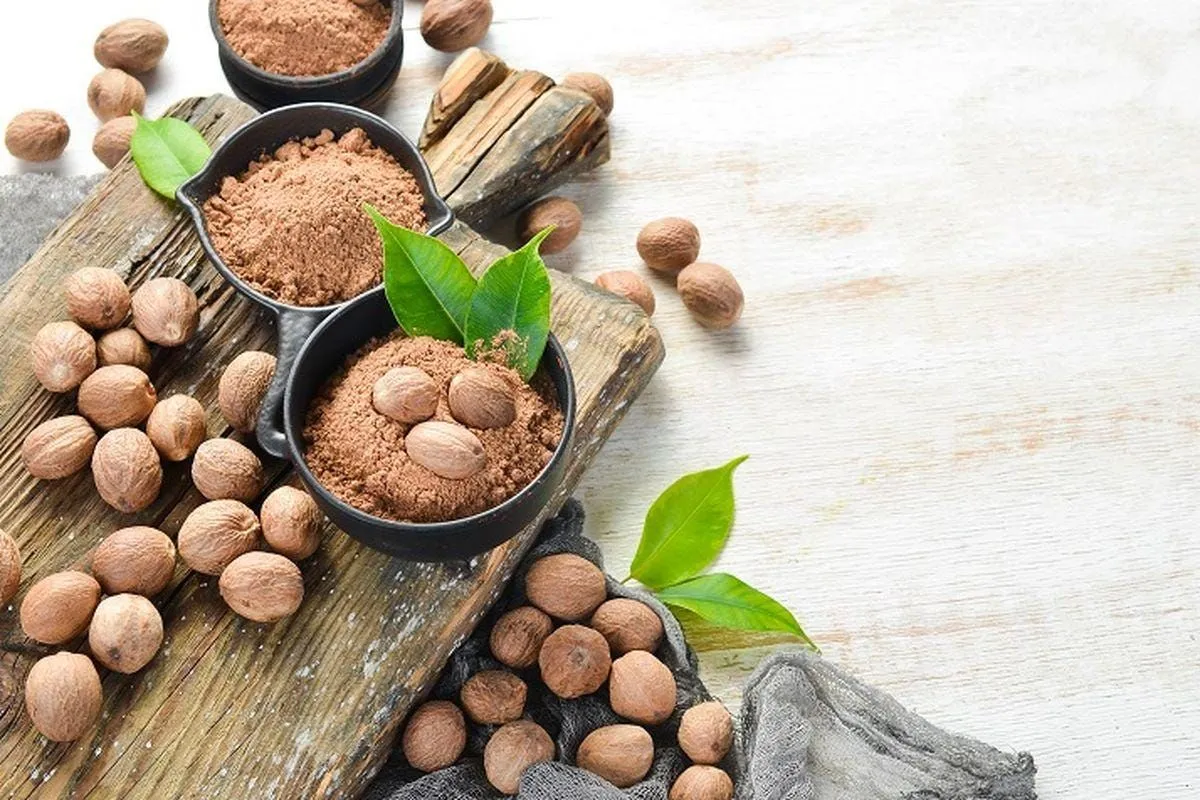
Professional botanical extract manufacturers invest in advanced extraction technologies and standardized production processes.
Look for suppliers with:
Modern Extraction Facilities
Efficient extraction methods preserve active compounds while maintaining product consistency.
Common techniques include:
Water extraction
Ethanol extraction
Hydro-alcoholic extraction
Spray drying
Vacuum concentration
Modern facilities generally deliver higher-quality botanical extracts with better stability.
Production Capacity
As your business grows, your supplier should be able to scale production without compromising quality.
Ask about:
Monthly production capacity
Lead times
Inventory management
Seasonal availability
Custom manufacturing capabilities
A scalable supplier minimizes disruptions and supports long-term growth.
Verify Certifications and Compliance
Certifications demonstrate a supplier's commitment to internationally recognized manufacturing standards.
Key certifications include:
GMP (Good Manufacturing Practices)
Ensures controlled manufacturing environments and standardized production processes.
ISO Certification
Demonstrates effective quality management systems and continuous improvement.
HACCP
Essential for botanical extracts used in food and beverage manufacturing.
Organic Certification
Necessary if your finished products carry organic claims.
Certificate of Analysis (COA)
Every shipment should include batch-specific laboratory reports covering:
Active ingredient levels
Moisture content
Heavy metals
Microbiological analysis
Product specifications
These documents verify product quality before import.
Assess Raw Material Sourcing
The quality of botanical extracts begins long before manufacturing.
Ask suppliers:
Where are raw materials sourced?
Are herbs cultivated or wild-harvested?
How is sustainability maintained?
Are suppliers audited?
Is full traceability available?
Responsible sourcing contributes to consistent product quality and supports environmental sustainability.
Export Experience Matters
International buyers should work with suppliers experienced in export documentation and global logistics.
Reliable exporters understand:
Customs regulations
Country-specific compliance
Shipping documentation
Packaging requirements
Transit planning
Export expertise helps prevent shipment delays and simplifies international procurement.
Evaluate Product Quality Testing
Quality testing should be a routine part of every production batch.
Reliable botanical extract suppliers perform testing for:
Active compounds
Heavy metals
Microbial contamination
Pesticide residues
Moisture content
Identity verification
Request laboratory reports before placing commercial orders.
Packaging Solutions for Global Buyers
Proper packaging protects botanical extracts throughout transportation and storage.
Professional suppliers typically offer:
Food-grade polyethylene bags
Aluminum foil liners
Fiber drums
HDPE containers
Moisture-resistant export packaging
Packaging should preserve product integrity while meeting international shipping standards.
Questions Every Buyer Should Ask
Before selecting a supplier, ask:
Which certifications do you hold?
Can you provide recent COAs?
What testing procedures do you follow?
Do you export internationally?
What are your lead times?
Can products be customized?
What packaging options are available?
How is traceability maintained?
Transparent answers indicate a supplier's professionalism and reliability.
Common Mistakes Buyers Make
Avoid these common sourcing mistakes:
Choosing suppliers based only on price
Ignoring laboratory reports
Not requesting samples
Overlooking certifications
Failing to verify manufacturing capabilities
Underestimating logistics requirements
A structured supplier evaluation process reduces procurement risks and supports long-term business success.
Why Businesses Worldwide Choose Damodarr
Finding the right botanical extract supplier means choosing a partner who values quality, consistency, and long-term relationships.
At Damodarr, we specialize in supplying premium botanical extracts and natural ingredients to manufacturers, distributors, and brands across global markets. Our commitment to quality begins with carefully selected raw materials and extends through every stage of manufacturing, testing, packaging, and export.
Customers choose Damodarr because we offer:
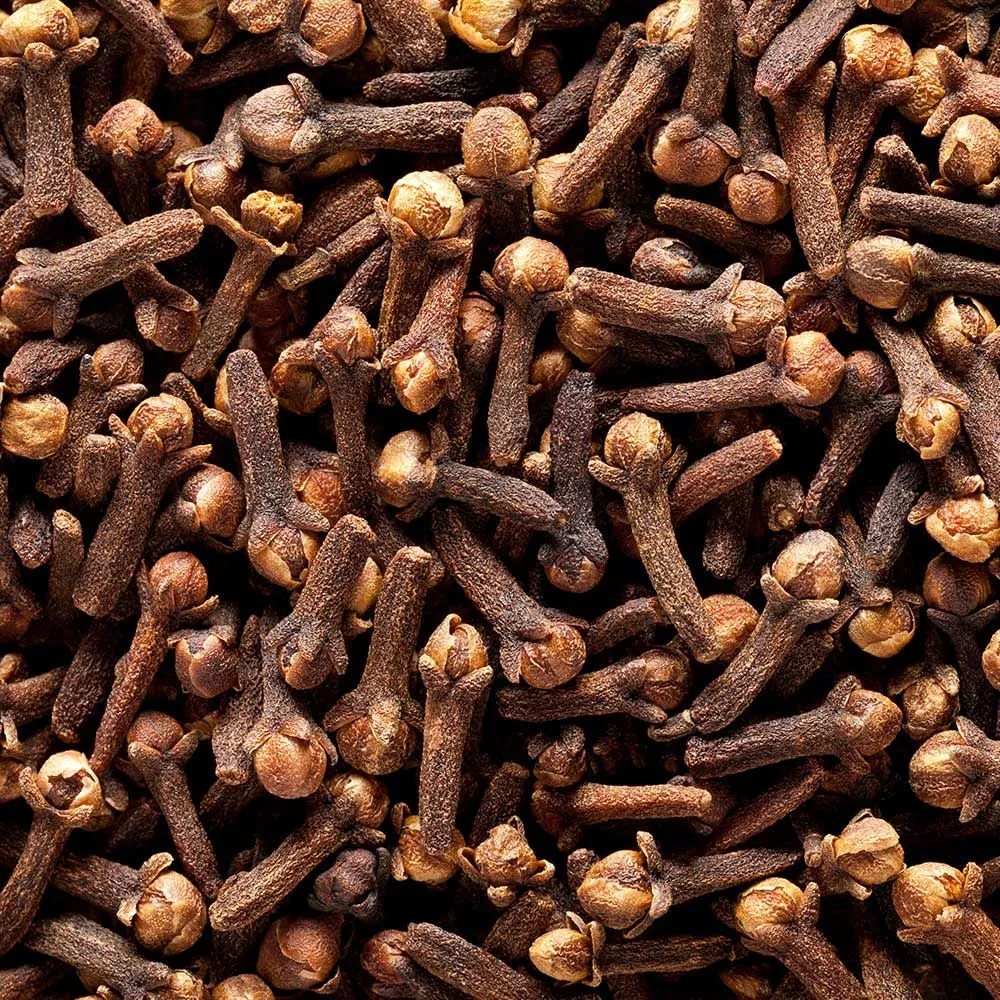
A diverse portfolio of botanical extracts
Strict quality assurance procedures
International export expertise
Comprehensive technical documentation
Consistent product quality
Flexible packaging solutions
Dedicated customer support
Whether you're sourcing ingredients for food, nutraceuticals, cosmetics, or wellness products, we work closely with customers to deliver dependable botanical ingredient solutions tailored to their requirements.
Building Long-Term Supplier Partnerships
Successful businesses view suppliers as strategic partners rather than transactional vendors.
Long-term supplier relationships provide:
Stable pricing
Reliable inventory planning
Consistent quality
Faster communication
Better technical support
Greater flexibility for future product development
Choosing a supplier focused on collaboration can strengthen your entire supply chain.
Conclusion
Selecting a reliable botanical extract supplier involves much more than comparing prices. Buyers should evaluate manufacturing capabilities, certifications, sourcing practices, quality testing, export experience, and customer support before making procurement decisions.
By partnering with an experienced supplier like Damodarr, businesses gain access to premium botanical extracts supported by rigorous quality standards and international export expertise. A trusted supplier not only delivers ingredients but also contributes to the long-term success of your products and business.
Frequently Asked Questions
What should I look for in a botanical extract supplier?
Evaluate certifications, manufacturing capabilities, quality testing, traceability, export experience, and customer support before selecting a supplier.
Why is a Certificate of Analysis (COA) important?
A COA verifies the quality and composition of each production batch, including active compounds, microbiological safety, heavy metal testing, and moisture levels.
Are botanical extracts suitable for multiple industries?
Yes. Botanical extracts are widely used in food, nutraceutical, cosmetic, pharmaceutical, and personal care products.
How can I ensure consistent botanical extract quality?
Work with suppliers that follow GMP and ISO standards, conduct third-party laboratory testing, and provide batch-specific documentation.
Why choose Damodarr for botanical extracts?
Damodarr supplies premium botanical extracts backed by quality assurance, export expertise, comprehensive documentation, and reliable global logistics, making us a trusted partner for businesses worldwide.