
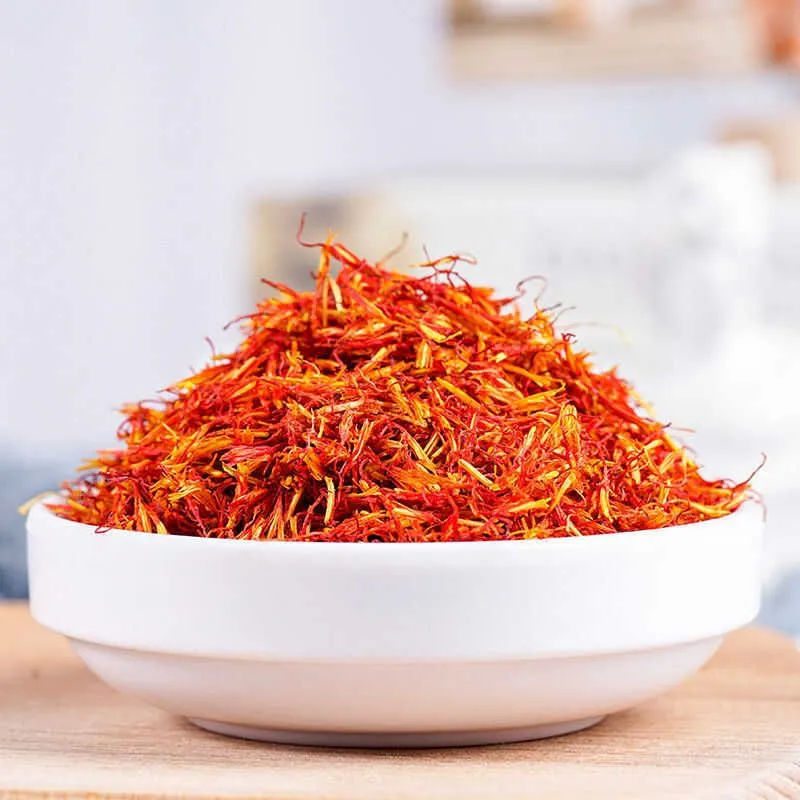
The global herbal products market has experienced remarkable growth over the last decade. As consumers increasingly choose natural ingredients for health, wellness, food, beverages, cosmetics, and personal care, businesses are searching for dependable herbal wholesalers who can provide consistent quality, competitive pricing, and reliable supply.
Whether you're a retailer, herbal tea manufacturer, nutraceutical company, cosmetic brand, or distributor, selecting the right wholesale partner can directly influence your product quality, customer satisfaction, and business profitability.
Unfortunately, not every herbal wholesaler operates to the same standard. Some suppliers compete solely on price, while others invest heavily in quality assurance, sustainable sourcing, advanced processing, and export expertise.
This guide explains how to evaluate herbal wholesalers, the qualities that distinguish reliable suppliers, and why businesses worldwide partner with experienced exporters like Damodarr for premium herbal ingredients.
What Is a Herbal Wholesaler?
A herbal wholesaler purchases, processes, or distributes herbs and botanical ingredients in bulk quantities for commercial buyers.
Unlike retail suppliers, wholesalers serve businesses such as:
Nutraceutical manufacturers
Food and beverage companies
Herbal tea brands
Cosmetic manufacturers
Pharmaceutical companies
Wellness brands
Retail distributors
Private label manufacturers
Depending on their capabilities, wholesalers may supply:
Dried herbs
Herbal extracts
Botanical powders
Herbal teas
Superfoods
Dehydrated fruits and vegetables
Functional food ingredients
A professional wholesaler becomes more than a supplier—they become a strategic sourcing partner.
Why Choosing the Right Herbal Wholesaler Matters
Many businesses initially compare suppliers based on price. While cost is important, it should never be the only deciding factor.
Working with a reliable herbal wholesaler helps ensure:
Consistent ingredient quality
Reliable inventory availability
Batch-to-batch consistency
Faster product development
Fewer production delays
Easier regulatory compliance
Stronger customer confidence
Poor-quality herbs can lead to inconsistent formulations, product complaints, failed quality tests, and reputational damage.
Understand Your Business Requirements First
Before contacting suppliers, clearly define what you need.
Consider:
Which herbs are required?
What form do you need (whole, cut, powder, extract)?
Are organic products required?
What are your expected order volumes?
Which countries will your products be sold in?
Do you require custom packaging?
What certifications are necessary?
The more detailed your requirements, the easier it becomes for suppliers to recommend suitable products and provide accurate quotations.
Evaluate Product Quality
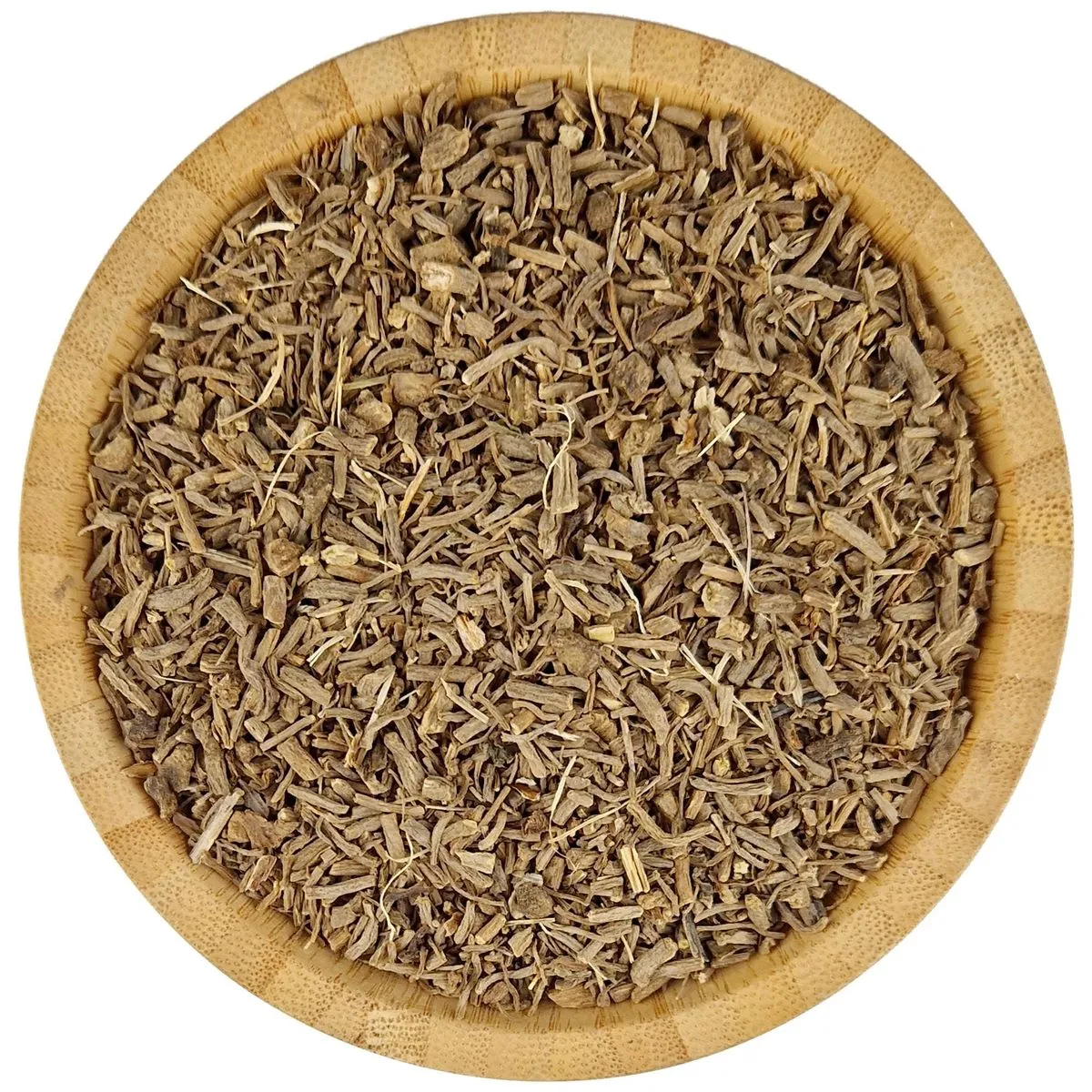
Quality should always be your highest priority when selecting a herbal wholesaler.
Ask suppliers about:
Raw material sourcing
Cleaning processes
Drying methods
Processing standards
Storage facilities
Quality inspections
High-quality herbs should maintain:
Natural colour
Characteristic aroma
Proper moisture levels
Consistent particle size
Freedom from contaminants
Never hesitate to request product samples before placing a commercial order.
Check Certifications and Compliance
A reputable herbal wholesaler should operate according to internationally recognized quality standards.
Important certifications include:
GMP (Good Manufacturing Practices)
Ensures products are manufactured under controlled conditions.
ISO Certification
Confirms standardized quality management systems.
HACCP
Critical for herbs intended for food and beverage applications.
Organic Certification
Necessary if your products are marketed as organic.
Certificate of Analysis (COA)
Each batch should be supported by laboratory reports confirming:
Identity
Purity
Moisture
Microbial safety
Heavy metal levels
Active compounds (where applicable)
These documents provide confidence that products meet agreed specifications.
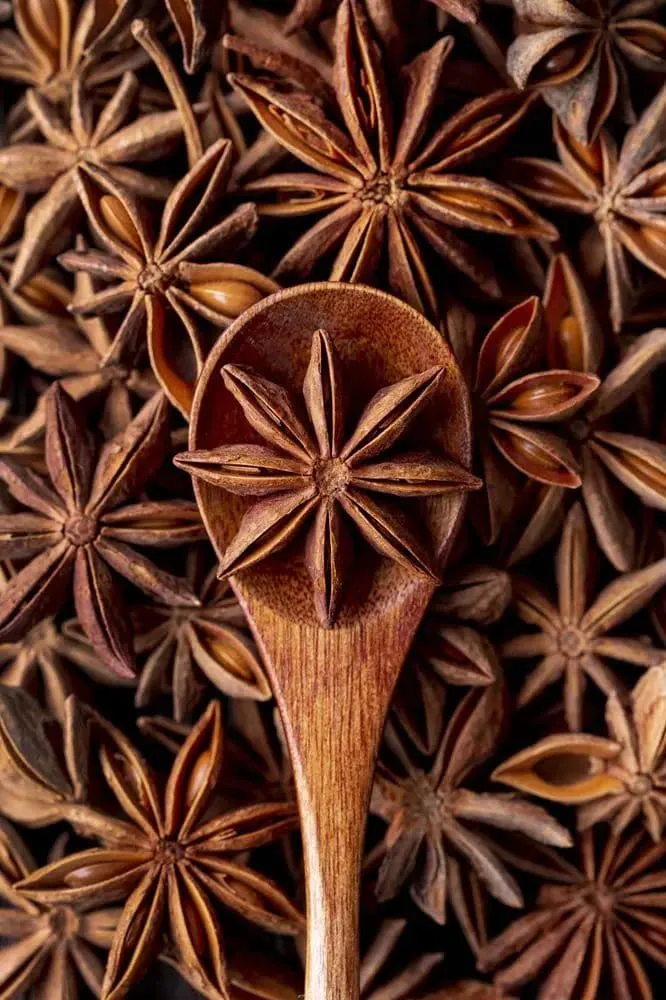
Evaluate the Supplier's Product Range
Businesses often benefit from sourcing multiple ingredients from one supplier.
Look for wholesalers offering products such as:
Dried herbs
Herbal extracts
Botanical extracts
Herbal teas
Superfoods
Plant powders
Spice ingredients
Functional food ingredients
Working with a single supplier simplifies procurement, inventory management, and logistics.
Ask About Minimum Order Quantities (MOQ)
Every wholesaler has different minimum order requirements.
Ask:
What is the standard MOQ?
Are trial orders available?
Do prices improve with larger quantities?
Can mixed-product shipments be arranged?
Flexible MOQs are particularly valuable for startups and businesses launching new product lines.
Review Packaging Options
Proper packaging protects herbs throughout storage and international transportation.
Professional wholesalers commonly offer:
Food-grade poly bags
Aluminium foil liners
Fibre drums
HDPE containers
Vacuum packaging
Private label packaging
Quality packaging preserves freshness and extends shelf life.
Consider Export Experience
If you're importing herbs internationally, choose a wholesaler with export expertise.
Experienced exporters understand:
Customs documentation
International shipping
Country-specific regulations
Product labeling
Incoterms
Export packaging
This reduces delays and simplifies cross-border procurement.
Assess Communication and Customer Support
Strong communication often distinguishes exceptional suppliers from average ones.
Reliable wholesalers should:
Respond promptly
Provide technical documentation
Answer product questions clearly
Offer order updates
Resolve issues efficiently
A supplier's responsiveness before the sale often reflects the support you'll receive afterward.
Questions Every Buyer Should Ask
Before selecting a wholesaler, ask:
Where are your herbs sourced?
Which certifications do you maintain?
Can you provide recent COAs?
What testing procedures do you follow?
What is your MOQ?
Do you export internationally?
Can products be customized?
What packaging options are available?
What are your lead times?
These questions help identify suppliers committed to transparency and quality.
Common Mistakes Businesses Make
Avoid these common sourcing mistakes:
Choosing Based Only on Price
The cheapest supplier rarely provides the best long-term value.
Ignoring Quality Documentation
Always request Certificates of Analysis and quality certifications.
Not Requesting Samples
Evaluate product quality before placing large orders.
Overlooking Export Experience
International logistics require expertise and planning.
Ignoring Customer Service
Poor communication can create unnecessary procurement delays.
Why Businesses Worldwide Choose Damodarr
At Damodarr, we understand that businesses require more than just herbal products—they need a reliable partner who can support consistent quality, efficient logistics, and long-term growth.
With years of experience supplying premium herbs, botanical ingredients, herbal extracts, superfoods, and dehydrated products to international markets, we help manufacturers, distributors, and retailers simplify their sourcing process.
Businesses choose Damodarr because we provide:
A wide portfolio of premium herbal products
Carefully sourced raw materials
Strict quality assurance and batch testing
Export-ready documentation
Flexible packaging solutions
Reliable international logistics
Responsive customer support
Long-term sourcing partnerships
Whether you're purchasing dried herbs, botanical ingredients, or herbal extracts, our focus remains on delivering consistent quality backed by dependable service.
Building Long-Term Supplier Relationships
Successful procurement is about building partnerships rather than placing one-time orders.
Long-term relationships often provide:
Better pricing
Priority production
Stable inventory
Faster communication
Improved forecasting
Consistent quality
Product development support
A trusted wholesaler becomes an extension of your own supply chain.
Conclusion
Choosing the right herbal wholesaler is one of the most important decisions for businesses that rely on natural ingredients. While competitive pricing is valuable, factors such as quality assurance, certifications, traceability, export capabilities, and customer support should carry equal weight.
By evaluating suppliers carefully and building relationships with experienced partners, businesses can secure reliable access to high-quality herbal products that support long-term growth.
At Damodarr, we are committed to helping businesses source premium herbal ingredients with confidence through rigorous quality standards, global export expertise, and customer-focused service. Whether you're a growing startup or an established manufacturer, we aim to be a trusted wholesale partner for your herbal sourcing needs.
Frequently Asked Questions
How do I choose a reliable herbal wholesaler?
Look for wholesalers with strong quality systems, international certifications, transparent sourcing practices, laboratory testing, export experience, and responsive customer support.
What products do herbal wholesalers supply?
Most herbal wholesalers supply dried herbs, herbal extracts, botanical powders, herbal teas, superfoods, spices, and functional food ingredients for commercial buyers.
What certifications should a herbal wholesaler have?
Common certifications include GMP, ISO, HACCP, Organic Certification (where applicable), and batch-specific Certificates of Analysis.
Can small businesses purchase from herbal wholesalers?
Yes. Many wholesalers offer flexible minimum order quantities, allowing startups and SMEs to purchase commercial quantities without committing to extremely large orders.
Why choose Damodarr as your herbal wholesaler?
Damodarr supplies premium herbal ingredients supported by rigorous quality assurance, export-ready documentation, flexible packaging, and reliable global logistics, making us a trusted sourcing partner for businesses worldwide.