
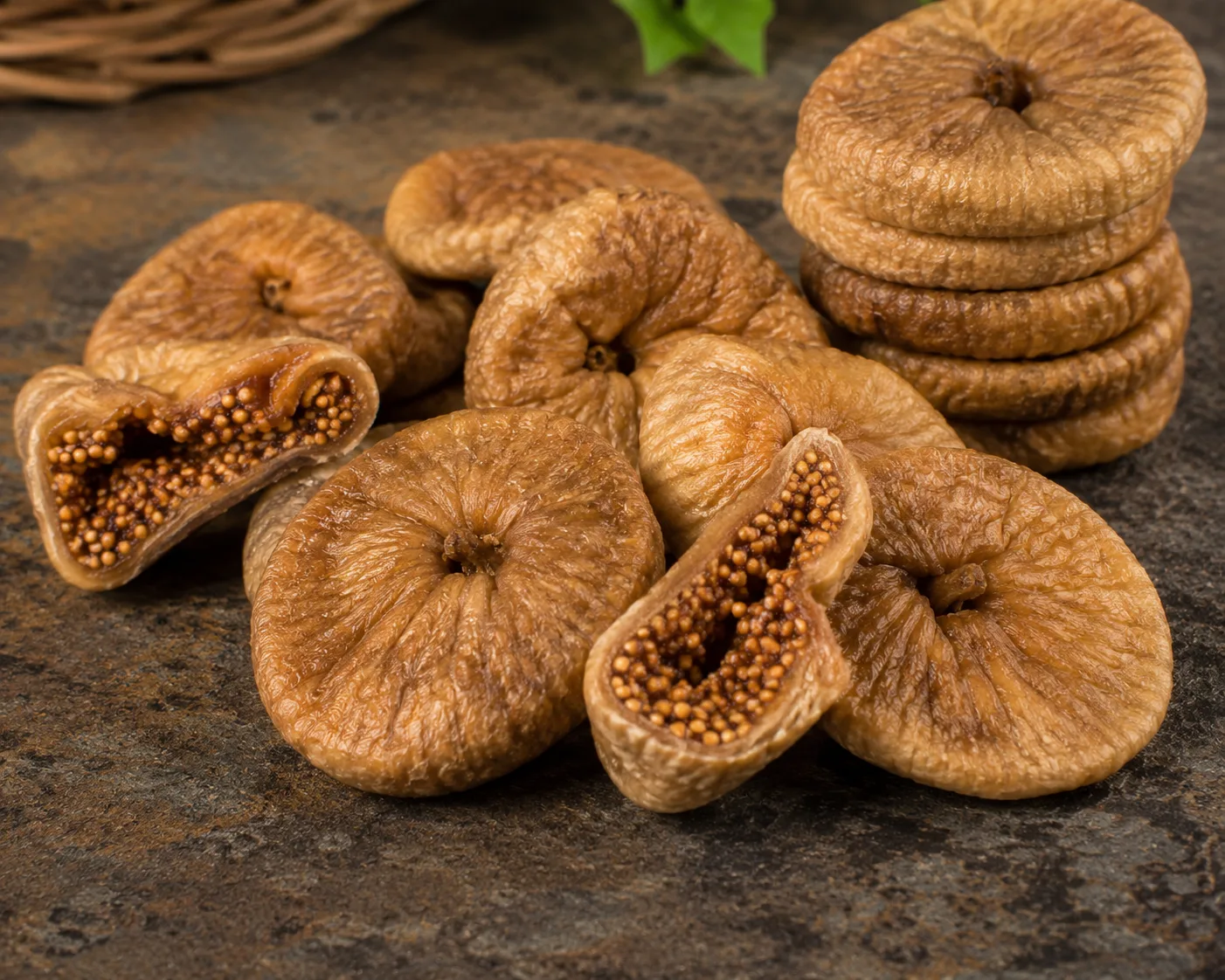
When businesses search for the largest producer of dry fruits, the answer isn't as simple as naming one country.
Dry fruits are not a single agricultural commodity. The global market includes dates, raisins, figs, apricots, prunes, dried mango, dried pineapple, dried banana, dried berries, and many other products. Different countries lead different categories, while some countries are particularly important because of their processing and export capabilities.
For buyers, therefore, the more useful question is not simply "Which country produces the most dry fruits?" but:
Which country can consistently supply the type of dried fruit, quality, quantity, documentation, and pricing that my business requires?
This distinction is particularly important for manufacturers, wholesalers, importers, distributors, and food brands sourcing dried fruit internationally.
Which Country Is the Largest Producer of Dry Fruits?
There is no single country that is the largest producer of every type of dried fruit.
Production leadership depends heavily on the specific fruit.
For example, countries such as China, Turkey, Iran, the United States, India, Egypt, Saudi Arabia, Uzbekistan, and Chile are significant producers or suppliers across different dried-fruit categories.
The global landscape can therefore be better understood by looking at individual products rather than treating all dry fruits as one commodity.
Major Dry Fruit Producing Countries
Turkey
Turkey is particularly well known for dried fruits, especially:
Dried grapes and raisins
Dried apricots
Dried figs
Its established processing and export industry makes it an important supplier to international markets.
United States
The United States has a significant dried-fruit industry, particularly in California.
Important products include:
Raisins
Prunes
Dried apricots
Other processed fruit products
California's agricultural infrastructure and established food-processing sector support large-scale commercial production.
Iran
Iran has historically been an important producer and exporter of several dried fruits, including:
Raisins
Dates
Figs
Apricots
Its geographic conditions are suitable for cultivating several fruits that are commonly processed through drying.
China
China is one of the world's major agricultural producers and has a substantial fruit-processing sector.
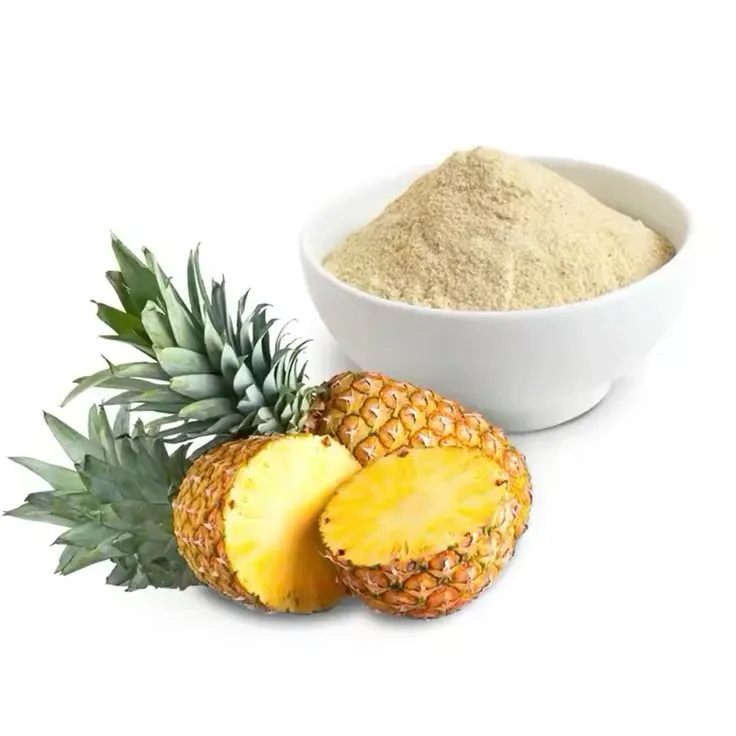
Its dried-fruit supply includes various fruits and processed fruit ingredients, making it relevant to global buyers seeking large-scale supply.
India
India has a particularly interesting position in the dried-fruit and dehydrated-fruit market.
The country's large agricultural sector provides access to a wide range of fruits, while its food-processing industry supports commercial dehydration and export.
Products supplied from India can include:
Dehydrated mango
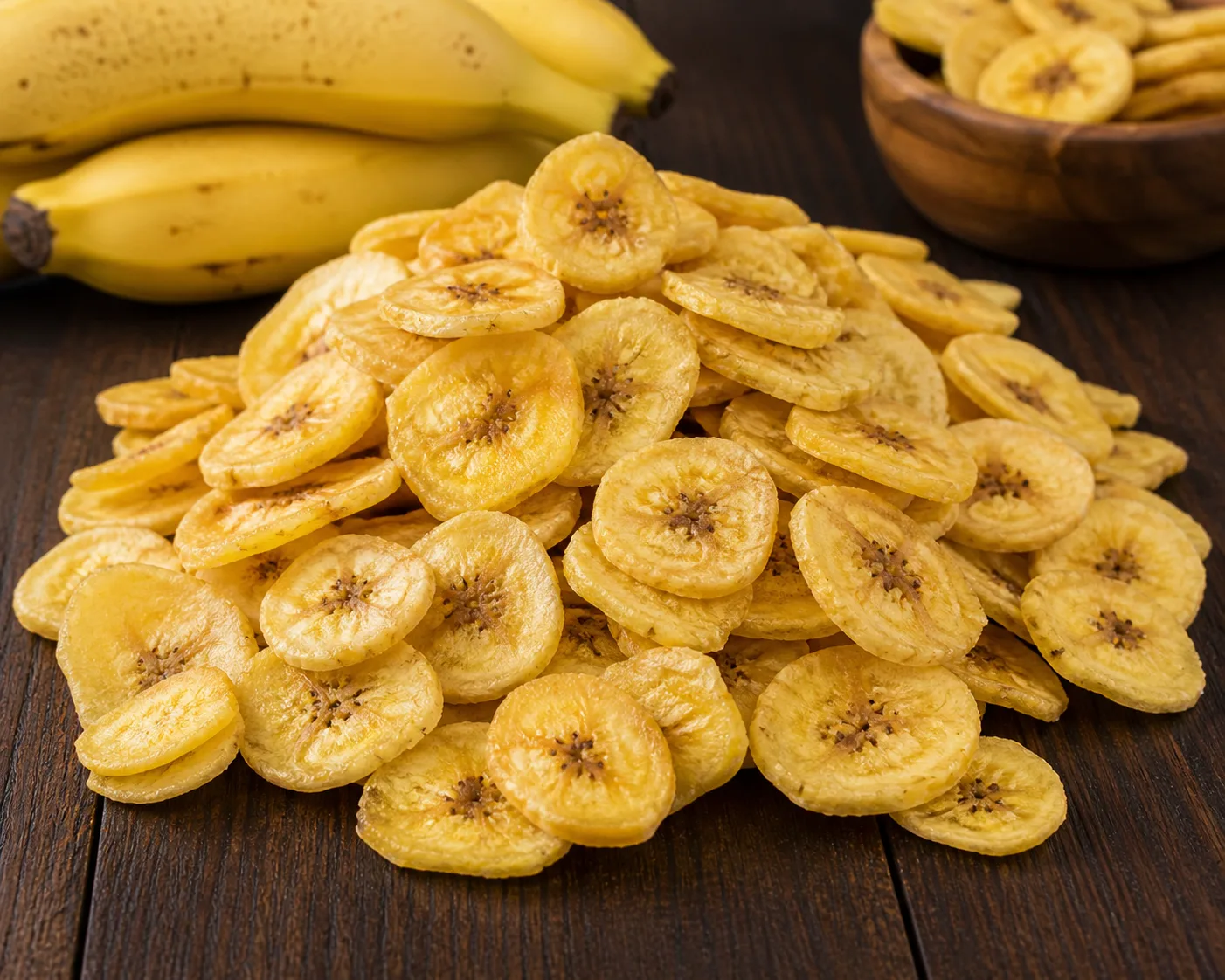
Dehydrated banana
Dehydrated pineapple
Dehydrated papaya
Dehydrated coconut
Dried berries
Raisins
Other fruit ingredients
India's advantage isn't necessarily that it produces the largest quantity of every dried fruit. Its strength lies in its diverse agricultural base, processing capabilities, and ability to supply a broad range of fruit ingredients.
Who Is the World's Largest Producer of Dried Fruits?
The answer depends on what is being measured.
There is an important distinction between:
Fresh Fruit Production
The amount of fresh fruit harvested before processing.
Dried Fruit Production
The amount of fruit converted into dried or dehydrated products.
Export Volume
The quantity of dried fruit shipped internationally.
Export Value
The monetary value of international dried-fruit trade.
A country can rank highly in fresh fruit production without being the largest exporter of dried fruit.
Similarly, a country can import raw materials, process them, and become an important exporter of finished dried fruit products.
For B2B buyers, export capability can be more relevant than overall agricultural production.
Which Country Is the Biggest Supplier of Dry Fruits?
Again, there isn't one universal answer.
The biggest supplier depends on the product and destination market.
For example, a buyer looking for raisins may evaluate different countries than a manufacturer looking for dehydrated mango or dried figs.
When comparing international suppliers, businesses should evaluate:
Product availability
Production capacity
Processing technology
Quality standards
Certifications
Export history
Packaging
MOQ
Pricing
Shipping options
This approach provides a much more accurate picture than simply choosing the country with the highest production volume.
Which Country Is Best for Dry Fruits?
There is no objectively "best" country for every dried fruit.
The right sourcing country depends on your specific requirements.
For example, a bakery purchasing bulk dried fruit may prioritize consistent cut size and moisture specifications, while a retail brand may prioritize appearance, packaging, certifications, and consumer-facing quality.
What Is the "King of Dry Fruits"?
The phrase "king of dry fruits" is commonly used in consumer and food marketing, but it does not represent an official classification.
Different markets use the term for different products.
Dates, almonds, raisins, walnuts, and other premium dry fruits may be described this way depending on the context.
For B2B sourcing, however, such labels are less useful than measurable characteristics such as:
Product grade
Origin
Moisture
Purity
Size
Processing method
Microbiological specifications
Certification
Shelf life
Production Country vs Sourcing Partner
One of the biggest mistakes businesses make is assuming that the country producing the most fruit automatically offers the best supplier.
That's not necessarily true.
A successful international sourcing partner should provide:
Consistent Supply
Your supplier should have reliable access to raw materials and sufficient processing capacity.
Quality Control
Every batch should meet agreed specifications.
Documentation
International buyers may require:
Certificate of Analysis
Certificate of Origin
Phytosanitary documentation where applicable
Commercial invoice
Packing list
Other destination-specific documents
Export Experience
International food ingredient shipments involve more than manufacturing. Proper documentation, packaging, logistics, and regulatory compliance are equally important.
Why India Is Important for Global Dried Fruit Buyers
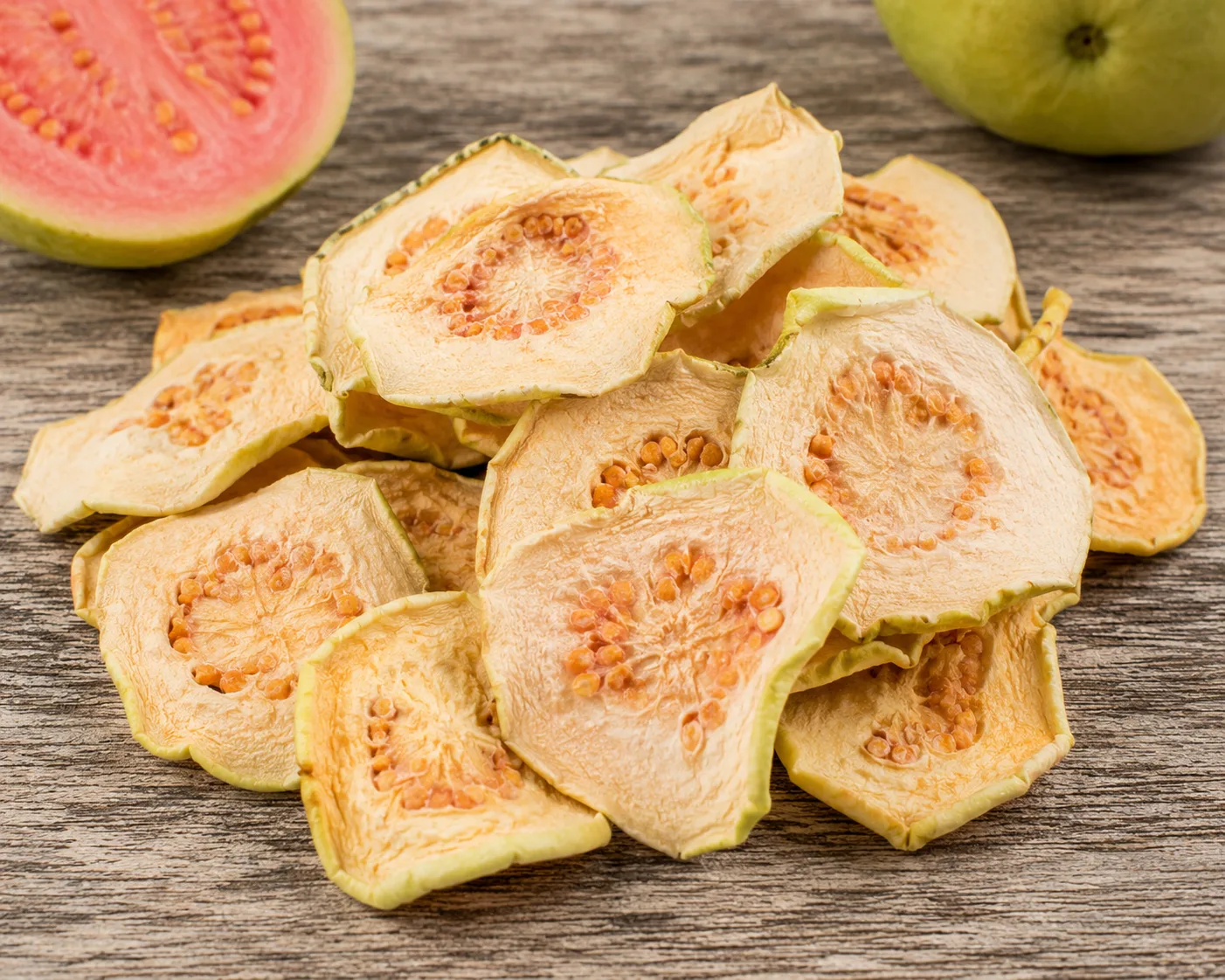
India's position in the global dried and dehydrated fruit market is supported by its agricultural diversity and growing food-processing capabilities.
Indian suppliers can provide a variety of fruit ingredients for:
Bakeries
Breakfast cereals
Snack manufacturers
Confectionery
Dairy products
Food processors
Nutraceutical companies
Beverage manufacturers
The ability to source multiple ingredients from one country can simplify procurement for international businesses.
Why Businesses Source Dried & Dehydrated Fruits from Damodarr
For international buyers, the country of origin is only one part of the sourcing decision. The supplier's ability to consistently meet commercial specifications is equally important.
Damodarr supplies dried and dehydrated fruit ingredients to businesses seeking reliable bulk sourcing solutions.
Our approach focuses on:
Consistent product quality
Carefully selected raw materials
Food-grade processing
Product-specific specifications
Quality documentation
Bulk supply capabilities
Export-ready packaging
International shipping support
For manufacturers and distributors, this means working with a supplier that understands the requirements of commercial ingredient sourcing rather than simply selling consumer-sized dry fruits.
How to Choose the Right Country and Supplier
Before placing a bulk order, compare potential suppliers using the following checklist:
1. Product Availability
Can they consistently supply the specific fruit you need?
2. Product Specifications
Do their moisture, size, colour, and purity specifications match your requirements?
3. Quality Testing
Can they provide relevant laboratory reports and Certificates of Analysis?
4. Certifications
Do they maintain the certifications required for your target market?
5. Production Capacity
Can they handle your current and projected volumes?
6. Packaging
Can they provide packaging suitable for your storage and transportation requirements?
7. Export Documentation
Can they provide the documents required for your destination country?
8. Total Landed Cost
Don't compare only the supplier's price per kilogram. Consider:
Product Cost + Packaging + Freight + Duties + Customs + Other Import Costs
This gives you a more realistic procurement figure.
What Should Businesses Consider When Importing Dry Fruits?
International buyers should assess several factors before finalizing a supplier.
These include:
Country of origin
Harvest season
Product grade
Processing method
Moisture content
Shelf life
Packaging
Minimum order quantity
Certifications
Laboratory testing
Import regulations
Freight costs
Lead times
A reliable supplier should be able to explain these factors clearly rather than simply providing a price quotation.
Conclusion
So, who is the largest producer of dry fruits?
There isn't one universal answer.
Different countries lead different dried-fruit categories, while production, processing, and export rankings can tell very different stories. For international buyers, the better approach is to identify the country and supplier capable of delivering the right product, quality, volume, documentation, and total landed cost for their business.
India is an important sourcing destination because of its diverse agricultural resources, growing food-processing industry, and ability to supply a broad range of dried and dehydrated fruit ingredients.
For businesses looking for a dependable Indian sourcing partner, Damodarr provides bulk dried and dehydrated fruit solutions backed by quality-focused processing, export documentation, and international supply capabilities.
Frequently Asked Questions
Who is the largest producer of dry fruits?
There is no single global leader for every type of dry fruit. Production leadership varies by product, with different countries specializing in products such as raisins, dates, figs, prunes, apricots, and dehydrated tropical fruits.
Which country is best for dry fruits?
The best sourcing country depends on the specific product, quality requirements, price expectations, certifications, volume, and destination market.
Who is the world's largest producer of dried fruits?
The answer varies according to the fruit and whether production, processing, export volume, or export value is being measured.
Which country is the biggest supplier of dry fruits?
Supplier leadership varies by dried-fruit category and destination market. Buyers should compare individual suppliers rather than relying only on country-level rankings.
What is the "king of dry fruits"?
"King of dry fruits" is a popular marketing expression rather than an official classification. Different markets use the term for different dry fruits.
Why source dried fruits from India?
India offers diverse agricultural production, food-processing capabilities, competitive sourcing opportunities, and access to a broad range of dried and dehydrated fruit ingredients.