
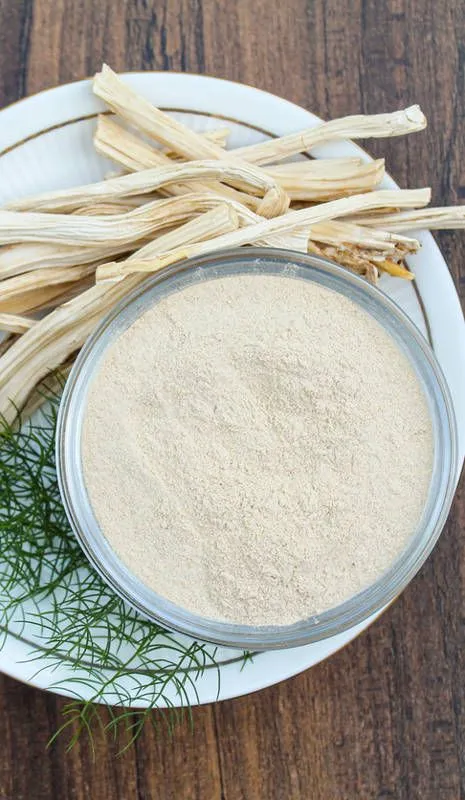
The global demand for organic herbs has surged as consumers increasingly seek clean-label, plant-based, and sustainably sourced products. From herbal teas and dietary supplements to cosmetics, pharmaceuticals, and functional foods, businesses are looking for trusted organic bulk herb suppliers who can deliver premium-quality ingredients at wholesale prices.
For manufacturers, retailers, distributors, and private-label brands, sourcing herbs in bulk is about much more than reducing costs. It requires selecting a supplier that can consistently provide certified organic products, maintain strict quality standards, and ensure reliable deliveries throughout the year.
Whether you're launching a new herbal product line or expanding an existing one, understanding how to evaluate organic herb wholesalers can help you avoid costly sourcing mistakes while building a dependable supply chain.
In this guide, we'll cover everything you need to know about buying herbs in bulk—from certifications and quality testing to pricing, storage, and choosing the right wholesale partner.
Why Businesses Buy Organic Herbs in Bulk
Bulk purchasing has become the preferred sourcing strategy for businesses that require a consistent supply of herbal ingredients.
Some of the key advantages include:
Lower cost per unit
Stable inventory levels
Better supplier relationships
Reduced shipping costs
Improved production planning
Greater consistency across batches
Businesses that regularly manufacture herbal products often benefit from long-term wholesale agreements, ensuring reliable availability even during seasonal fluctuations.
What Are Organic Bulk Herbs?
Organic bulk herbs are dried herbs or plant materials cultivated according to certified organic farming practices and sold in commercial quantities.
Unlike conventionally grown herbs, organic herbs are produced without the use of prohibited synthetic pesticides, fertilizers, or genetically modified organisms (GMOs).
Depending on your business requirements, organic herbs may be available as:
Whole herbs
Cut and sifted herbs
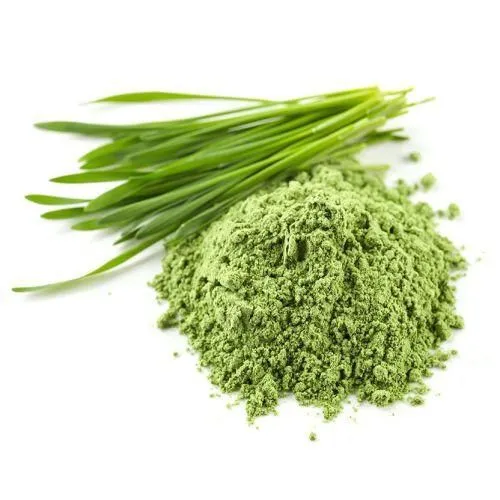
Herbal powders
Botanical powders
Tea-cut herbs
Organic herbal extracts
Botanical ingredients
These products are commonly used in manufacturing rather than direct retail sales.
Industries That Source Organic Bulk Herbs
Organic herbs serve a wide range of industries.
Nutraceutical Manufacturers
Manufacturers use organic herbs in capsules, powders, tablets, and dietary supplements designed for health and wellness applications.
Herbal Tea Companies
Tea brands rely on premium organic herbs for creating caffeine-free blends, wellness teas, and specialty infusions.
Popular herbs include:
Chamomile
Peppermint
Lemongrass
Hibiscus
Tulsi
Ginger
Food & Beverage Industry
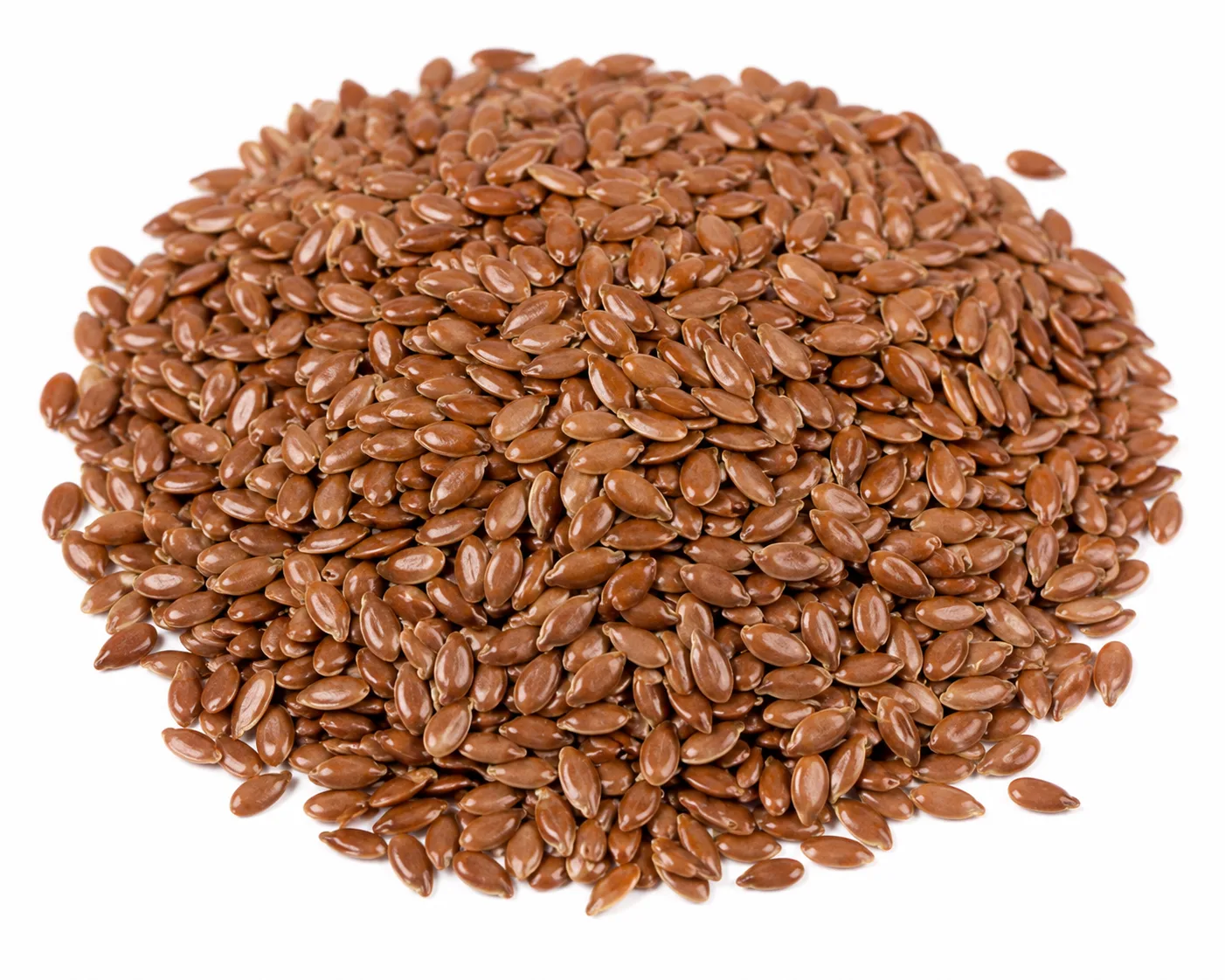
Organic herbs are widely incorporated into:
Functional foods
Seasonings
Spice blends
Ready-to-drink beverages
Natural flavouring systems
Cosmetic & Personal Care Brands
Botanical ingredients are increasingly used in:
Face creams
Body lotions
Haircare products
Herbal soaps
Natural skincare formulations
Pharmaceutical Companies
Many traditional and herbal formulations require carefully sourced botanical ingredients that meet strict quality standards.
What to Look for in Organic Bulk Herb Suppliers
Selecting the right supplier requires careful evaluation beyond pricing alone.
Certified Organic Products
The supplier should provide recognized organic certifications applicable to your target market.
These certifications help verify that herbs have been cultivated, processed, and handled according to organic production standards.
Always request copies of current certifications before placing an order.
Product Quality
Premium organic herbs should demonstrate:
Natural colour
Fresh aroma
Proper moisture content
Minimal foreign matter
Consistent particle size
Excellent cleanliness
Request product samples whenever possible to evaluate quality firsthand.
Quality Testing
Reliable suppliers perform extensive laboratory testing before products leave the facility.
Testing commonly includes:
Microbiological analysis
Heavy metal screening
Pesticide residue testing
Moisture analysis
Identity verification
A recent Certificate of Analysis (COA) should accompany every production batch.
Traceability
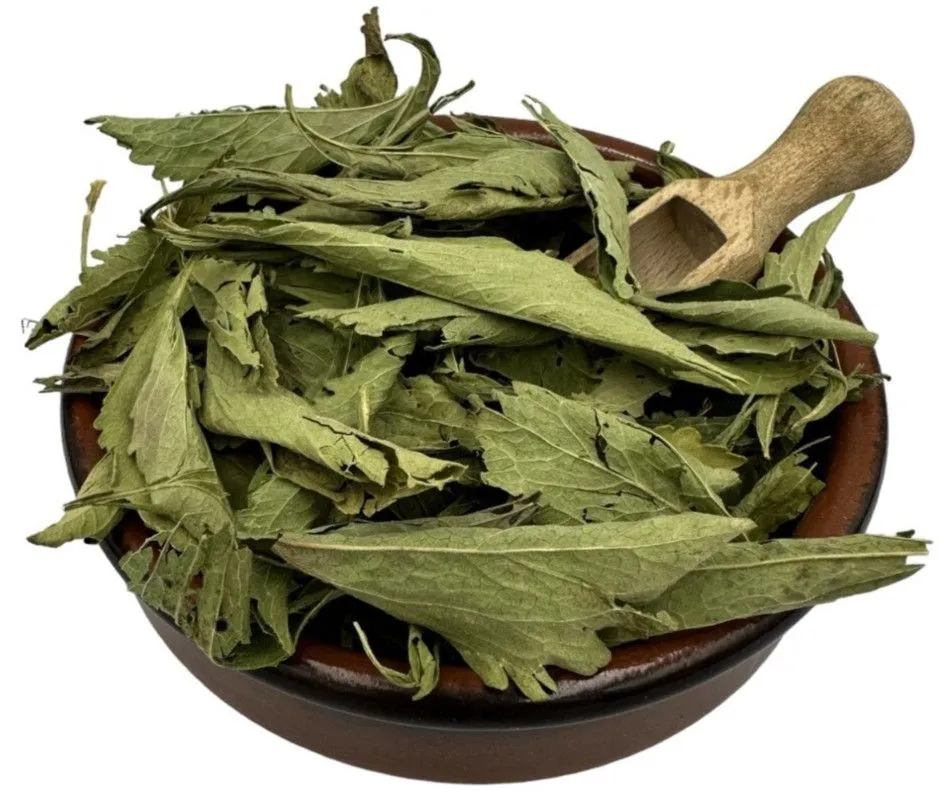
Modern buyers increasingly require complete traceability throughout the supply chain.
Ask suppliers whether they can identify:
Farm of origin
Harvest dates
Batch numbers
Processing records
Laboratory testing history
Traceability improves transparency while supporting regulatory compliance.
Understanding Minimum Order Quantities (MOQ)
Minimum Order Quantity (MOQ) refers to the smallest quantity a supplier is willing to sell.
MOQs vary depending on:
Herb type
Packaging requirements
Organic certification
Processing requirements
Export destination
Some suppliers offer trial quantities for new customers, while larger wholesale buyers often receive better pricing through higher-volume purchases.
Discuss MOQ flexibility before finalizing your supplier.
Factors That Influence Organic Herb Pricing
Many buyers expect organic herbs to cost more than conventional alternatives, but understanding the reasons behind pricing helps businesses make better purchasing decisions.
Several factors influence wholesale prices.
Seasonal Availability
Certain herbs are harvested only during specific seasons, affecting supply and pricing throughout the year.
Farming Practices
Certified organic cultivation requires greater attention to soil health, weed management, and certification compliance, increasing production costs.
Processing Requirements
Cleaning, drying, cutting, milling, and packaging all contribute to final pricing.
Order Volume
Higher purchase volumes generally reduce unit costs and shipping expenses.
Export Logistics
Freight, customs documentation, and destination markets also influence total procurement costs.
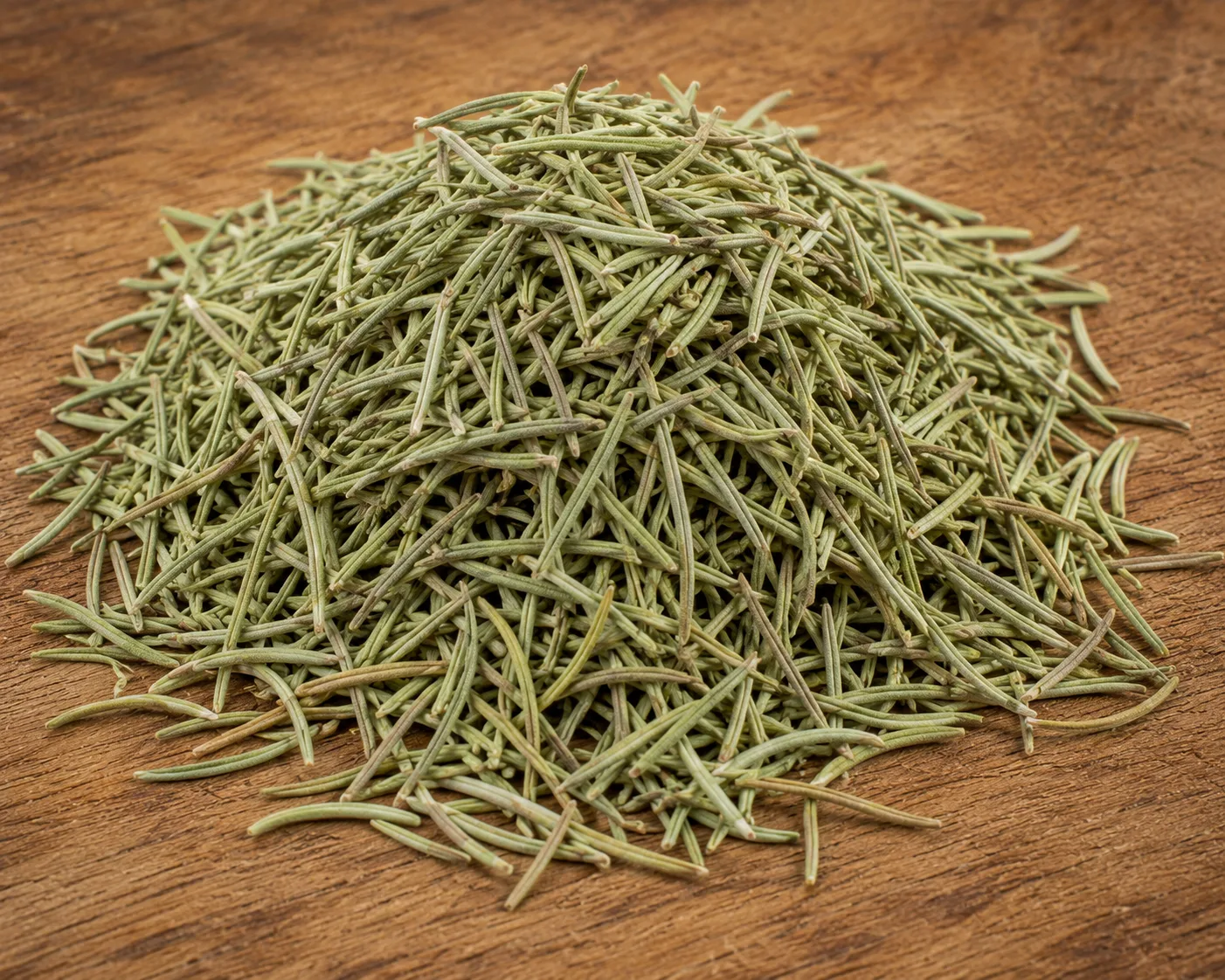
Storage Best Practices
Proper storage protects product quality and extends shelf life.
Organic herbs should be stored:
In cool, dry environments
Away from direct sunlight
In moisture-resistant packaging
At stable temperatures
In clean warehouse conditions
Following recommended storage practices helps preserve aroma, colour, and overall product integrity.
Common Mistakes Buyers Should Avoid
Many procurement issues can be prevented through better supplier evaluation.
Avoid these common mistakes.
Buying Based Only on Price
Low-cost herbs may not meet quality expectations or regulatory requirements.
Ignoring Certifications
Never assume products are organic without reviewing valid certification documents.
Failing to Request Samples
Samples allow buyers to assess quality before committing to commercial orders.
Overlooking Export Experience
International buyers should work with suppliers familiar with customs regulations and documentation.
Not Verifying Laboratory Reports
Certificates of Analysis provide confidence in product quality and safety.
Why Businesses Choose Damodarr for Organic Bulk Herbs
At Damodarr, we understand that businesses require more than competitive pricing—they need a dependable wholesale partner capable of delivering premium-quality botanical ingredients consistently.
Our approach combines carefully sourced raw materials with stringent quality management practices, ensuring customers receive products that meet international expectations.
Businesses choose Damodarr because we offer:
A broad range of organic and conventional herbal ingredients
Comprehensive quality assurance and laboratory testing
Export-ready documentation, including Certificates of Analysis
Flexible packaging solutions for wholesale buyers
Reliable international logistics
Consistent product quality across batches
Dedicated customer support throughout the sourcing process
Whether you're manufacturing herbal teas, nutraceuticals, food products, or cosmetics, we work closely with our customers to provide reliable wholesale solutions that support long-term business growth.
Questions to Ask Before Choosing an Organic Bulk Herb Supplier
Before selecting a supplier, ask:
Which organic certifications do you maintain?
Can you provide recent Certificates of Analysis?
What is your standard MOQ?
Do you perform third-party laboratory testing?
How are products packaged for export?
Which countries do you currently supply?
What are your lead times?
How do you maintain batch consistency?
These questions help identify suppliers committed to transparency, quality, and long-term partnerships.
Building a Long-Term Wholesale Partnership
The best supplier relationships extend beyond individual purchase orders.
Long-term partnerships provide:
Consistent product quality
Stable pricing
Priority production scheduling
Improved inventory planning
Better communication
Reliable technical support
As your business grows, working with a trusted supplier becomes increasingly valuable.
Conclusion
Finding the right organic bulk herb supplier is about balancing quality, certifications, pricing, and reliability. Businesses that carefully evaluate suppliers and establish long-term relationships are better positioned to maintain consistent product quality and meet growing consumer demand for organic products.
Rather than focusing solely on cost, buyers should prioritize suppliers that demonstrate strong quality systems, transparent sourcing practices, and proven export capabilities.
At Damodarr, we are committed to supporting manufacturers, distributors, and retailers with premium organic herbal ingredients backed by rigorous quality control, flexible wholesale solutions, and dependable global logistics. Whether you're sourcing ingredients for food, nutraceuticals, herbal teas, or cosmetics, our goal is to become your trusted partner for long-term success.
Frequently Asked Questions
What are organic bulk herbs?
Organic bulk herbs are herbs grown under certified organic farming practices and sold in commercial quantities for manufacturers, distributors, and retailers.
Why should businesses buy herbs in bulk?
Buying herbs in bulk reduces costs, improves inventory management, ensures consistent supply, and strengthens supplier relationships.
What certifications should organic herb suppliers have?
Reliable suppliers should provide Organic Certification, GMP, ISO, HACCP (where applicable), and batch-specific Certificates of Analysis.
How can I verify the quality of organic herbs?
Request product samples, Certificates of Analysis, laboratory reports, and details about the supplier's quality assurance and traceability systems.
Why choose Damodarr for wholesale organic herbs?
Damodarr supplies premium organic herbal ingredients with comprehensive quality testing, export-ready documentation, flexible packaging options, and reliable international logistics, making us a trusted partner for businesses worldwide.