
When searching for the best dried fruit supplier, businesses often come across hundreds of companies claiming to offer premium-quality products at competitive prices.
But what actually makes one dried fruit company better than another?
For consumers, factors such as taste, packaging, price, and brand reputation may be enough. For manufacturers, wholesalers, importers, distributors, and food businesses, supplier evaluation needs to go much deeper.
A reliable dried fruit supplier should be able to provide consistent product quality, appropriate specifications, food safety documentation, dependable supply, suitable packaging, and efficient export support.
This guide explains how to identify a good dried fruit company and what B2B buyers should evaluate before establishing a long-term sourcing relationship.
What Makes a Good Dried Fruit Company?
There isn't one company that is objectively the "best" for every buyer.
The right supplier depends on:
Product requirements
Order volume
Destination market
Quality specifications
Budget
Certifications
Packaging requirements
Delivery expectations
However, leading dried fruit companies generally share several characteristics.
1. Consistent Product Quality
Quality consistency is one of the most important factors when choosing a supplier.
A professional dried fruit supplier should maintain consistent:
Colour
Size
Texture
Moisture
Taste
Aroma
Purity
Consistency is particularly important for manufacturers because variations in raw ingredients can affect the quality of the finished product.
For example, a bakery purchasing dried mango every month needs each batch to meet agreed specifications rather than receiving significantly different products from one shipment to another.
2. Strong Quality Control Systems
Good suppliers don't simply inspect finished products.
Quality should be managed throughout the supply chain.
This can include:
Raw Material Inspection
Fresh or raw fruit should be evaluated before processing.
Processing Controls
Drying and dehydration conditions should be monitored to achieve consistent results.
Sorting and Cleaning
Products should be cleaned and sorted to minimize foreign matter and defective pieces.
Final Inspection
Finished products should be checked against established specifications before shipment.
3. Food Safety Certifications
For commercial food buyers, certifications can provide valuable evidence of a supplier's quality management practices.
Depending on the product and market, buyers may look for:
GMP
HACCP
ISO certification
Organic certification
Other relevant food safety certifications
However, buyers should verify that certifications are current and applicable to the specific supplier and facility.
4. Certificate of Analysis
A reliable supplier should be able to provide appropriate quality documentation.
A Certificate of Analysis (COA) may contain information such as:
Product identification
Batch number
Moisture
Microbiological results
Product specifications
Testing results
Other applicable quality parameters
For B2B buyers, batch-specific documentation can be particularly valuable when ingredients are being used in regulated food manufacturing.
5. Wide Product Range
A supplier with a broad product portfolio can simplify procurement.
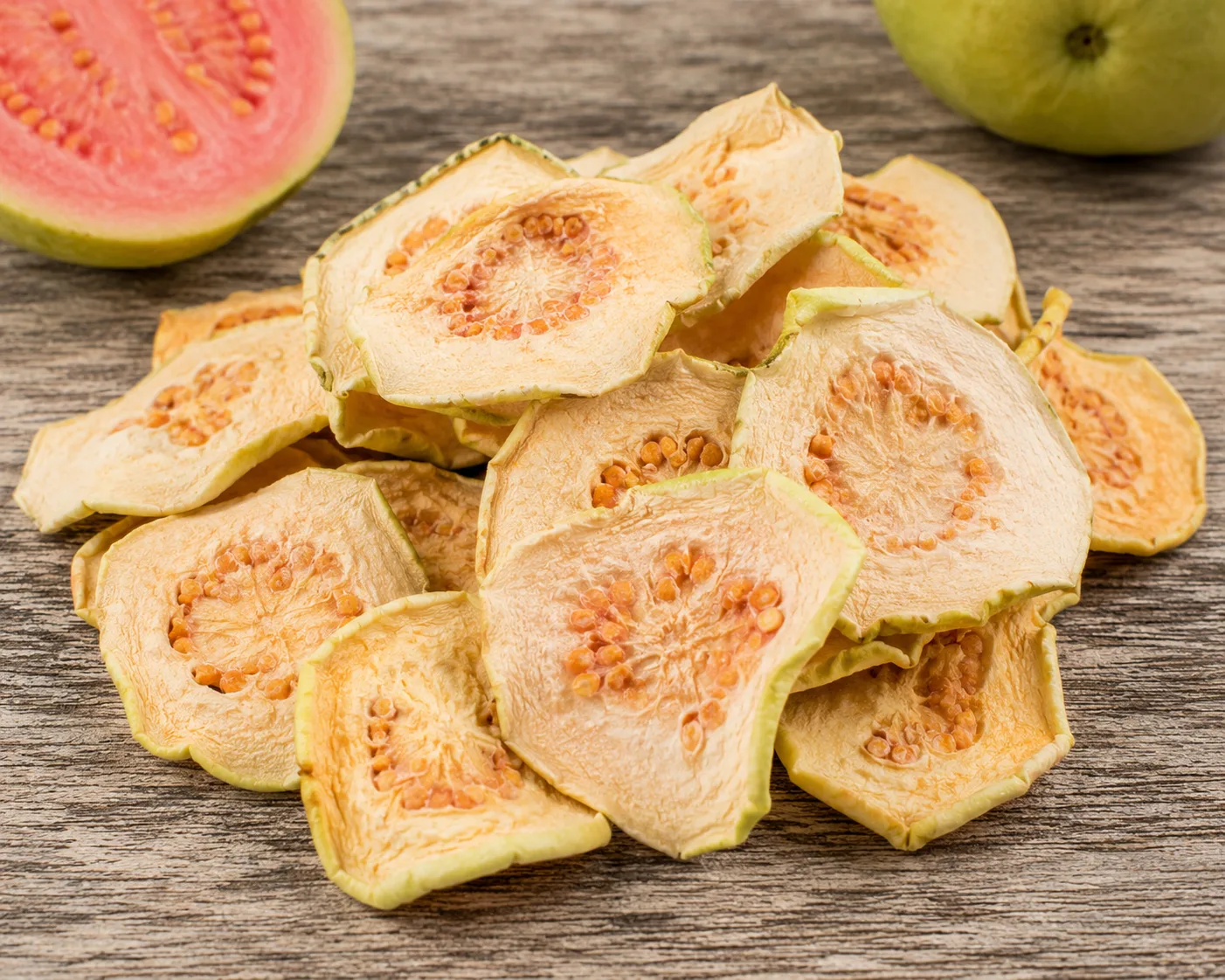
Depending on their capabilities, a dried fruit company may supply:
Raisins
Dates
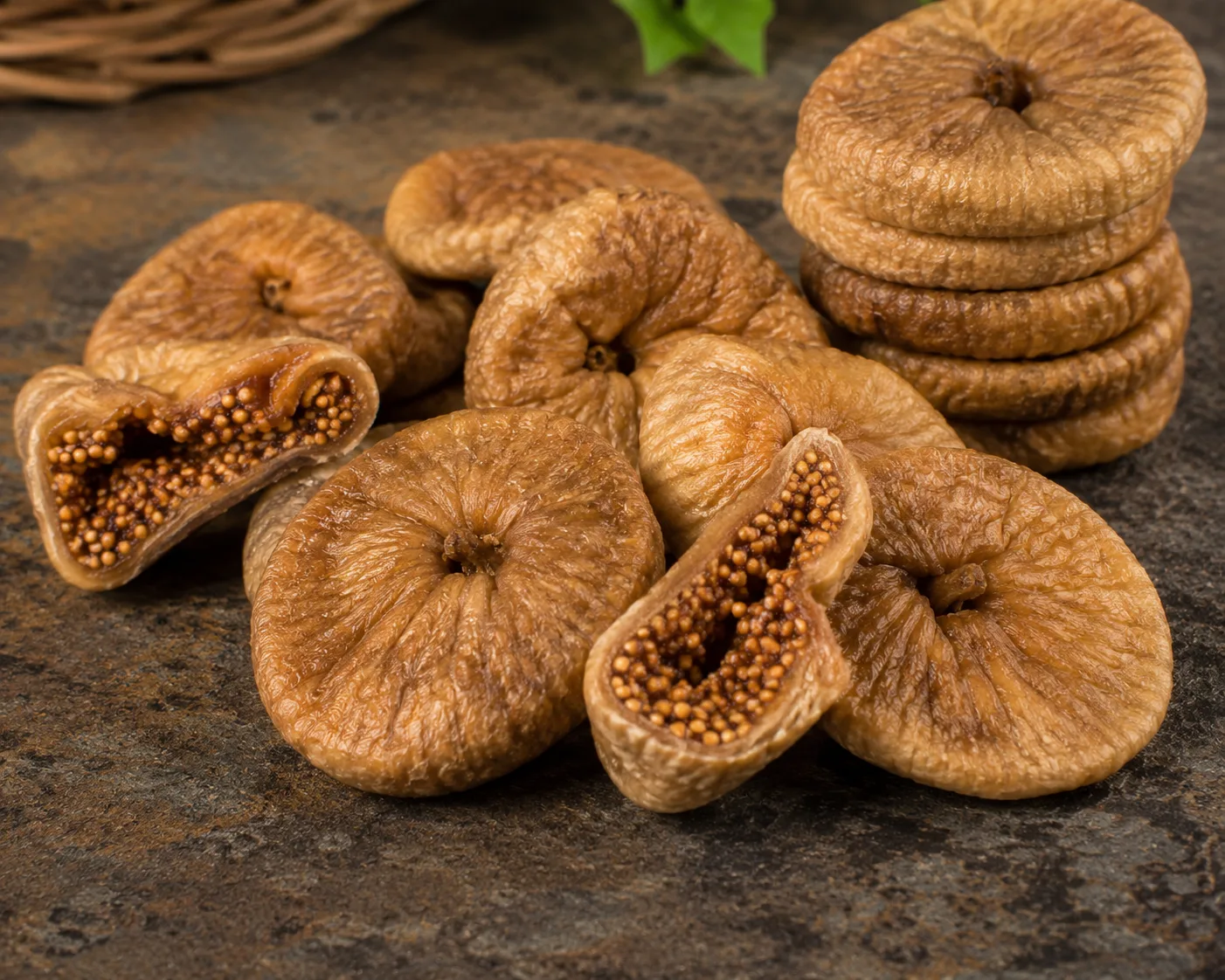
Dried figs
Dried apricots
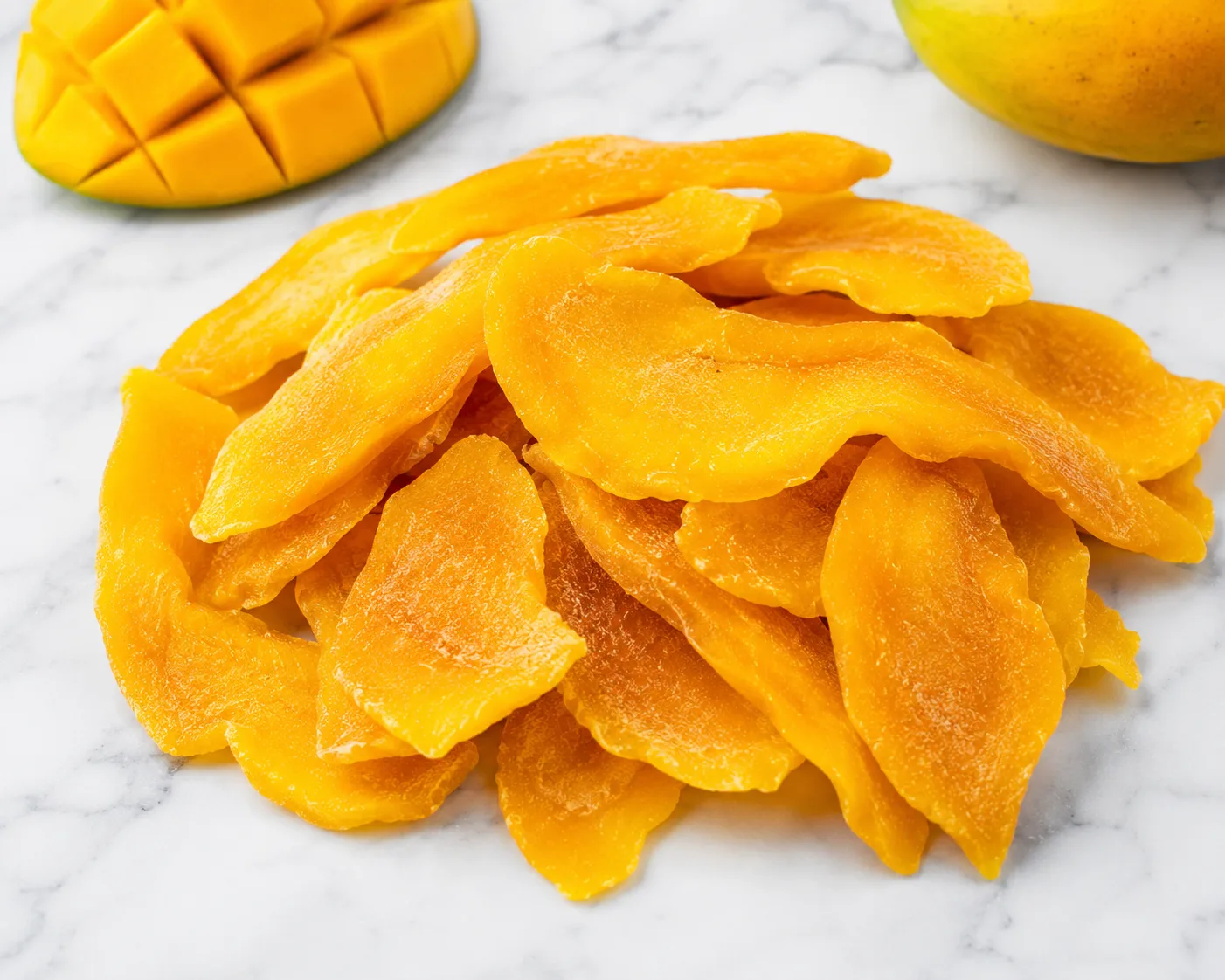
Dried mango
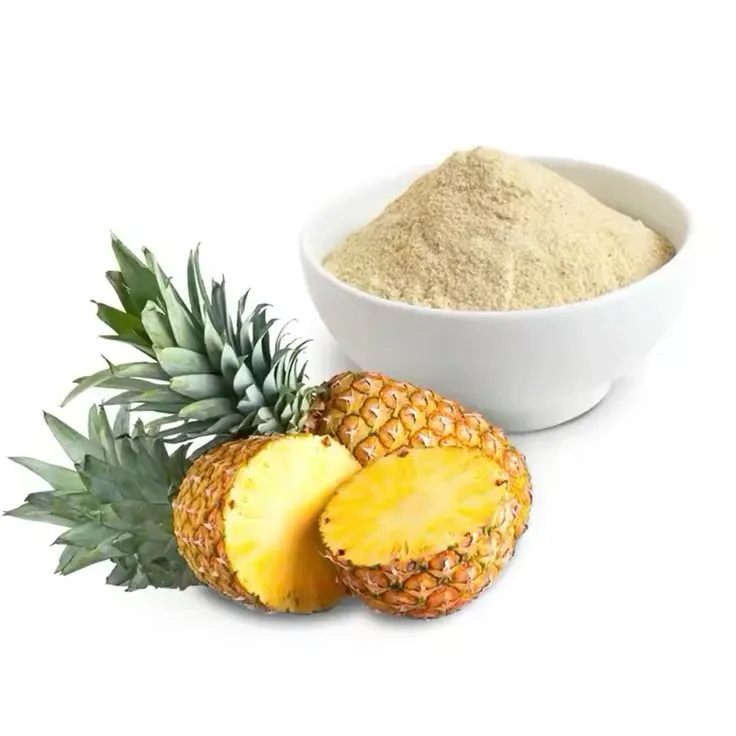
Dried pineapple
Dried banana
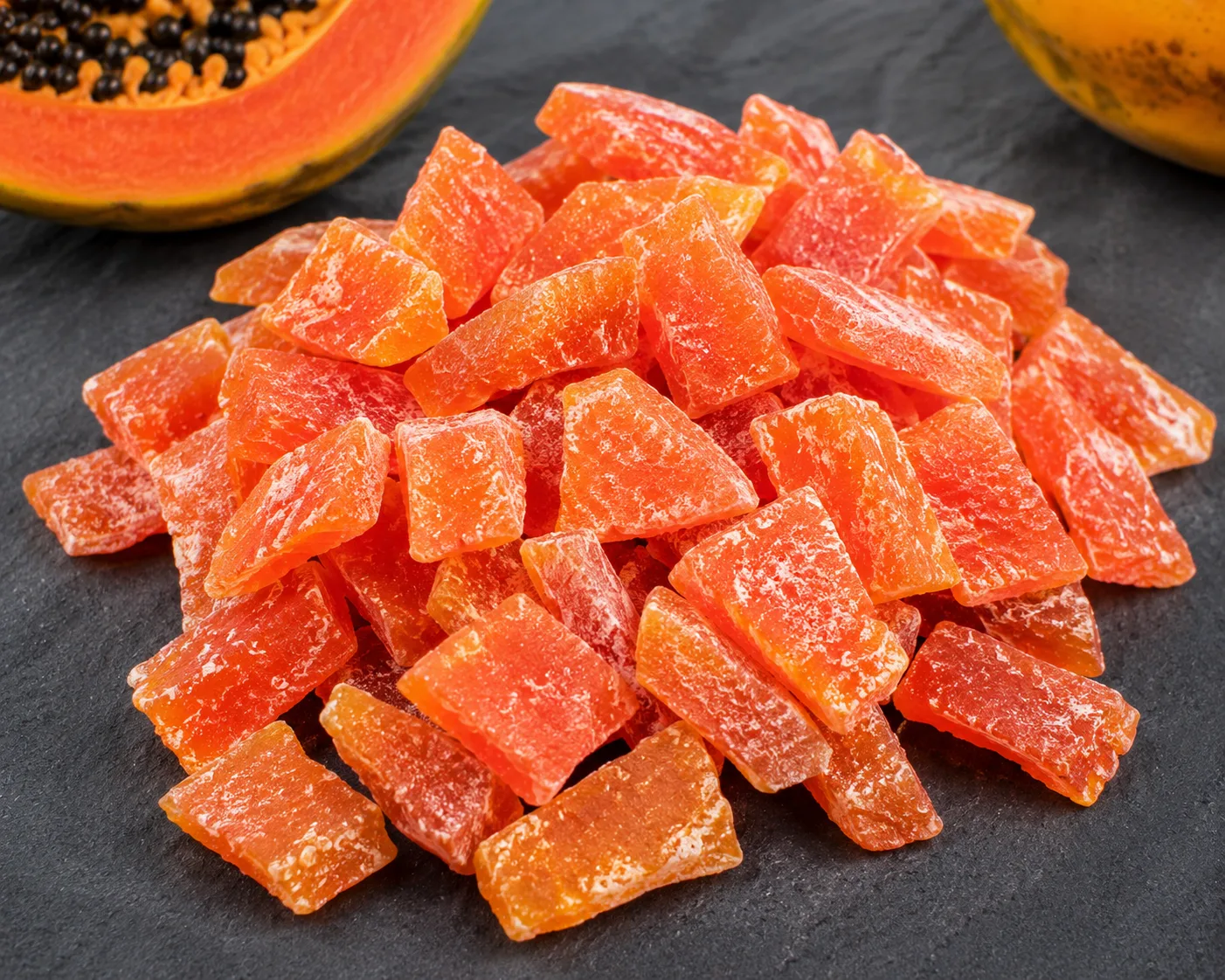
Dried papaya
Dried coconut
Dried berries
Fruit powders
Dehydrated fruit ingredients
Being able to purchase multiple products from one supplier can reduce administrative and logistics complexity.
6. Reliable Bulk Supply
A supplier may offer excellent samples but struggle to maintain quality at commercial volumes.
Before selecting a supplier, ask about:
Production capacity
Monthly availability
Minimum order quantity
Lead times
Seasonal availability
Inventory management
Recurring order capabilities
This is particularly important if your business is planning to scale.
7. Appropriate Packaging
Packaging plays an important role in protecting dried fruits during storage and transportation.
Depending on the product and buyer requirements, suppliers may offer:
Food-grade bags
Poly-lined bags
Aluminium foil liners
Fibre drums
Corrugated cartons
Vacuum packaging
Palletized export shipments
Customized packaging
The right packaging depends on the product, destination, storage period, and transportation method.
8. Export Experience
For international buyers, a supplier's export experience can be just as important as its product quality.
Experienced exporters understand requirements related to:
Commercial invoices
Packing lists
Certificates of Origin
Phytosanitary certificates where applicable
Certificates of Analysis
Export packaging
Customs documentation
International freight
This can significantly simplify international procurement.
Best Dried Fruit Company vs Best Dried Fruit Supplier
These terms can mean different things.
Best Dried Fruit Brand
Usually refers to a consumer-facing company selling packaged products.
Best Dried Fruit Supplier
Usually refers to a B2B business supplying ingredients or products in commercial quantities.
For businesses searching for wholesale dried fruits, the second category is generally more relevant.
A manufacturer shouldn't necessarily choose a consumer brand simply because it is popular in supermarkets. Its requirements are very different.
What About the "Best Brand of Dried Fruit"?
There is no universally recognized best dried fruit brand.
Consumer preferences differ based on:
Product quality
Price
Origin
Organic status
Ingredients
Added sugar
Packaging
Availability
For B2B buyers, however, brand recognition is usually less important than supplier capability and product specifications.
Which Company Has the Best Dry Fruits?
The answer depends on what "best" means to the buyer.
For example:
A company that is ideal for one buyer may not be suitable for another.
How to Compare Dried Fruit Companies
Rather than choosing a supplier based on its website or marketing claims, create a simple supplier comparison.
The exact scoring will depend on your business requirements.
The purpose is to compare suppliers using the same criteria, rather than choosing based on price alone.
Questions to Ask Before Choosing a Dried Fruit Supplier
Before placing a commercial order, ask:
Product Questions
What varieties do you supply?
What grades are available?
What are the moisture specifications?
Are products sweetened or unsweetened?
What cut sizes are available?
Quality Questions
What certifications do you maintain?
Can you provide a Certificate of Analysis?
What laboratory testing is performed?
How is batch traceability maintained?
Commercial Questions
What is the MOQ?
What are your bulk prices?
Can you support recurring orders?
What are your lead times?
Export Questions
Which countries do you export to?
What documentation can you provide?
What packaging options are available?
Which Incoterms do you support?
Why Businesses Choose Damodarr
At Damodarr, we believe a good dried fruit supplier should be evaluated on more than price.
Our focus is on providing businesses with dependable dried and dehydrated fruit sourcing solutions supported by quality-focused processing and export capabilities.
We work with:
Food manufacturers
Bakeries
Snack manufacturers
Cereal companies
Distributors
Importers
Retailers
Private-label businesses
Ingredient suppliers
Our sourcing solutions can include:
Bulk dried and dehydrated fruits
Food-grade packaging
Product-specific specifications
Quality documentation
Certificates of Analysis
Export documentation
International shipping support
Recurring bulk supply
For businesses looking for an Indian supplier, Damodarr provides a practical sourcing option for a broad range of dried and dehydrated fruit ingredients.
Why Buying Directly from a Supplier Can Help Businesses
Direct B2B sourcing can provide several advantages.
Better Communication
You can communicate directly about specifications and quality requirements.
Greater Product Control
Buyers can establish precise product specifications.
Commercial Flexibility
Larger or recurring orders may provide opportunities for negotiated commercial terms.
Better Supply Planning
Long-term supplier relationships can make inventory planning easier.
Reduced Intermediaries
Direct sourcing can simplify the supply chain in certain circumstances.
However, buyers should still evaluate the supplier's production capabilities, documentation, logistics, and quality systems before committing.
Common Mistakes When Choosing a Dried Fruit Company
Choosing Based Only on Reviews
Reviews can be useful, but they don't necessarily demonstrate suitability for commercial sourcing.
Choosing Only on Price
The cheapest supplier may not provide the best overall value.
Not Requesting Samples
Always test products before placing large commercial orders.
Ignoring Certifications
Verify relevant certifications rather than relying solely on claims.
Not Checking Supply Capacity
A supplier should be able to support your expected volumes.
Failing to Clarify Specifications
Agree on product specifications before placing an order.
Conclusion
So, which company is good for dry fruits?
There isn't one supplier that is automatically the best for every business. The right company depends on your product requirements, purchasing volume, quality standards, destination market, packaging needs, and budget.
For B2B buyers, the best dried fruit supplier is one that combines:
Consistent quality
Reliable supply
Appropriate certifications
Laboratory testing
Competitive commercial terms
Suitable packaging
Export experience
Responsive customer support
At Damodarr, we aim to provide exactly this combination for businesses sourcing dried and dehydrated fruit ingredients from India.
Whether you're a manufacturer, importer, distributor, retailer, or private-label business, choosing a supplier based on measurable capabilities rather than marketing claims can help you build a stronger and more reliable supply chain.
Frequently Asked Questions
Which company is good for dry fruits?
The right company depends on your requirements. For commercial buyers, evaluate product quality, certifications, testing, production capacity, packaging, pricing, and export experience before selecting a supplier.
Which company has the best dry fruits?
There is no universally recognized best company. The appropriate supplier depends on the specific dried fruit, quality grade, application, quantity, and destination market.
What is the best brand of dried fruit?
There is no single best dried fruit brand for everyone. Consumer preferences vary based on ingredients, quality, price, origin, and product type.
Which company is best for wholesale dried fruits?
For wholesale buyers, the best supplier is one that can consistently meet product specifications, provide appropriate documentation, handle required volumes, and offer reliable logistics.
What should I ask a dried fruit supplier before buying?
Ask about product specifications, MOQ, pricing, certifications, laboratory testing, COAs, packaging, lead times, production capacity, and export documentation.
Why choose Damodarr for dried fruits?
Damodarr provides bulk dried and dehydrated fruit sourcing solutions with a focus on consistent quality, product documentation, flexible packaging, export support, and reliable international supply.