
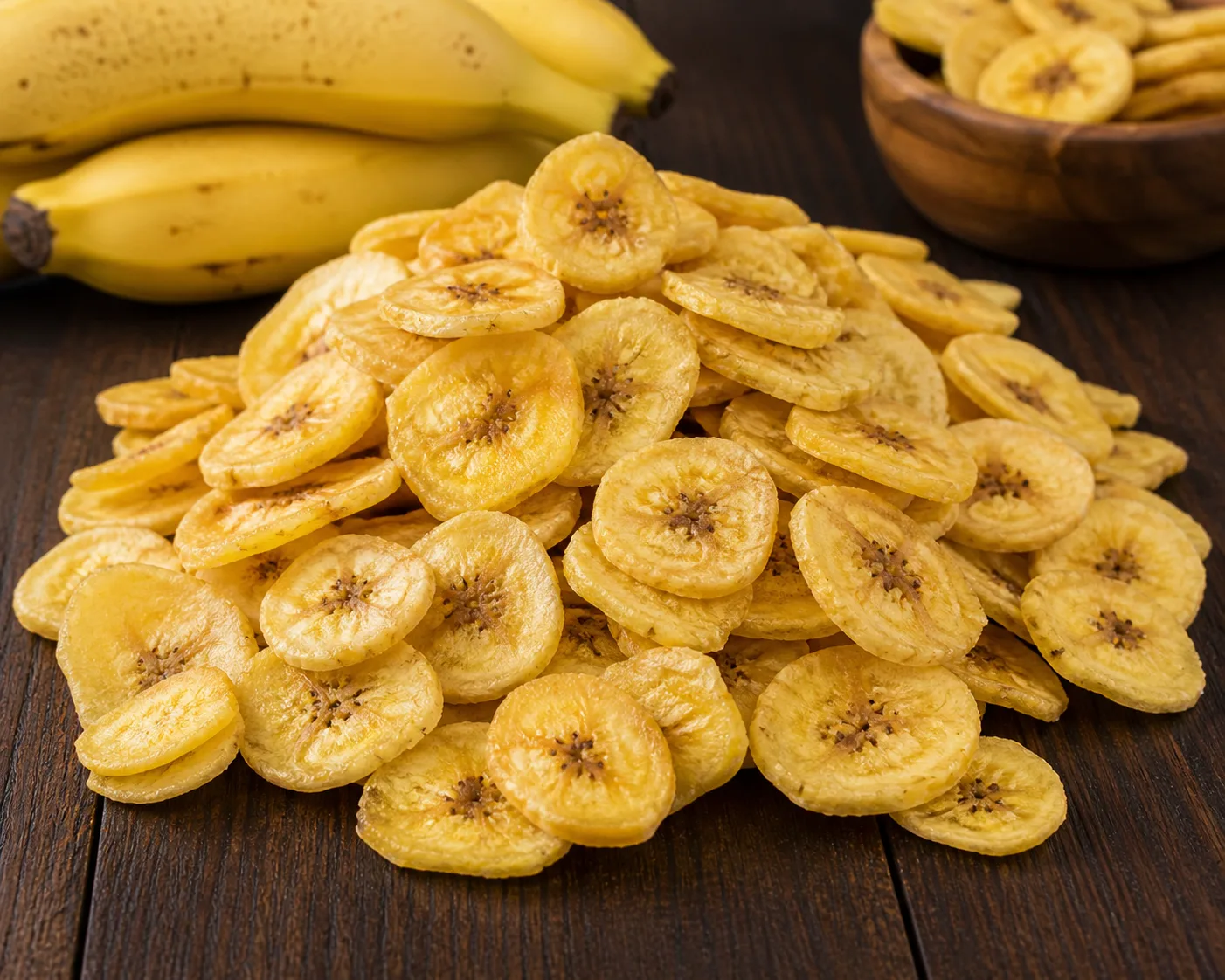
Dried fruits have a long-standing place in food traditions across many Muslim communities. From dates and raisins to figs and dried apricots, these foods are commonly enjoyed during Ramadan, religious occasions, family gatherings, and everyday meals.
But why do Muslims eat dry fruits?
There isn't one universal answer. Muslim communities are diverse, and food traditions differ considerably between countries and cultures. However, dates have a particularly important place in Islamic tradition, while other dried fruits are commonly consumed because they are convenient, naturally sweet, nutritious, and culturally familiar.
Understanding this distinction is important. Not every Muslim eats the same dried fruits, and not every dried-fruit tradition is specifically religious.
This article explores the cultural, historical, and practical reasons dried fruits—especially dates—are associated with Muslim communities.
Why Are Dates So Important in Islam?
Among all dried fruits, dates have a particularly strong connection with Islamic tradition.
Dates are mentioned in the Quran and have an important place in the traditions associated with the Prophet Muhammad.
One of the best-known practices involves breaking the fast with dates.
This is why dates are especially prominent during Ramadan, when Muslims fast from dawn until sunset.
Why Do Muslims Eat Dates During Ramadan?
During Ramadan, Muslims traditionally abstain from food and drink during daylight hours.
At sunset, the daily fast is broken with Iftar.
Many Muslims begin Iftar with dates and water, following an established religious tradition.
Dates are particularly practical for this purpose because they are:
Naturally sweet
Easy to store
Portable
Convenient to eat
Energy-dense
Available throughout the year
However, it is important not to reduce the tradition to nutrition alone.
The religious and cultural significance of dates is a major reason they are associated with breaking the fast.
Are Dates the Only Dry Fruit Muslims Eat?
No.
Muslim communities consume many different dried fruits depending on geography, culture, cuisine, and personal preference.
Common examples include:
Dates
Raisins
Figs
Dried apricots
Prunes
Dried cranberries
Dried mango
Dried berries
The popularity of each fruit varies considerably between regions.
For example, dried fruits commonly consumed in South Asia may differ from those traditionally found in Middle Eastern, North African, Central Asian, or Southeast Asian cuisines.
Dried Fruits During Ramadan
Ramadan is one of the most important periods for dried-fruit consumption in many Muslim-majority markets.
Dried fruits can appear in:
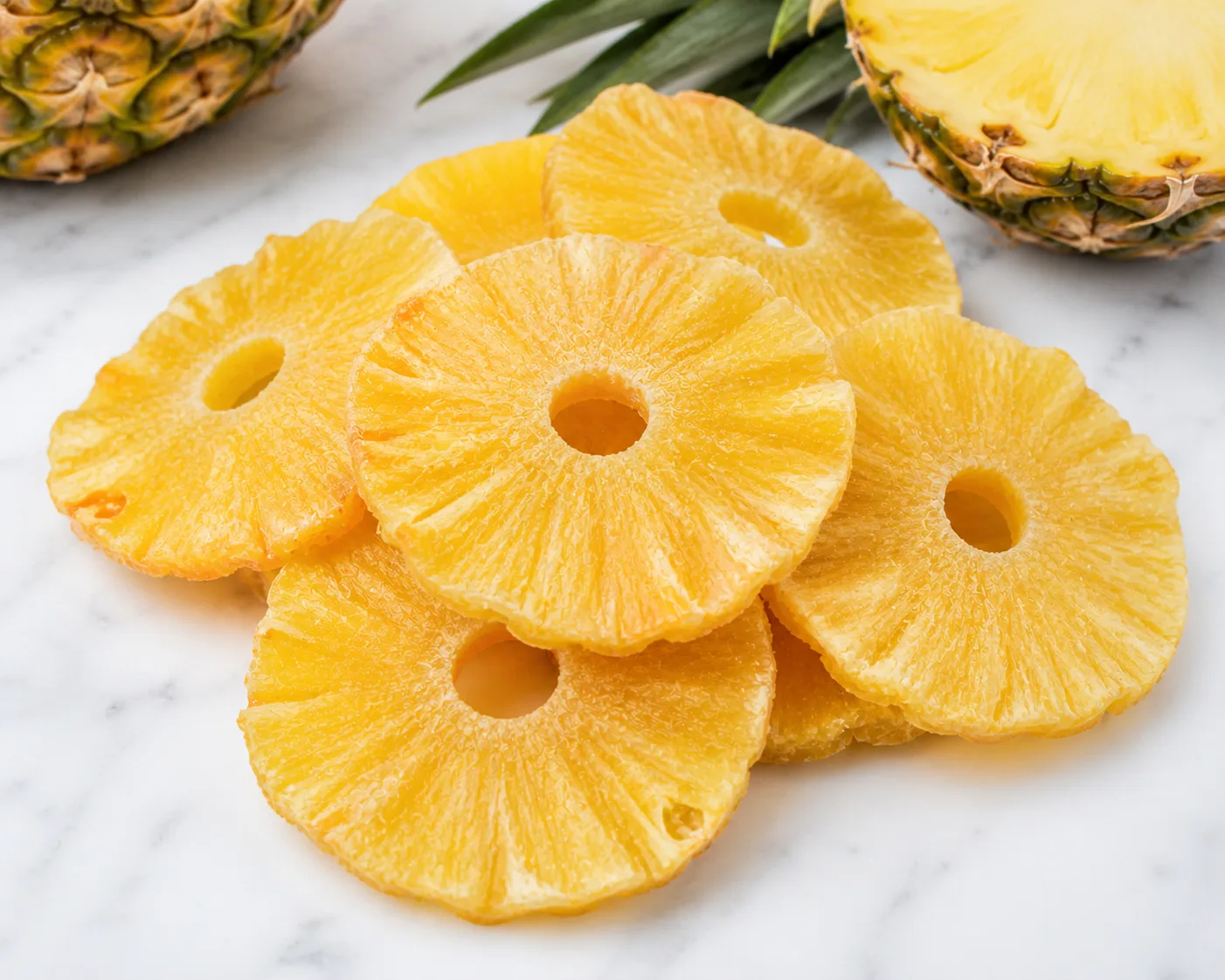
Iftar meals
Desserts
Fruit and nut mixes
Traditional sweets
Breakfast foods
Gift boxes
Hospitality trays
Dates remain particularly prominent, but other dried fruits may be incorporated into meals according to local traditions.
Why Are Dried Fruits Convenient During Fasting?
Dried fruits offer several practical characteristics that make them suitable for food preparation during Ramadan.
Long Shelf Life
Compared with fresh fruit, properly dried products generally have a longer shelf life under suitable storage conditions.
This makes them convenient for households and businesses preparing food supplies ahead of Ramadan.
Easy Storage
Dried fruits require less space than their fresh counterparts because much of their water has been removed.
Easy to Serve
Dried fruits can be consumed directly or incorporated into:
Desserts
Porridge
Cereals
Baked goods
Smoothies
Fruit mixes
Natural Sweetness
Many dried fruits have concentrated natural sweetness, making them popular ingredients in traditional desserts and snacks.
The Nutritional Side of Dried Fruits
Dried fruits contain many of the nutrients naturally present in the original fruit, although drying changes the food's composition by removing water.
Depending on the fruit, dried fruits can provide:
Dietary fibre
Naturally occurring carbohydrates
Potassium
Iron
Other minerals
Various plant compounds
However, because water is removed, sugars and calories become more concentrated by weight.
This is why portion size matters.
Dried fruit should therefore be viewed as part of an overall balanced diet rather than automatically being considered a healthier alternative to every other food.
Dried Fruits and Muslim Hospitality
Food plays an important role in hospitality across many Muslim cultures.
Dried fruits and nuts are often served to guests alongside:
Tea
Coffee
Traditional sweets
Desserts
They may also be included in gift baskets and festive food assortments.
The exact traditions differ by country and community, but dried fruits can represent hospitality, generosity, and celebration.
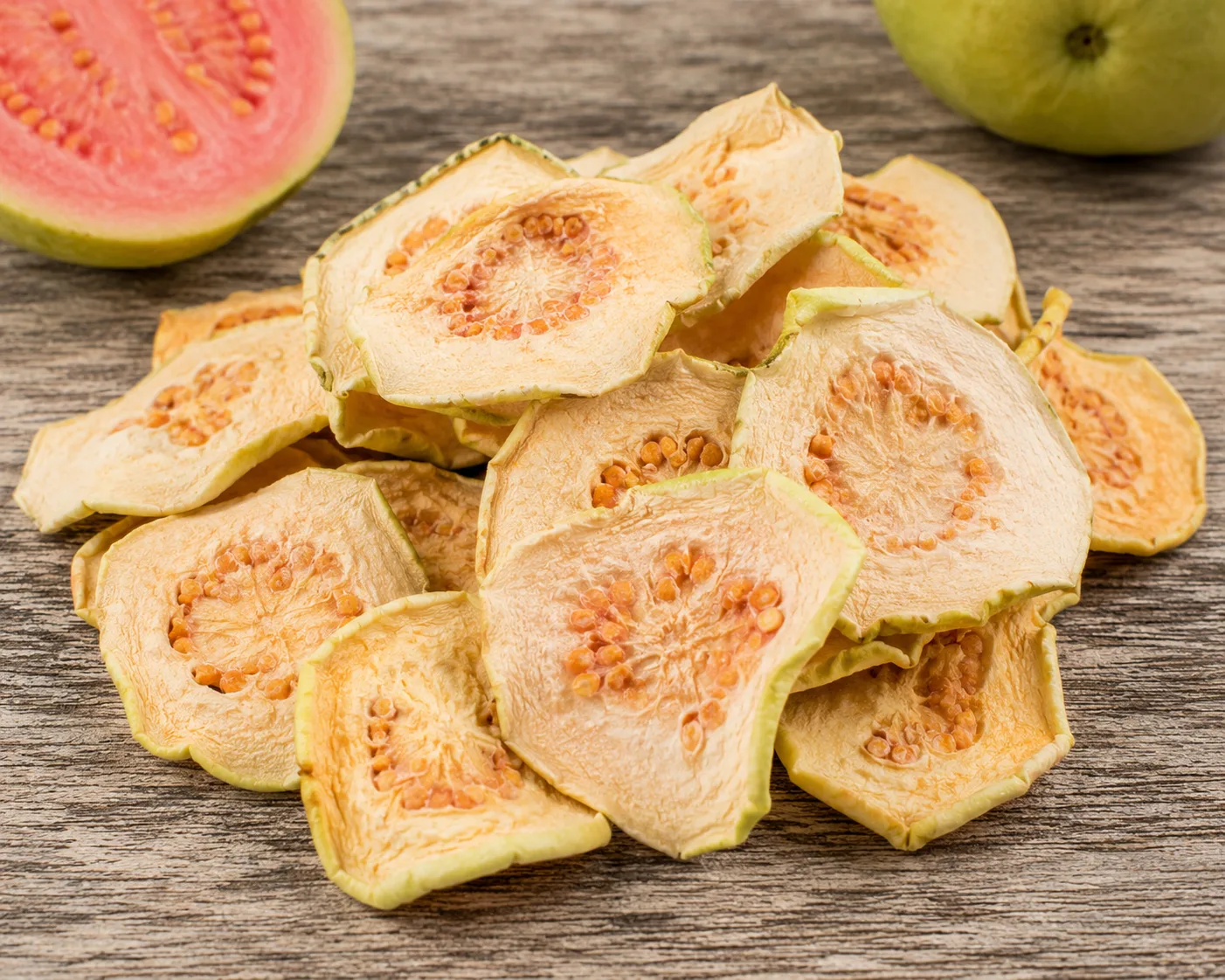
Dried Fruits During Eid
Eid celebrations vary significantly across Muslim communities, but food naturally plays an important role in many celebrations.
Depending on the region, dried fruits may be used in:
Desserts
Sweet dishes
Gift assortments
Nut and fruit mixes
Traditional baked goods
Dates remain particularly common, while other dried fruits depend on regional culinary traditions.
Dried Fruits in Different Muslim-Majority Regions
There is no single "Muslim diet."
Food traditions differ across:
Middle East
Dates, figs, raisins, and dried apricots are commonly associated with regional cuisines.
South Asia
Dates, raisins, figs, apricots, and other dried fruits may be used in desserts, rice dishes, sweets, and festive foods.
North Africa
Dates and raisins are important ingredients in various traditional dishes and desserts.
Central Asia
Dried fruits and nuts are incorporated into traditional foods, hospitality, and celebrations.
Southeast Asia
Dates become particularly prominent during Ramadan, while other dried fruits may be used according to local cuisine.
This regional diversity is important when discussing dried fruits and Muslim consumers.
Why Dates Are Important for Businesses During Ramadan
Ramadan creates significant seasonal demand for dates and other food products in many markets.
Businesses serving Muslim-majority or Muslim consumer markets may source:
Dates
Raisins
Dried figs
Dried apricots
Fruit and nut mixes
Dried mango
Other dried fruit ingredients
Demand can come from:
Supermarkets
Food distributors
Restaurants
Bakeries
Gift retailers
Online stores
Food manufacturers
For businesses, proper inventory planning before Ramadan can be particularly important.
Sourcing Dried Fruits for Ramadan Markets
Businesses sourcing dried fruits for Ramadan should consider:
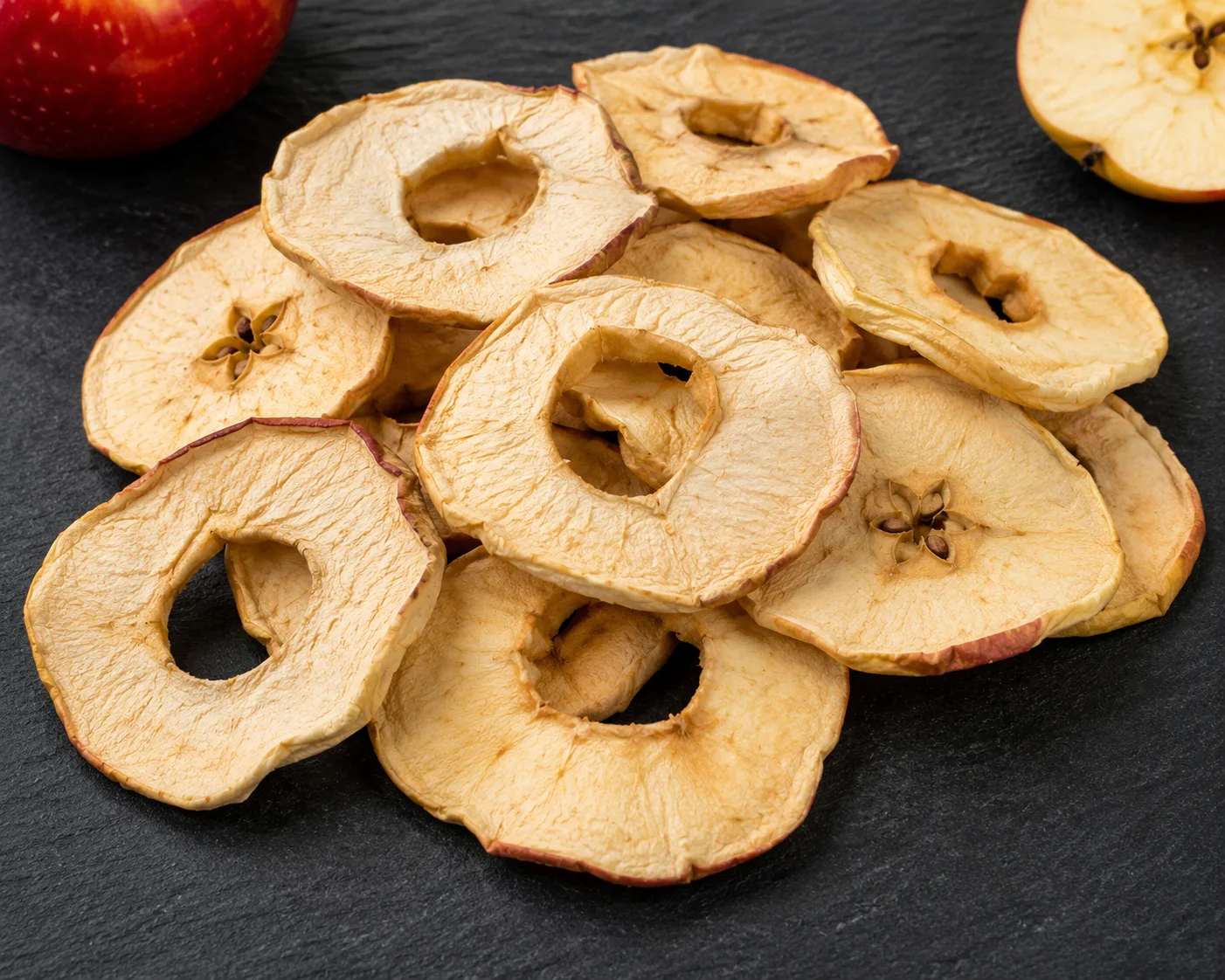
Product Quality
Check appearance, texture, moisture, purity, and overall specifications.
Packaging
Retail customers may require consumer-ready packaging, while wholesalers often require bulk food-grade packaging.
Shelf Life
Products should have sufficient remaining shelf life for the intended sales period.
Supply Capacity
Seasonal demand can increase purchasing requirements, so suppliers should be able to support the expected volume.
Documentation
International buyers may require Certificates of Analysis, Certificates of Origin, phytosanitary documentation where applicable, and other destination-specific paperwork.
Sourcing Dried Fruits from Damodarr
Damodarr supplies dried and dehydrated fruit ingredients for international B2B customers, including manufacturers, wholesalers, distributors, and food businesses.
Our sourcing solutions can support applications involving:
Dates
Dried fruits
Dehydrated fruits
Food ingredients
Snack manufacturing
Bakery products
Confectionery
Food distribution
For commercial buyers preparing for seasonal demand such as Ramadan, dependable sourcing, consistent specifications, appropriate packaging, and export documentation are important considerations.
Damodarr works with businesses looking for reliable bulk fruit ingredient sourcing from India.
Are Dried Fruits a Religious Requirement?
No.
This distinction is important.
While dates have a strong connection to Islamic tradition, there is no general religious requirement for Muslims to consume every type of dried fruit.
Food choices vary according to:
Country
Culture
Family traditions
Personal preference
Availability
Dietary requirements
Therefore, it is more accurate to say that certain dried fruits—especially dates—have strong cultural and religious associations rather than suggesting that all dried fruits are religiously required.
Common Misconceptions
"All Muslims Eat the Same Dried Fruits"
False.
Muslim communities are geographically and culturally diverse.
"All Dried Fruits Are Religious Foods"
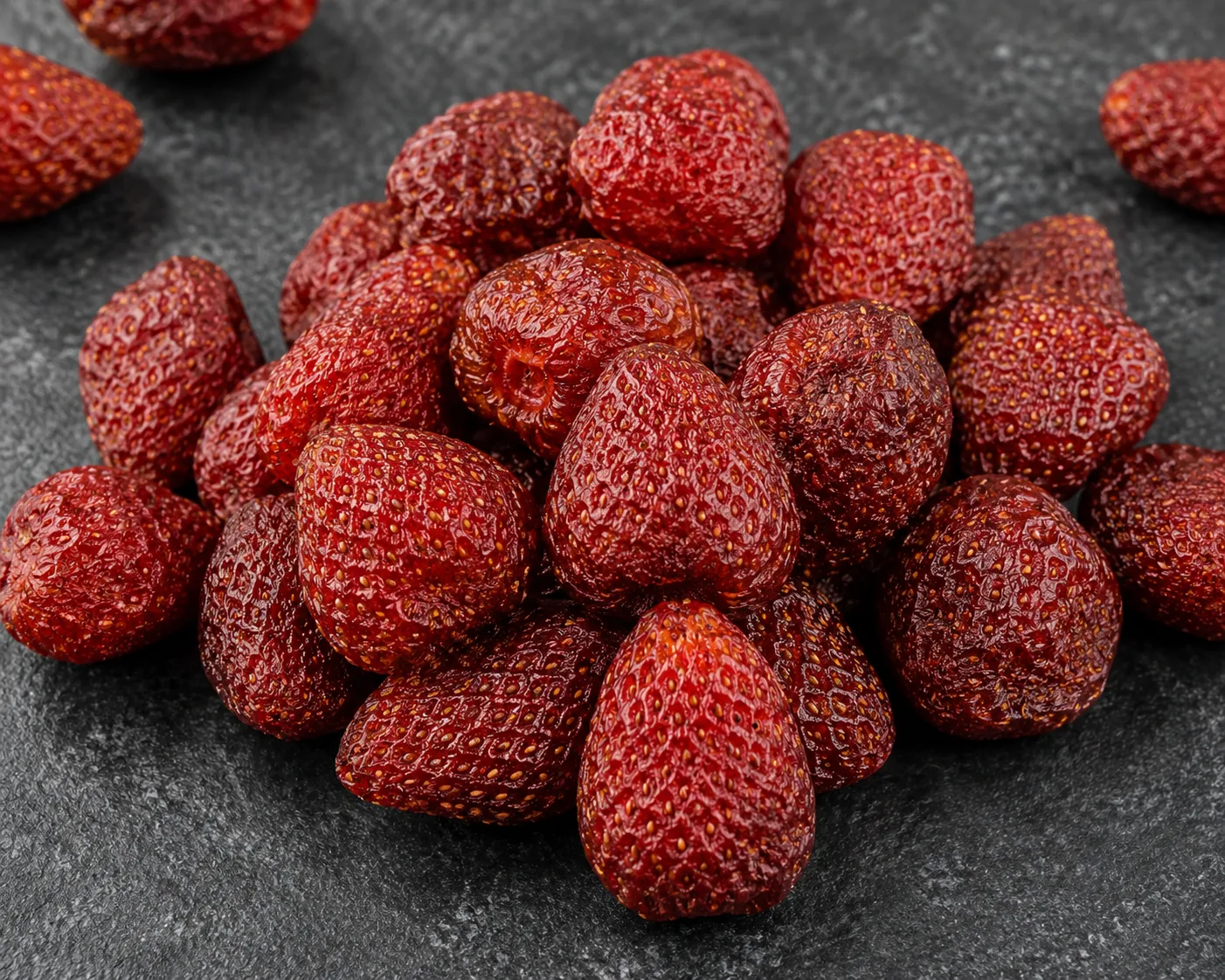
Not necessarily.
Dates have a particularly strong religious association, while many other dried fruits are primarily cultural or culinary foods.
"Dried Fruits Are Always Healthier Than Fresh Fruits"
Not automatically.
Drying removes water and concentrates naturally occurring sugars and calories.
"Muslims Only Eat Dates During Ramadan"
No.
Dates are consumed throughout the year, although Ramadan significantly increases their cultural visibility and seasonal demand in many markets.
Conclusion
So, why do Muslims eat dry fruits?
There is no single answer.
For dates in particular, the reason is strongly connected to Islamic tradition, especially the practice of breaking the Ramadan fast with dates. Their natural sweetness, convenience, and storage characteristics also make them practical foods during fasting periods.
Other dried fruits—including raisins, figs, apricots, and dried berries—are consumed according to regional cuisines, cultural traditions, personal preferences, and availability.
For businesses serving Muslim markets, understanding these cultural distinctions is valuable when planning products, inventory, packaging, and seasonal sourcing.
For international B2B buyers looking for dried and dehydrated fruit ingredients, Damodarr provides bulk sourcing solutions supported by quality-focused processing, commercial packaging, and export capabilities.
Frequently Asked Questions
Why do Muslims eat dates?
Dates have a significant place in Islamic tradition and are traditionally associated with breaking the fast during Ramadan. They are also widely consumed throughout the year.
Why are dried fruits popular during Ramadan?
Dried fruits are convenient to store, easy to serve, naturally sweet, and widely incorporated into traditional meals and desserts. Dates are particularly important during Ramadan.
Do Muslims have to eat dates during Ramadan?
No. Dates are strongly associated with the tradition of breaking the fast, but consuming dates is not a universal requirement for Muslims.
What dried fruits are commonly eaten by Muslims?
Dates, raisins, figs, dried apricots, prunes, and other dried fruits are consumed in different Muslim communities. Preferences vary significantly by region and culture.
Are dried fruits healthy during fasting?
Dried fruits can provide fibre and various nutrients, but they are also concentrated sources of natural sugars and calories. Portion size and individual dietary needs should be considered.
Why are dates important during Ramadan?
Dates are associated with the traditional practice of breaking the fast and are convenient to consume at Iftar. Their cultural and religious significance is particularly strong during Ramadan.