

Introduction
Flax seeds, also known as linseeds, are widely used in food processing, bakery products, breakfast cereals, nutrition bars and plant-based food formulations. For food manufacturers, ingredient distributors and importers, choosing a reliable flax seeds supplier in India is an important step toward maintaining consistent product quality and dependable procurement.
Commercial buyers need to evaluate more than the price per kilogram. Seed quality, product form, packaging, storage conditions, documentation and supply capacity all influence the purchasing decision.
India is a sourcing option for businesses looking to procure agricultural and plant-based ingredients. Buyers searching for a bulk flax seeds supplier should define their product specifications and quantity requirements before comparing quotations.
This guide explains how to source flax seeds for commercial applications, what to check before purchasing and how to evaluate suppliers for ongoing business requirements.
What Are Flax Seeds?
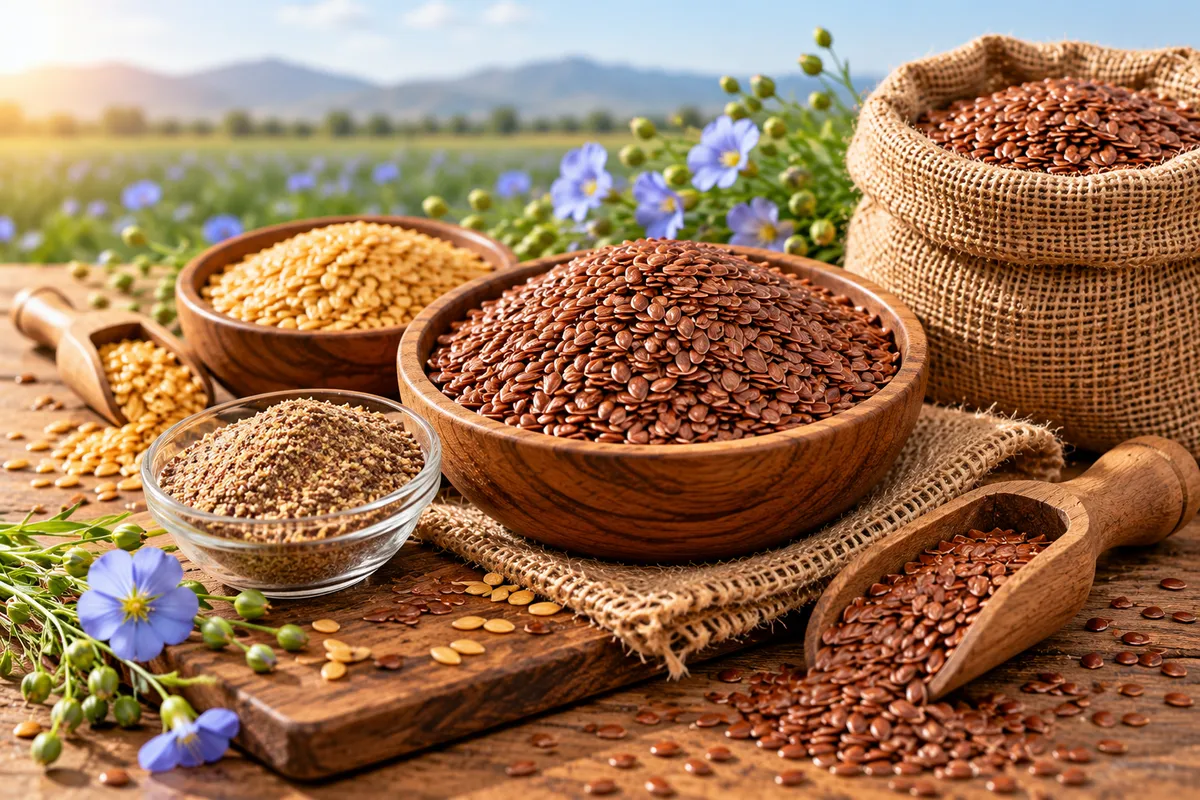
Flax seeds, also called linseeds, come from the plant Linum usitatissimum. They are available in different colours, commonly brown and golden, depending on the variety and source.
Flax seeds are valued as a plant-based food ingredient because they contain dietary fibre, fats including alpha-linolenic acid (ALA), and other naturally occurring nutrients. Their nutritional composition and suitability depend on the product and how it is processed.
Businesses can explore the Flax Seeds (Linseed) product range to review available product information and commercial sourcing details.
Common Commercial Applications of Flax Seeds
1. Bakery and Flour Products
Whole or milled flax seeds may be incorporated into breads, crackers, biscuits and selected flour-based products. Manufacturers should test the ingredient in their own recipes to evaluate texture, flavour and processing performance.
2. Breakfast Cereals and Nutrition Bars
Flax seeds can be used in cereal mixes, granola and nutrition bars. Product consistency and suitable storage conditions are important when purchasing ingredients for repeated production batches.
3. Plant-Based Food Formulations
Food developers may use flax seeds or milled flaxseed in selected plant-based recipes. Depending on the formulation, buyers may need to assess water absorption, texture and the behaviour of the ingredient during processing.
4. Food Ingredient Distribution
Importers, wholesalers and ingredient distributors may purchase flax seeds for supply to manufacturers, food businesses and retail packers. These buyers often need consistent specifications, suitable packaging and clear commercial terms.
5. Seed Blends and Dry Mixes
Flax seeds may be included in seed blends and selected dry food mixes. Buyers should establish specifications for appearance, cleanliness, product form and intended use before approving a supplier.
How to Choose a Reliable Flax Seeds Supplier in India
1. Confirm the Required Product Form
Before requesting a quotation, specify whether you require whole seeds or milled flaxseed. These forms can have different storage, handling and processing considerations.
For example, whole seeds may suit seed blends and bakery toppings, while milled flaxseed may be preferred for formulations requiring a finer ingredient.
Confirm product availability, grade and any processing requirements directly with the supplier.
2. Check Quality Specifications
A written product specification helps buyers compare suppliers on an equivalent basis.
Depending on the intended application, consider checking:
Seed colour and appearance
Purity and foreign matter limits
Moisture content
Damaged seeds and visible defects
Odour and signs of deterioration
Relevant microbiological criteria
Applicable pesticide residue requirements
Packaging and recommended storage conditions
The required limits should be agreed upon with the supplier and documented before commercial approval.
3. Request Samples and Supporting Documents
A sample allows your technical or procurement team to assess whether the ingredient meets your needs before a large order is placed.
Review the appearance, aroma, cleanliness and suitability for the intended recipe or processing method. Where relevant, request a product specification sheet and a batch-specific certificate of analysis (COA).
Additional tests or documents may be necessary depending on your application and destination market. Verify the availability and scope of the supplier's documentation rather than assuming that every supplier provides the same certificates.
4. Compare Bulk Pricing and Total Costs
The lowest quoted price may not always represent the best overall procurement option.
When comparing bulk flax seeds suppliers, evaluate:
Price per kilogram or metric tonne
Product grade and specifications
Cleaning or processing requirements
Packaging and handling charges
Inland transport and freight
Insurance and applicable taxes or duties
Inspection and testing costs
Payment terms and delivery responsibilities
For international purchases, compare quotations using equivalent shipping terms and clearly defined responsibilities.
5. Evaluate Supply Reliability
Manufacturers and distributors often require repeat deliveries to support their production schedules.
Before confirming an order, discuss available quantities, minimum order requirements, dispatch timelines, packaging options and the process for repeat purchases.
If you plan to source regularly, agree on product specifications and acceptance criteria in advance. This can help both parties maintain clearer expectations across subsequent orders.
Whole Flax Seeds vs Milled Flaxseed
Choosing between whole and milled flaxseed depends on the intended product and manufacturing process.
Whole Flax Seeds
Whole flax seeds are suitable for applications where the visible seed form is required, including certain bakery products, seed blends and dry mixes.
Buyers should assess cleanliness, seed appearance, moisture limits and packaging conditions.
Milled Flaxseed
Milled flaxseed is used in applications that require a ground ingredient. Milling changes the physical form of the seed and can make the product more sensitive to oxidation and quality deterioration during storage.
Buyers should confirm particle size, freshness requirements, packaging and shelf-life information with the supplier.
Which Form Should You Buy?
The correct choice depends on the product formulation, processing equipment, desired texture and storage requirements.
For commercial procurement, specify the required form in your request for quotation rather than asking only for a generic flaxseed price.
Packaging and Storage Considerations
Packaging can influence how well flax seeds maintain their quality during transportation and storage.
When evaluating a supplier, confirm the available pack sizes, packaging material, sealing method and suitability for the planned distribution channel.
Important considerations include:
Protection against moisture and contamination
Packaging strength for handling and transport
Suitable storage conditions
Product identification and batch traceability
Shelf-life information and date marking
Requirements for bulk export or retail repacking
Milled flaxseed may require additional attention to oxygen exposure because grinding increases the surface area of the product. Follow the supplier's storage recommendations and verify the shelf life for the specific grade being purchased.
What Importers Should Know About Sourcing Flax Seeds
International buyers should review both the product specifications and the commercial requirements for importing agricultural ingredients.
Before confirming a shipment, discuss:
Product origin and agreed specifications
Quantity, packaging and shipment schedule
Commercial invoice and packing list
Certificate of origin, where required
Applicable inspection or phytosanitary requirements
Destination-country food safety and import rules
Shipping terms and allocation of transport responsibilities
Requirements vary by country, product classification and intended use. Buyers should verify the current rules with their customs broker or relevant authority before arranging shipment.
For broader ingredient sourcing, you can also read Damodarr Global's practical guide to dehydrated fruits and vegetables for food manufacturers.
Why Consider Damodarr Global for Ingredient Sourcing?
Damodarr Global serves B2B buyers interested in dried herbs, botanical ingredients, superfoods and dehydrated produce. Its website provides product information and sourcing details for commercial buyers.
Businesses interested in flax seeds can review the Flax Seeds (Linseed) product page for information about available forms and packaging options.
When contacting a supplier, provide the required quantity, product form, quality specifications, packaging preference and destination country. These details help clarify whether the available product and commercial terms match your requirements.
You can learn more about the business on the Damodarr Global website or contact the team for a bulk sourcing enquiry.
Questions to Ask Before Ordering Flax Seeds in Bulk
Before placing a commercial order, ask the supplier:
Are whole flax seeds, milled flaxseed or both available?
What product grades and quality specifications are offered?
Can a sample be evaluated before the bulk order?
Can the supplier provide a specification sheet and relevant COA?
What are the minimum order quantity and available packaging options?
What quality checks are performed before dispatch?
What storage conditions and shelf life apply to the selected product?
Which export documents are available for the destination market?
What are the estimated dispatch and shipping timelines?
Can repeat orders be supplied against agreed specifications?
These questions help procurement teams compare suppliers systematically and clarify important requirements before committing to a purchase.
Frequently Asked Questions
How do I find a flax seeds supplier in India?
Identify suppliers offering the required product form, then compare quality specifications, sample results, packaging, documentation, commercial terms and supply capacity. Confirm the agreed grade in writing before ordering.
What is the difference between flax seeds and linseeds?
Flax seeds and linseeds are two common names for seeds from the same plant, Linum usitatissimum. The term used may vary by market and commercial context.
Can flax seeds be purchased in bulk for food manufacturing?
Bulk purchasing may be available from suppliers serving commercial buyers. Confirm the minimum order quantity, product grade, packaging and delivery arrangements directly with the supplier.
Should I buy whole or milled flaxseed?
Whole seeds may suit products requiring visible seeds, while milled flaxseed may be better for formulations requiring a ground ingredient. Consider the recipe, processing method and storage requirements when deciding.
What should be included in a flaxseed quotation request?
Include the required product form, quantity, grade or specifications, packaging preference, destination and any testing or documentation requirements. This helps suppliers prepare a more relevant quotation.
Conclusion
Choosing a reliable flax seeds supplier in India requires careful evaluation of product specifications, sample quality, packaging, documentation, total procurement costs and supply reliability.
For food manufacturers, importers and distributors, clearly defining requirements before requesting quotations can improve supplier comparisons and support more consistent purchasing decisions.
If flax seeds are part of your ingredient sourcing plan, review the Flax Seeds (Linseed) product information and contact Damodarr Global to discuss your commercial requirements.